
Council member: Transit killing makes us confront broad issues about Charlotte safety | Opinion
It’s time to combine enforcement, prevention and accountability to keep Charlotte safe and competitive. Public safety in our city is a top priority, but too many citizens in our community don’t feel safe. As I have said many times, “If you don’t feel safe, then you are not.”
Far too many Charlotte residents share this concern — in Uptown, in their neighborhoods, in parking garages, in our public spaces like parks and schools, and increasingly, in our transit stations and lines. These are places that shape our daily lives and quality of life.
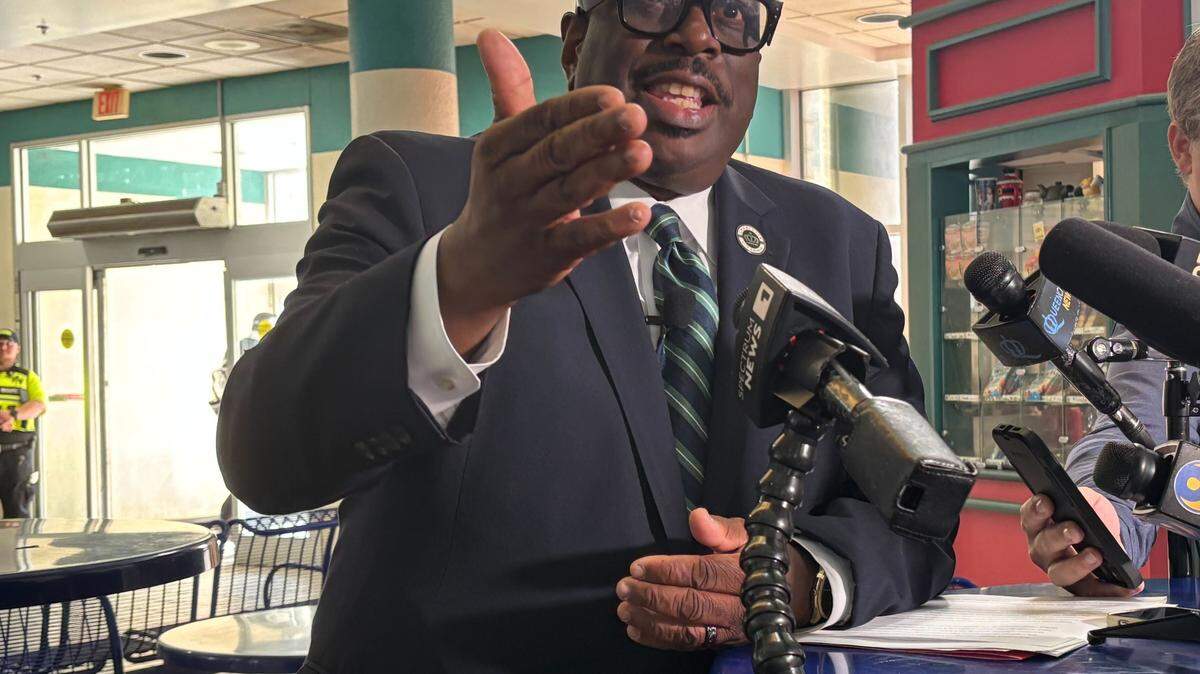
The tragic killing of Iryna Zarutska on Charlotte’s transit system underscores the urgency of this issue. No one should have to question whether getting on a train or waiting at a station will put their safety at risk. Recently, I rode the light rail and toured one of our busiest transit stations. I spoke directly with riders who told me what many of us already know: they want to see more visible CMPD officers — on trains, in stations and across our system.
As community leaders, we have no choice but to meet this moment with clarity and urgency. That means addressing root causes, admitting shortcomings, listening to residents and acting swiftly to restore public confidence.
It would be a mistake to focus only on transit safety, though it is critical. Safety must be strengthened across our entire city — Uptown, our Corridors of Opportunity, neighborhoods, parks and schools. Residents deserve to feel secure wherever they live, work, learn or play.
Public safety requires both compassion and accountability. That means: Expanding a visible Charlotte-Mecklenburg Police Department presence on trains and in stations; implementing targeted enforcement in hot spot areas, such as Catherine Simmons off Beatties Ford Road; holding businesses accountable when they allow illegal drug activity on their property; cracking down on absentee owners whose properties become havens for drug activity; supporting violence intervention, gang prevention and youth programs that give young people safe pathways and opportunity; building a 300-bed residential facility for the unhoused with wraparound services — mental healthcare, workforce development and addiction treatment; improving lighting, cameras and design in public spaces; and advancing Corridors of Opportunity to strengthen neighborhoods through investment and jobs.
We must also confront mental health and substance abuse issues. These challenges fuel many of the safety concerns residents experience. Charlotte must work closely with major healthcare providers and the Mecklenburg County Health Department to expand access to treatment, counseling and crisis intervention.
We also need stronger support from the state of North Carolina. Our District Attorney’s office is underfunded and understaffed. We need more prosecutors, more major court sessions and more resources for technology to handle rising caseloads. Without this, too many offenders slip through the system, undermining safety and public trust.
As chairman of the city council’s jobs and economic development committee, I also recognize that public safety directly impacts our ability to recruit and retain major employers. Companies want to invest in cities where their employees feel safe living and commuting. Safety concerns can erode our competitive edge if left unaddressed. At the same time, we must tackle affordability by building an aggressive workforce development strategy in partnership with all of our major employers. By expanding job training, apprenticeships, and pathways into high-demand careers, we can prepare Charlotte residents for the jobs of the future while keeping our city livable for working families.
Finally, we must close the revolving door for repeat offenders. Too many of the crimes that disrupt our neighborhoods and transit system are committed by individuals who cycle through the system over and over again. Accountability must be certain, swift and fair.
Charlotte is a growing, vibrant city. But our success depends on residents feeling safe in their daily lives. By combining targeted enforcement with community programs, addressing mental health and substance abuse, demanding resources from the state, linking safety to jobs and economic growth and holding repeat offenders accountable, we can create a city where safety is not an aspiration, but a reality for every neighborhood.
Malcolm Graham is a Charlotte city council member representing District 2. He served in the North Carolina Senate from 2004-2014.