
WNC restaurant owners: We are still recovering from Helene. Here’s what we need | Opinion
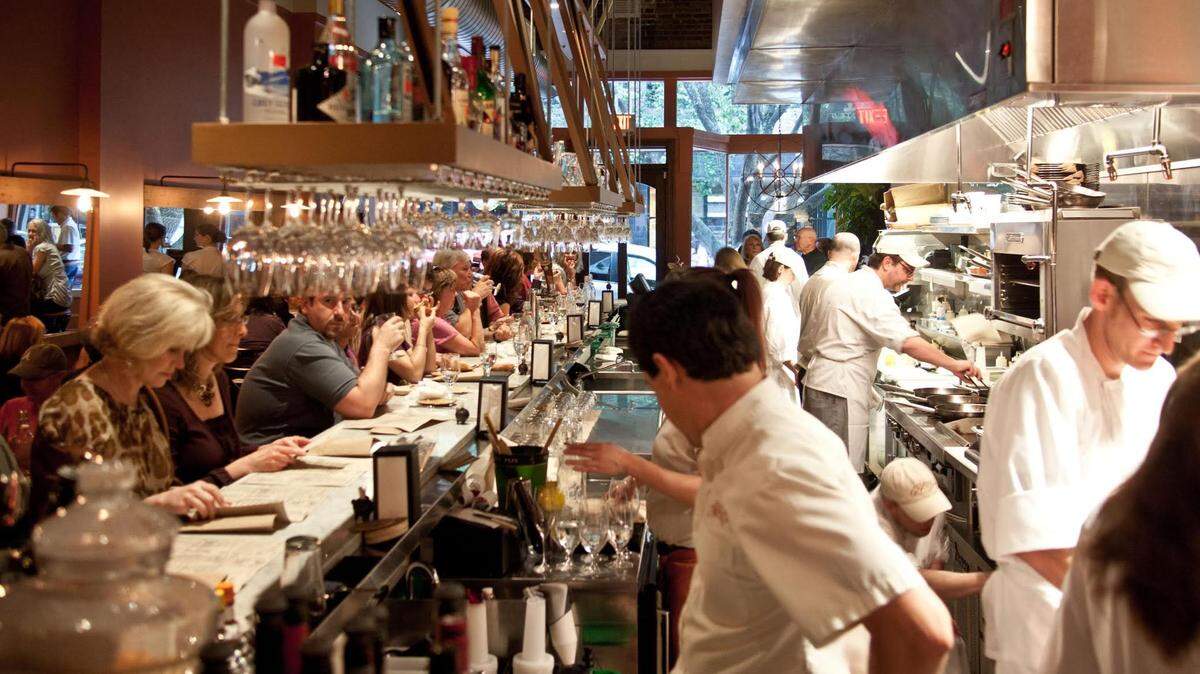
Western North Carolina is a cultural jewel of Appalachia, where visitors come to experience breathtaking mountains, rivers and waterfalls, explore our rich heritage and savor a thriving food culture rooted in farming and independent restaurants. This drives economic growth, while restaurants and farms are gathering places for locals and visitors alike.
A year ago, Hurricane Helene tore through the region, leaving behind broken roads and bridges, flooded neighborhoods and shuttered storefronts. In Western North Carolina, where independent restaurants and small businesses are both economic engines and cultural anchors, the impact was especially severe.
A survey by Mountain BizWorks found that 96% of small businesses were affected by Helene, more than half sustained physical damage and two-thirds lost utilities such as power and water. Losses totaled $188 million, averaging $322,000 per business. Even now, 86% of small businesses report earning less than before the storm.
Despite these challenges, Asheville’s culinary leaders showed their commitment to the community. Independent restaurants became first responders, opening their doors to cook for neighbors and serve as relief hubs.
Their resilience deserves recognition — but one year later, many are still in urgent need of help.
Ahead of the anniversary, the James Beard Foundation convened chefs, small business owners, farmers, state officials and policy experts in Asheville to discuss ongoing recovery needs. While most small businesses in Western North Carolina have reopened, the costs, challenges and barriers keep stacking up. Restaurant and small business owners continue to grapple with unresolved insurance claims, below-normal levels of tourism, staff retention and the ability to cover payroll and inventory.
We need less bureaucracy and red tape when applying for relief, faster disbursement of dollars and increased access to flexible and forgivable capital. Furthermore, current insurance options leave too many restaurants, farmers and small businesses uncovered or under-covered after extreme weather. We need reforms that make disaster insurance affordable, reliable and responsive to the real costs of recovery.
Meanwhile, recovery efforts at the state and federal levels remain inadequate. North Carolina requested a $13.5 billion relief package from Congress. To date, the federal government has covered less than 10% of estimated damages — far less than the 53% covered after Hurricane Matthew in 2016 or the 20% after Florence in 2018. The state legislature has allocated $2.9 billion for recovery, but according to the North Carolina Budget and Tax Center, less than 5% has gone to small businesses.
In addition, the unprecedented destruction caused by Hurricane Helene made clear that our communities not only need further economic relief, but also resources and action to bolster climate resilience.
According to the National Oceanic and Atmospheric Administration (NOAA), from 2020-2024, 37 billion-dollar weather disasters affected North Carolina.As extreme weather becomes increasingly common, measures to address this rising threat need to be taken. We must create policies, such as investing in more resilient critical infrastructure and climate-smart farming, that address climate risks and ensure our food systems can adapt to changing weather. Every dollar dedicated towards resilience protects our communities, restaurants, farmers and jobs.
We must also reverse staffing and funding cuts to NOAA and the Federal Emergency Management Agency, which have weakened our communities’ ability to prepare for and recover from disasters.
The anniversary of Hurricane Helene isn’t just a moment for remembrance — it’s a call to action. Restaurants and small businesses in Western North Carolina need further relief now, and we cannot afford to wait for the next disaster. With sustained support and forward-looking investments in climate resilience, our restaurants and small businesses can do more than survive; they can thrive, continuing to nourish our economy, culture and communities.
The chefs, farmers, and residents of Western North Carolina showed what resilience looked like during the crisis. Now our elected officials must act with the same urgency to invest in recovery, strengthen insurance protections and secure the region’s economic future.
Katie Button is the executive chef and CEO of Katie Button Restaurant Group in Asheville; She is a JBF Bootcamp and Women’s Entrepreneurial Leadership alum and 2022 James Beard Award winner for Outstanding Hospitality (Curate).
William Dissen is the executive chef and owner of The Market Place Restaurant in Asheville; He is a JBF Bootcamp Alum and 2025 James Beard Award Semifinalist for Outstanding Chef.
Meherwan Irani is the executive chef and owner of Chai Pani Restaurant Group in Asheville; He is a JBF Bootcamp Alum and 2022 James Beard Award winner for Outstanding Restaurant (Chai Pani).
Molly Irani is the co-owner and chief hospitality officer of Chai Pani Restaurant Group in Asheville; She is a 2022 James Beard Award winner for Outstanding Restaurant (Chai Pani).
Ashleigh Shanti is the chef and owner of Good Hot Fish in Asheville; She is a JBF Bootcamp Alum, American Culinary Corps Chef and 2025 James Beard Book Award winner (U.S Foodways).