
Charlotte crime numbers don’t add up to why families feel unsafe | Opinion
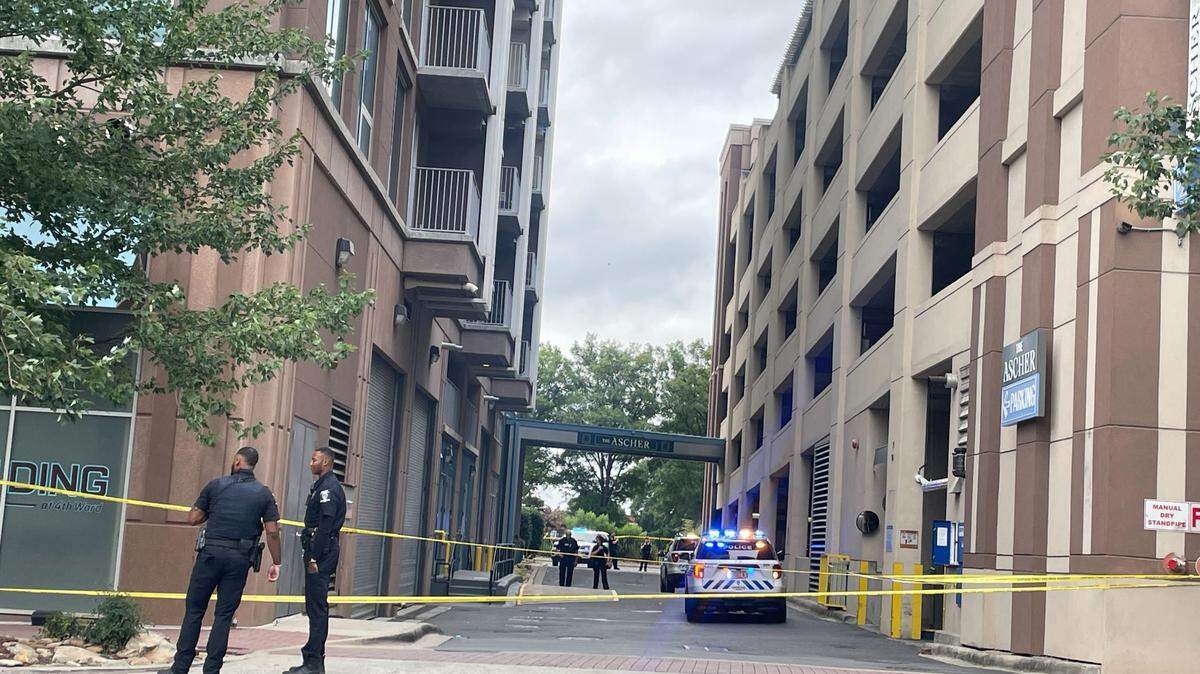
Whenever we talk about crime in North Carolina’s cities, and that’s been often lately, someone points to the data. Violent crime is down, they say. We’re safer than other places, the reports insist.
That’s a fair pushback and a good instinct. Public policy should be conducted in the realm of reality, not anecdotes. It’s so easy to overreact to a few high-profile outliers.

But then bullets whiz across an Uptown Charlotte park on a beautiful weekend night, and the man accused of firing them is out on bail in a heartbeat.
At that point, it’s clearer why people don’t always trust the statistics.
Spreadsheets vs. reality
A July report from the Charlotte-Mecklenburg Police Department showed that crime was down 8% over the first half of the year, with violent crime down 25%. Homicides, robberies, aggravated assaults all appeared to be moving in the right direction.
But incidents that feel serious to ordinary people don’t always land where the public expects.
In the park case, the offense was a misdemeanor “discharging a firearm.” That sort of event may never appear in the violent-crime line we read at year’s end.
Spreadsheets may record progress, but families considering a walk in the park don’t necessarily feel it.
That gap, between how safety is measured and how danger is felt, is the trust problem. People concerned about crime aren’t rejecting data. They’re rejecting the idea that we should ignore what we can plainly see.
A pattern people can see
It’s hard to quantify what isn’t captured. How do you search for incidents that don’t fit the box?
Yet it certainly happens. Last month, police arrested a man accused of accosting a passersby and punching a woman on the Rail Trail in Charlotte. Again, the initial charges were misdemeanors, and the suspect was quickly released.
Different facts, same takeaway: Behavior that feels threatening to the public is often treated in the system like a low-level nuisance.
To be clear: I am not accusing CMPD of manipulating data or deliberately undercharging. Officers charge on the evidence in front of them, and the district attorney’s office has a role in review. My point is narrower: The way we classify and initially charge some public-safety incidents understates the harm people actually endure.
I asked CMPD for comment on how cases like these are initially charged and counted; I did not hear back before publication. I also checked in with several City Council members. The consistent vibe was pretty clear: Charlotte has been more reactive than proactive, and the headline numbers often feel cleaner than life on the ground. With Chief Johnny Jennings retiring at year’s end, closing this trust gap should be a priority for new leadership.
Whack-a-mole policy
In the wake of Iryna Zarutska’s killing on the light rail in August, North Carolina lawmakers passed Iryna’s Law to force closer bail scrutiny for violent and repeat offenders. It will make magistrates slow down and think harder about who walks out scot-free. That should slow the revolving door, and that’s good.
But it doesn’t touch the front end, and it seems more and more obvious that North Carolina’s system of law and justice has issues throughout. If public gunfire is a low-level charge, the newly vigilant magistrate is still reviewing a lesser case. It’s almost like a game of legislative whack-a-mole.
Of course, Charlotte isn’t alone. Big-city departments around the country have faced questions about how crimes are categorized or presented. When the numbers feel tidier than the street, skepticism is rational.
Rebuilding trust
We can hold two truths at once. First, the city is showing statistical progress worth recognizing. Second, families do not feel safer in places that should be secure — parks, trains, sidewalks — because visible danger is too often translated into technical categories that understate the risk.
Leaders who want to rebuild trust have to close that perception gap. That starts with candor about what the numbers don’t capture, humility about where we’re falling short and a promise to align official language with reality. It means telling residents, in effect: We see what you see. We will measure what matters, not just what’s convenient. And we will treat acts that endanger the many as seriously as families experience them.
Charlotte can keep repeating that “violent crime is down.” Or we can move forward with honesty and courage — the kind that stops using spreadsheets and data as a comfort blanket and starts speaking to the world as people actually live it.
Contributing columnist Andrew Dunn is the publisher of the Longleaf Politics newsletter, which offers thoughtful analysis of North Carolina politics and policy from a conservative perspective. He can be reached at andrew@longleafpol.com.
This story was originally published October 9, 2025 at 5:00 AM.