
North Carolina is finally rethinking property taxes. What it means for you. | Opinion
We’re taxed so many different ways in America that we almost stop noticing it.
Sales tax at the register. Charges at the gas pump. Yearly stickers on your car’s license plate. Fees on your phone bill and your power bill. I still think automatic income tax withholding was one of the great mistakes we made as a country, as it turned paying for government from a conscious act into background noise.
But property taxes are different. Even when they’re tucked into your mortgage escrow, they stand out. Part of it is because they’re the primary way local governments collect money, but a bigger part is that they’re tied to the one thing Americans still see as the heart of the dream: owning a home.
In North Carolina, property taxes are about to become the center of a fight between the cities that live on them and a General Assembly that’s finally ready to rethink how we tax the places we live.
Two very different kinds of pain
Different parts of the state feel the property tax squeeze in very different ways.
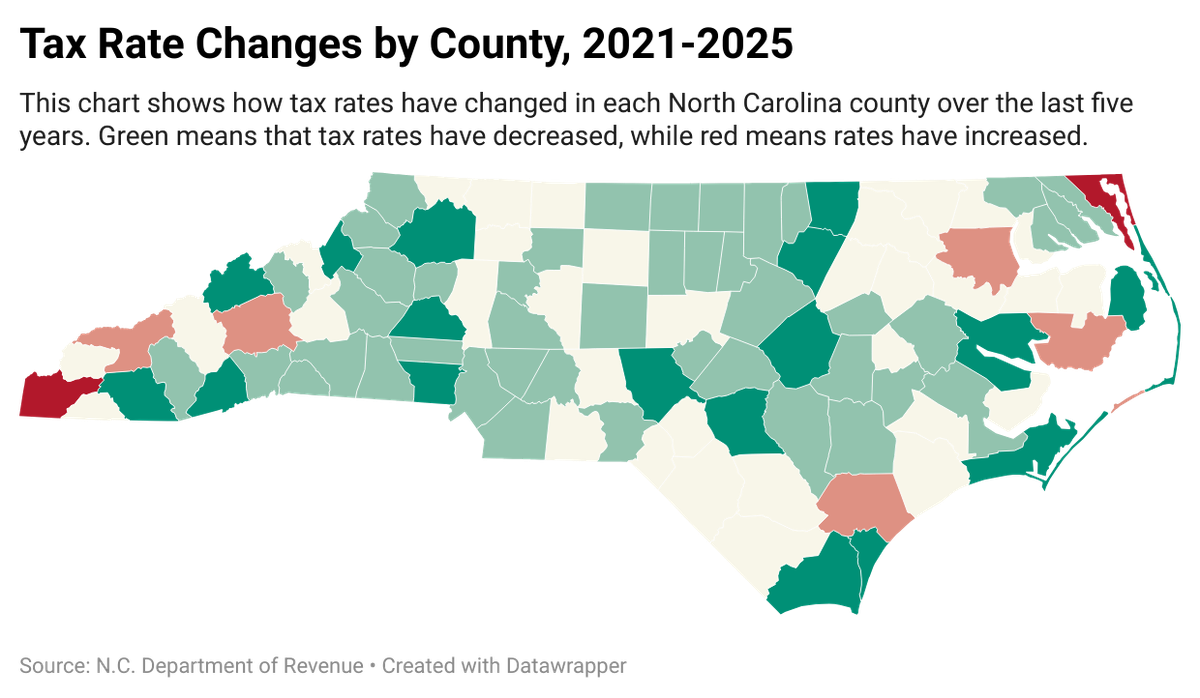
In booming counties like Mecklenburg and Wake, rapidly rising home prices mean sticker shock every time there’s a revaluation. Values have regularly jumped 40 or 50 percent in just a handful of years. County commissions and city councils tend to lower the tax rate a little when this happens, but not enough to keep the total bill flat.
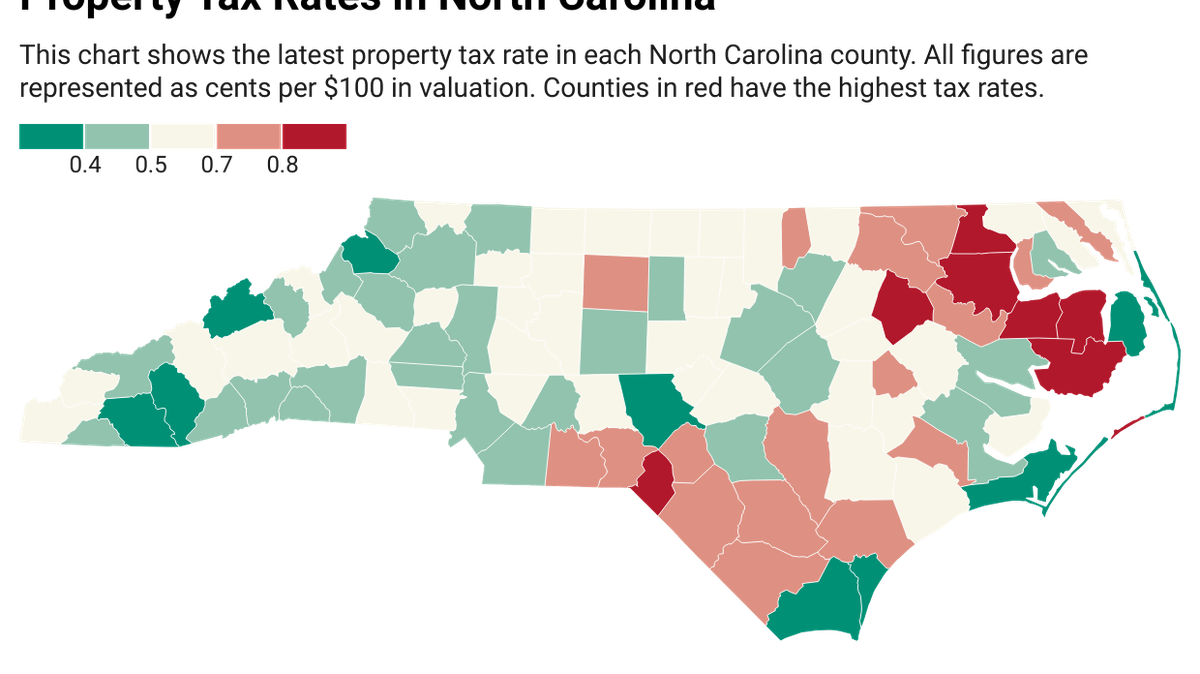
In poorer eastern counties, the story flips. Tax bases are flat or shrinking as businesses have closed, but infrastructure still has to be maintained. To fund a police department, a water plant and a bare-bones town hall, local officials have had to push tax rates higher and higher. These areas are paying some of the highest cents-per-$100 in the state, despite having some of the lowest incomes. Years of mismanagement in a few places haven’t helped.
Cities, counties and unusual allies
That’s the reality behind the new House Select Committee on Property Tax Reduction and Reform. House Speaker Destin Hall announced Monday that he formed the committee to study how to reduce the tax burden on homeowners, naming a bipartisan panel to do so. He deserves credit for that; it would have been easy to shrug and call this a “local problem.”
It also comes as more states grapple with how to handle property taxes. States from Colorado to Kansas have made major changes to property tax limits over the last five years. Florida could soon go the furthest. Gov. Ron DeSantis is pushing a phased plan to eliminate property taxes on primary residences altogether.
Here in the General Assembly, that’s not likely to happen. Instead, expect the result to be measures to expand homestead exemptions beyond their current restriction to elderly and disabled people, and some caps around how much property taxes on primary homes can increase in a single year.
That’s long overdue, but it won’t come easy.
This will be painted as another cities-versus-legislature showdown, and in some respects it will be. Big urban counties and their city halls have quietly used rising property values to fund agendas that go well beyond core services. They’ll argue that any new limits will gut their ability to hire police officers, but it’s those pet projects that will actually get the squeeze.
Some rural officials won’t be cheering either. Counties already charging high rates with thin tax bases will worry that caps on primary homes will choke off the only reliable revenue they have. A few small towns may eventually decide they can’t make the math work and fold back into county government.
At the same time, some unusual pairings are likely to line up in favor of property tax limits. Urban Democrats have long heard from older homeowners in Charlotte and Raleigh who are being taxed out of neighborhoods they helped build. Conservative rural Republicans, too, know their voters are one bad revaluation away from a bill they can’t pay. They don’t agree on much, but they agree that the house you live in shouldn’t be treated as a bottomless ATM for local government.
What this really should be about
Some people will hope this committee becomes a way to put cities on a budgetary diet. Others will warn that any limits are an assault on “local control.” Both are missing the point.
The real goal should be to treat the American Dream and property rights with the reverence they deserve.
A home is not just another asset on a tax roll, and our laws should reflect that. The tax code should make it reasonably predictable to stay in the house you’ve worked to buy, not leave you wondering every few years whether a new assessment will price you out.
That will require tradeoffs. Cities will have to make harder choices about what counts as essential. Rural counties will have to confront the limits of what a shrinking tax base can support.
In the end, though, the house you live in should belong to your family first, not to the tax man.
Contributing columnist Andrew Dunn is the publisher of the Longleaf Politics newsletter, which offers thoughtful analysis of North Carolina politics and policy from a conservative perspective. He can be reached at andrew@longleafpol.com.