Democrats are deceiving NC voters with party switches. Cut it out. | Opinion
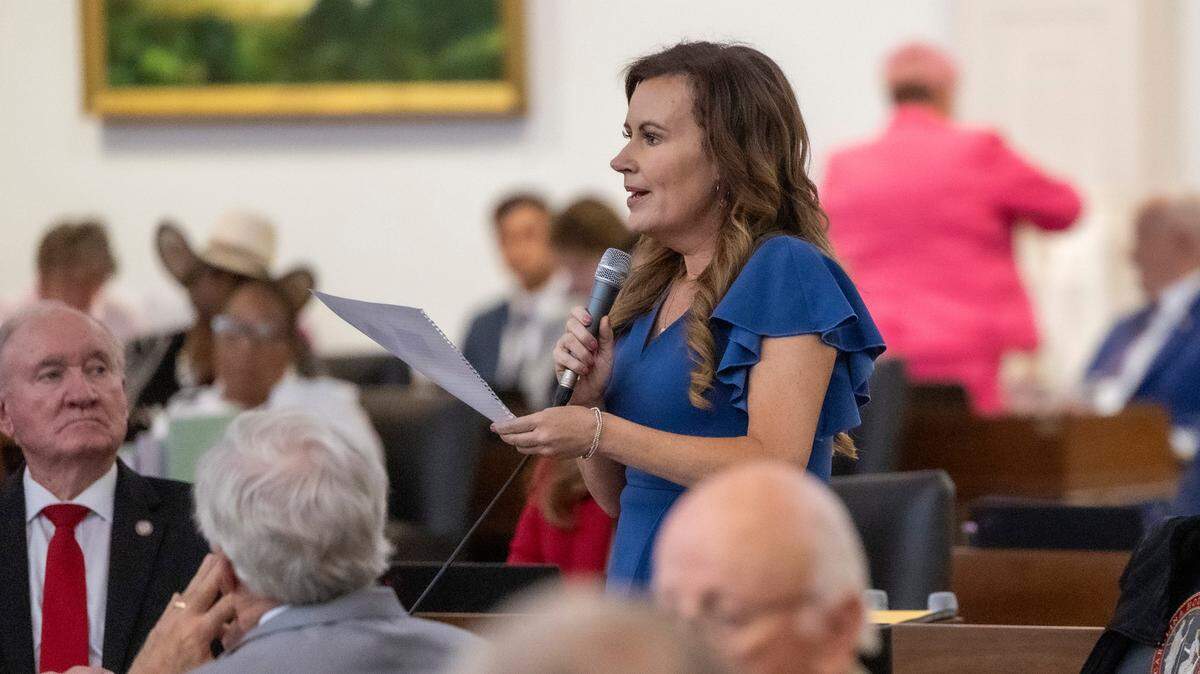
Democrats will once again try to flip the Charlotte-area legislative district they lost when North Carolina Rep. Tricia Cotham switched parties in 2023.
But this time, another candidate will also take an unconventional approach: changing her own party affiliation to run against Cotham as a Republican.
Kelly Van Horn, a teacher, has filed for the Republican primary in N.C. House District 105, which encompasses parts of south Charlotte and the Matthews area. According to records from the State Board of Elections, Van Horn has been a registered voter in North Carolina for decades, but changed her registration from Democrat to Republican in September.
It’s an unusual move, and it would likely accomplish nothing except potentially deceive and confuse voters who have been confused enough already — and it’s not the first time Democrats have done it this year. Van Horn doesn’t have a campaign website yet, but she told The Charlotte Observer she is running as a Republican “because I want to give people a choice,” and would be an independent member of the legislature if elected.
Cotham, who has not yet filed for reelection, won in 2024 by a narrow margin in what became one of the most competitive legislative races in the state. Voters had a choice then, and they will likely get one again in the next general election, which will likely be competitive again in 2026. Van Horn’s justification for her decision doesn’t give voters many answers. It just leaves more questions about where she actually stands, why she felt she could only declare independence by running in a Republican primary after 20 years of voting for Democratic primaries, and whether voters in that district also deserve a choice in the Democratic primary in that district, which only one candidate has declared for so far.
Cotham, of course, has been a target of Democrats since she changed parties just months after being elected in a deep blue district. To help Cotham get reelected, Republicans drew her into a more conservative district. Van Horn said her decision was in part driven by the fact that the district was gerrymandered.
“People are going to say it, ‘You switched to be a Republican for this election.’ Well, the legislature gerrymandered,” Van Horn told the Observer.
A similar argument has been made by Democrat Kate Barr, who announced last month she would run against U.S. Rep. Tim Moore in the GOP primary for North Carolina’s 14th Congressional District. Barr ran for the state Senate in an unwinnable district in 2024 to make a point about gerrymandering, and her decision to run as a Republican in a deeply gerrymandered congressional district is intended as a similar form of protest. It still may not be the most ethical method, and it may also unintentionally deceive voters, but she does have a point: gerrymandering may still give voters the illusion of choice, but it absolutely stifles competition. It’s difficult to hold elected officials truly accountable in a system that’s designed to shield them from any form of accountability, but that might not be the best way to make that point.
But that’s also not exactly what’s happening here. While Moore won his congressional seat by 16 percentage points, Cotham’s race went to a recount, and she ultimately won reelection by just 213 votes. Democrats — and independents — don’t have to resort to questionable tactics to win in a district that’s already winnable. In truly gerrymandered districts, the outcome is effectively decided in the primary. In District 105, the outcome is still decided in the general election.
If the biggest argument against Tricia Cotham is that she deceived voters by switching parties, the person best equipped to regain that trust likely isn’t someone who just switched parties themselves. It confuses people, especially if they still can’t make out exactly where a candidate stands. There are many voters who cast their ballot with little to no information at all, and they expect that, in a Republican primary, the candidates on their ballot are actually Republicans.
If Van Horn truly feels that the Republican Party is a better representation of who she is today, that’s fine, but she needs to be as open and transparent with voters as possible. There’s nothing wrong with wanting voters to have a choice — but that choice shouldn’t be a false one.
This story was originally published December 10, 2025 at 1:22 PM.