
Environmental groups’ excessive court challenges are about raising funds, not protecting fisheries | Opinion
When you think of environmental groups working to protect iconic wildlife the mind’s eye often provides a romantic setting with activists defending dolphins on the high seas.
In reality, the bulk of that work is done in places like Charlotte, where millions of dollars are raised in boardrooms with those very images as the centerpiece. The story behind the story is that such campaigns may be much more about money than marine mammals.
In 2024 the Natural Resources Defense Council and other groups sued the National Oceanic and Atmospheric Administration (NOAA), forcing the government to implement a portion of the Marine Mammal Protection Act (MMPA.) Now they have rushed back to the court that oversaw their original settlement, ostensibly to complain about separate MMPA litigation.
Having pressured NOAA, after more than a decade of delays, into applying the protective policy, they now object to a different court settlement that allows a small handful of crab fisheries in four countries an additional 180 days to come into compliance with the rule.
Hyperventilating in court about marine mammal protection is certainly on brand for these groups. But a closer look reveals exactly what that brand entails. The recent crab settlement affects just 0.2% of the fisheries subject to the rule: five fisheries out of the 2,500 assessed by NOAA. Yet here we have environmental groups spending untold sums petitioning the Court of International Trade over a modest delay that would allow these fisheries time to come into compliance with the MMPA, not to evade it. A 180-day extension hardly seems like the extinction level crisis.
Perhaps because it isn’t one. In fact, this episode likely has little to do with marine mammals at all. It has far more to do with maintaining a narrative for donors that positions these groups on the front lines of protecting cuddly creatures — reasonable regulation be damned. Meanwhile, tax records show Charlotte’s own Foundation For The Carolinas (FFTC) is one of the biggest donors to the lead plaintiff, Natural Resources Defense Council.
Since 1972, environmental groups have championed their stewardship of the Act designed to protect mammals. But now, without a clear boogeyman, they appear to be fixated on blocking a handful of fisheries from achieving near-term compliance because it serves their business interests. The narrative likely offered to institutional donors like FFTC, and consumers alike, is one that they are fighting for Flipper at every turn. Never mind that the fisheries they currently target do not have long, dangerous, or documented histories of imperiling marine mammals. One of the most vilified fisheries has not even seen a marine mammal in four years — not entangled or killed, but seen. Peril, danger, and risk are lucrative for groups like these. Compliance, conformity, and sustainability are not.
The real businesses imperiled by this new effort are companies like 3Fish in Gastonia who are already committed to sustainably sourcing the crab they process but would see their supply halted overnight by this effort.
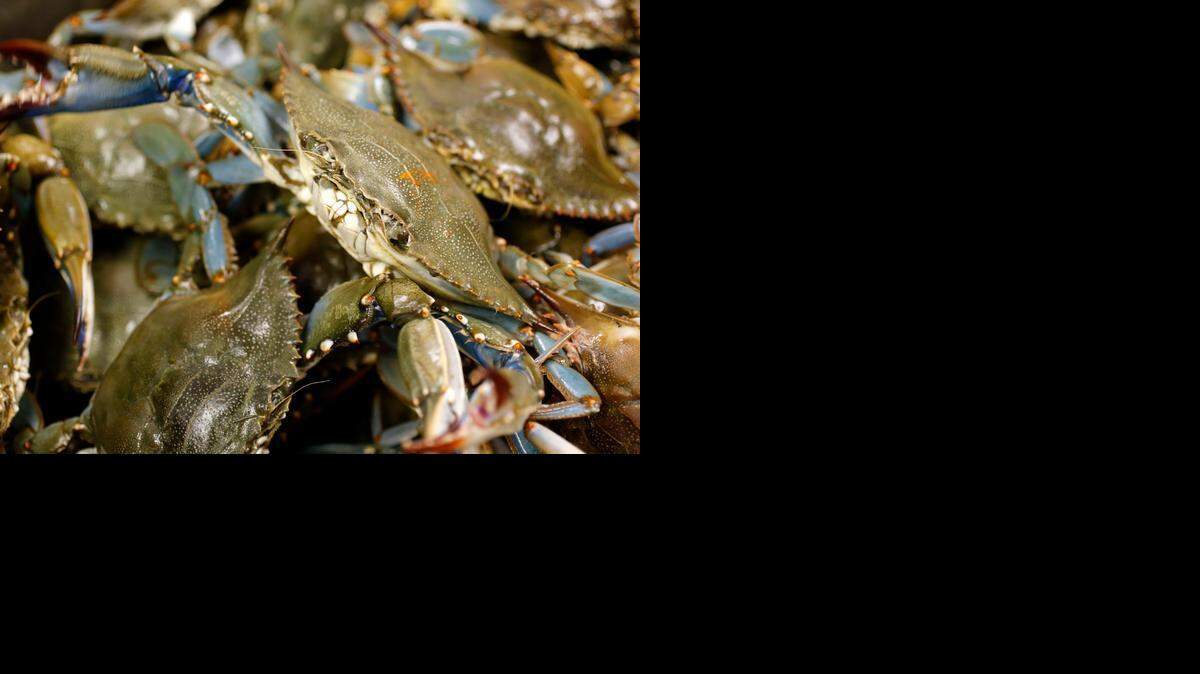
Meanwhile, North Carolina’s own fisheries, like the iconic Blue Crab harvest, see no benefit from the show playing out in court. Old North State fisheries are some of the best managed in the world but are fished to their maximum sustainable yield. The men and women who work the water can’t simply pull more crabs up if sourcing conditions change because of regulations elsewhere, but potentially wild price fluctuations and availability constraints can have an actual effect on the market. Instability and unnecessary uncertainty are not a fisherman’s friend.
After countless delays, NOAA has finally executed its mandate, only to find environmental warriors sharpening their bayonets to prove to donors their continued courage, skill, and resolve in fisheries management. Unfortunately for them, they’ve found only windmills to tilt at.
Responsible implementation of the Marine Mammal Protection Act should be about safe, functional, and symbiotic fisheries — not fundraising.
Gavin Gibbons is the chief strategy officer with the National Fisheries Institute, the nation’s largest seafood trade association.
This story was originally published January 2, 2026 at 11:23 AM with the headline "Environmental groups’ excessive court challenges are about raising funds, not protecting fisheries | Opinion."