Letters from NC elections board are confusing voters. Fix them now | Opinion
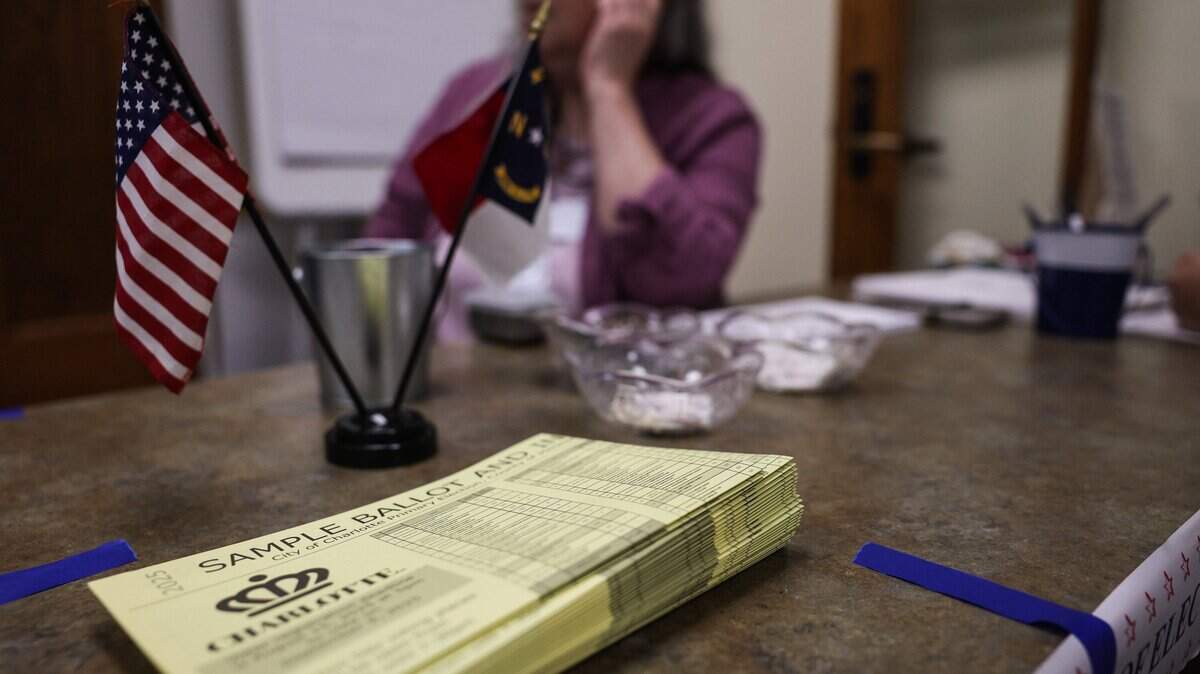
The North Carolina State Board of Elections is asking more than 241,000 voters to fork over more information in an effort to have “the most accurate voter rolls in North Carolina history.”
These voters received a letter in the mail requesting additional information like their birthdays, driver’s license numbers and the last four digits of their Social Security numbers. A release from the elections board says it’s because their voter registrations had identification information that didn’t validate against other government databases. This mismatch could be from something as simple as a typo, a spelling difference or a name change following a recent marriage.
At best, the letters are causing confusion. At worst, the letters could cause disenfranchisement. Providing such information is not a requirement to vote, and the State Board insisted in a subsequent press release that it does not affect anyone’s eligibility to vote in upcoming elections. The problem is, though, that the letter didn’t clearly say that, or even mention it at all, and many of the letters were received just before early voting began.
Many voters who received these letters are confused and concerned that they will not be able to vote if they do not resolve the “discrepancy” mentioned in the letter. Others wondered if the letters were a scam. Many of the letters went to older people who have been voting for decades and didn’t understand why there was suddenly a problem.
Perhaps this was just a well-meaning attempt to make the state’s voter rolls as accurate as possible. Perhaps elections officials didn’t realize their letter could cause confusion. (A spokesperson for the Board of Elections did not respond to a request for comment.) But it’s difficult not to view this as the work of a board that has increasingly seemed more committed to partisan goals than democratic ones.
For the past year, the State Board of Elections has fallen under the purview of the state auditor, a Republican who was elected in 2024. The executive director is now a former member of the House speaker’s staff. Its newest members include a former Republican lawmaker best known for being on the wrong side of a partisan gerrymandering lawsuit and Francis DeLuca, former president of the conservative Civitas Institute.
Very little about the board’s recent actions suggests it wants voting to be as simple and accessible as possible. It approved early voting plans that targeted Sunday voting and polling places on some college campuses, two longtime Republican fixations. It has demanded unprecedented access to voters’ full Social Security numbers and gone to great lengths to “investigate” non-citizen voting despite no evidence that it exists, a move that many warn could lead to legitimate voters being wrongfully accused of voter fraud.
The overall goal, it seems, is to make it harder for people to vote, whether from confusion, intimidation or outright disenfranchisement. So it’s hard to see this letter as anything different.
But even if that’s not the intent, it can still be the impact. Voting is a right, and the burden should not fall on citizens to prove they are eligible to vote — it should be up to the state to prove that they are not. Not only is it confusing to those who are directly affected, it also sends the wider message that our elections should be viewed with scrutiny and suspicion. It gives the impression that voting is broken and needs to be fixed. None of that is true. Unfortunately, that narrative is already present across the country. We don’t need more of it echoed here at home.
What the Board of Elections needs to do now is set the record straight. First, issue a public statement that unequivocally states recipients are still eligible to vote in March’s primary. Don’t bury it in a press release that most voters will never read. Then, send those 241,000 voters another letter clarifying that the mismatch in registration information does not affect their right to vote. If confusing people was never the goal, then make sure it’s not the outcome.