In North Carolina, Trump’s endorsement isn’t as potent as it once was | Opinion
Not so long ago, President Donald Trump’s endorsement could pretty much snuff out competition in a Republican primary. Voters would line up behind his chosen candidate, and few people in the party dared to challenge his judgment.
That seems to be changing in North Carolina.
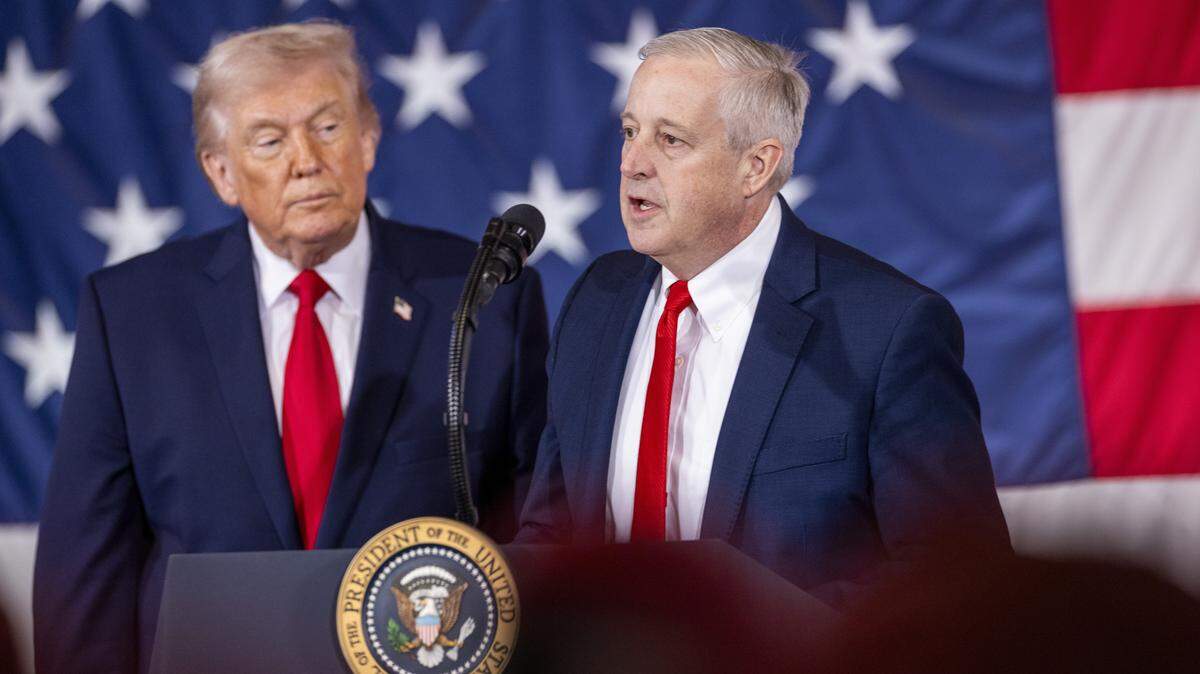
Shortly after U.S. Sen. Thom Tillis announced he would not seek reelection, Trump announced he would endorse close ally Michael Whatley in this year’s race to replace Tillis. Attorney and former prosecutor Don Brown was already running to the right of Tillis in the Republican primary, but Trump’s endorsement of Whatley didn’t make him back down. It also didn’t stop another candidate from entering the race months later. Michele Morrow, the extremist who unsuccessfully ran for state superintendent in 2024, announced her candidacy in December. Many grassroots Republicans believe Whatley is too much of a party insider and bristle at the fact that Trump endorsed him so quickly.
Whatley will most likely win anyway. But the fact that anyone, least of all Trump’s own supporters, was willing to challenge him represents a marked change in the Republican political landscape. In 2022, the Republican primary for North Carolina’s other U.S. Senate seat was effectively over as soon as Trump announced his endorsement of Ted Budd, a congressman who most people had never heard of before. The donors fell in line with Trump, and former Gov. Pat McCrory, Budd’s closest opponent and the only candidate with considerable name recognition, didn’t have much of a chance after that. Trump wasn’t even president at the time.
In 2024, the GOP primary in North Carolina’s 13th congressional district ended with neither Trump’s pick nor any of his opponents receiving the required 30% of the vote, triggering a runoff. But instead of requesting that runoff, former U.S. Rep. Mark Walker, who had come in second place, opted to take a job in the Trump administration. That same year, the 13th Congressional District went to a runoff as well. The candidate who had finished first ended up abandoning her campaign after Trump endorsed the second-place finisher in the runoff. She said Trump’s endorsement of her opponent made it clear “that a pathway to victory is no longer feasible.”
The declining value of Trump’s endorsement also seems to be present in another upcoming Republican primary, for a state Senate seat in Rockingham and Guilford counties. Senate leader Phil Berger, the state’s most powerful Republican, faces a formidable challenge from Rockingham County Sheriff Sam Page. Berger managed to nab Trump’s endorsement, and some speculate he went to great lengths to do so. He’s touted it repeatedly in campaign ads and on social media. But it may not matter — Berger has trailed Page in most polls.
It’s also present across the country. In the race to replace former U.S. Rep. Marjorie Taylor Greene of Georgia, who resigned late last year, Trump’s endorsement of a local prosecutor failed to clear the field of 14 other Republican candidates who are continuing their campaigns. In Arizona, Trump’s endorsement of businesswoman Karrin Taylor Robson in the Republican gubernatorial primary drew fierce backlash from MAGA voters and allies, prompting Trump to also endorse her opponent, U.S. Rep. Andy Biggs, who is one of the most extreme members of Congress. The same thing happened in Arizona’s 1st Congressional District — Trump was forced to endorse a second candidate after his supporters rallied against his first pick.
Has the movement Trump created within the Republican Party become more powerful than the president himself? There’s no doubt that the pro-Trump wing of the party still has significant sway, but that wing seems to be developing a mind of its own, unwilling to accept any candidate that’s part of the “establishment” or who doesn’t meet its standards of ideological purity. And the more time Trump spends in Washington, the more he becomes a creature of the same “swamp” he once taught his supporters to loathe.
We’ve already begun to see signs of fracture among Trump’s carefully assembled coalition. Polls suggest that Trump’s base is not as fired up as it once was, and among his most fervent supporters, his popularity is slowly eroding. Trump’s overall grip on the party has started slipping, forcing him to surrender more than he ever has before, most notably on the release of the Epstein files. Trump has always seemed to be made of Teflon, but even he may not be immune to disillusionment.
Deputy Opinion Editor Paige Masten is covering the 2026 elections for The Charlotte Observer and The News & Observer.