Phil Berger is learning that counting every vote may be a good thing, actually | Opinion
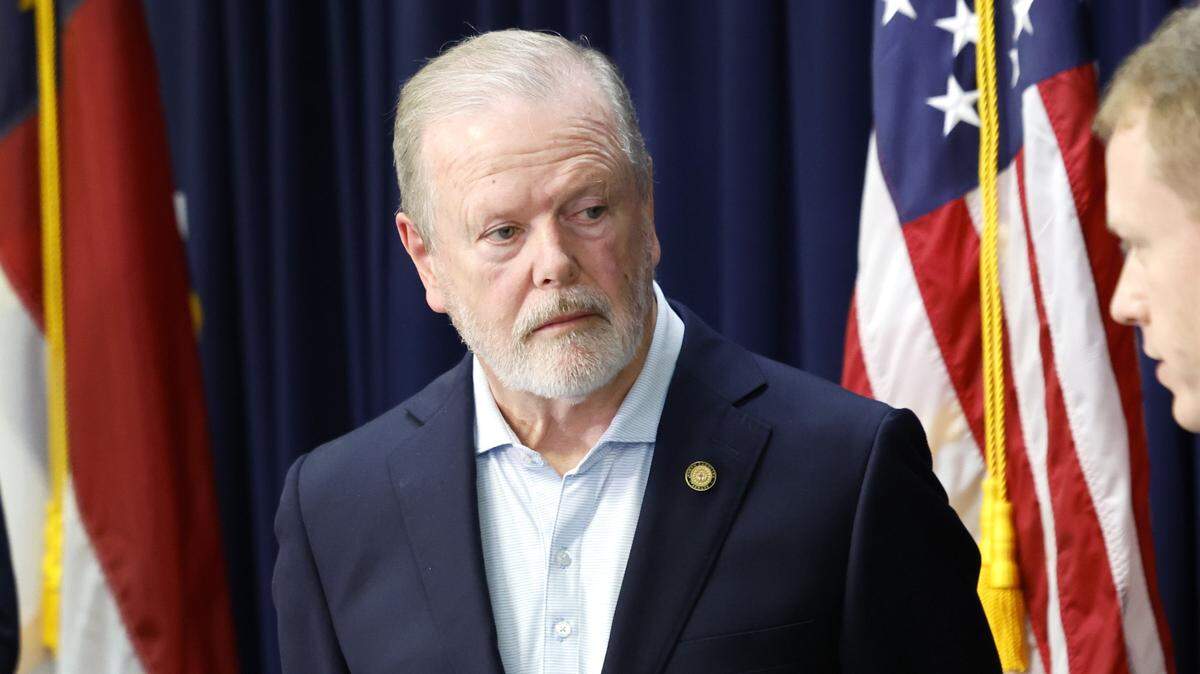
Phil Berger, the most powerful politician in North Carolina is losing by just two votes in a state Senate race that remains too close to call.
How he chooses to move forward will be interesting, given his comments in 2024 on another close race in which the result was not determined until after Election Day.
In 2024, Republican Jefferson Griffin led Democrat Allison Riggs by just 9,851 votes after Election Day. After all outstanding provisional and absentee votes were counted, Riggs ended up with a roughly 700-vote lead.
At the time, Berger cast doubt on the result, calling it “another episode of ‘count until somebody you want to win, wins.’” He did not provide any evidence for why he felt the vote-counting process was rigged. It was a disappointing display of election denial from an influential leader who had long resisted such rhetoric.
Surely Berger wouldn’t mind now if the counting of outstanding ballots resulted in him keeping the seat he has held for 25 years.
Now, some might argue that a margin of two votes is a lot different than a margin of 734 votes. But there were about 26,000 votes cast in Berger’s race, compared to nearly 5.5 million in the statewide Supreme Court race in 2024. When you crunch the numbers, both margins are about 0.01% or less.
Berger defended his 2024 comments a few weeks later, saying they were “a reflection of what the general public sees and has concerns about.” When someone is “way ahead” on election night, but the result changes as the vote tallies are finalized, that “creates concerns,” he said. (Of course, Jefferson’s 9,851-vote lead on election night still only gave him an edge of about 0.18%, which can hardly be considered “way ahead.”)
On Tuesday, however, he was saying something a little different.
“My understanding of the process is that we’ve got to have all of the provisionals determined. Then we’ll see what the result is,” Berger told reporters. ”... This is not over. It is something that we’ve got to make sure we get all the legal votes counted and we go through that process.”
Berger is correct. That is the process. And it’s the same process that he cast doubt on in 2024, when the result was one he didn’t like. It’s nice to see him embracing it now.
This story was originally published March 4, 2026 at 12:04 PM.