
The hardest part is letting go, Phil Berger. But it’s time. | Opinion
Let me tell you a story about a North Carolina politician who clung to power just a little too long.
Liston Ramsey was born in Madison County in 1919. He served in the Pacific during World War II, returned home to the mountains, and won election to the state House in 1960. He would serve there for nearly four decades, becoming one of the defining figures of his era.
In 1981, Ramsey was elected speaker of the House. For years, House rules had limited the speaker to a single two-year term. When that changed, Ramsey used the opening to build a stronger and more centralized speakership. He won an unprecedented four terms and became, by broad consensus, the most powerful man in North Carolina politics.
Ramsey’s influence rested on more than longevity. “The Mountain Populist,” as he was called, was one of the most significant North Carolina lawmakers of his generation. He built a reputation as a skilled operator, but also as a serious advocate for public education, the environment and the needs of rural western North Carolina.
He understood the mountains he came from and used his power to make sure that part of the state was not ignored in Raleigh. By the time he reached the height of his speakership, he was not simply a party leader. He was an institution.
And yet, for all he had built, Ramsey reached the point many leaders do. Too many of those around him had grown tired of how he used power.
By 1989, many of Ramsey’s fellow Democrats had grown weary of his leadership style. The Fayetteville Observer described House leadership as “arrogant, sometimes vengeful, always ultra-partisan and frequently given to decision-making behind closed doors.”
That year, 20 Democrats known as the “Kamikaze Kids” joined with every Republican in the House to remove Ramsey as speaker and replace him with someone who promised a more open and responsive style of leadership.
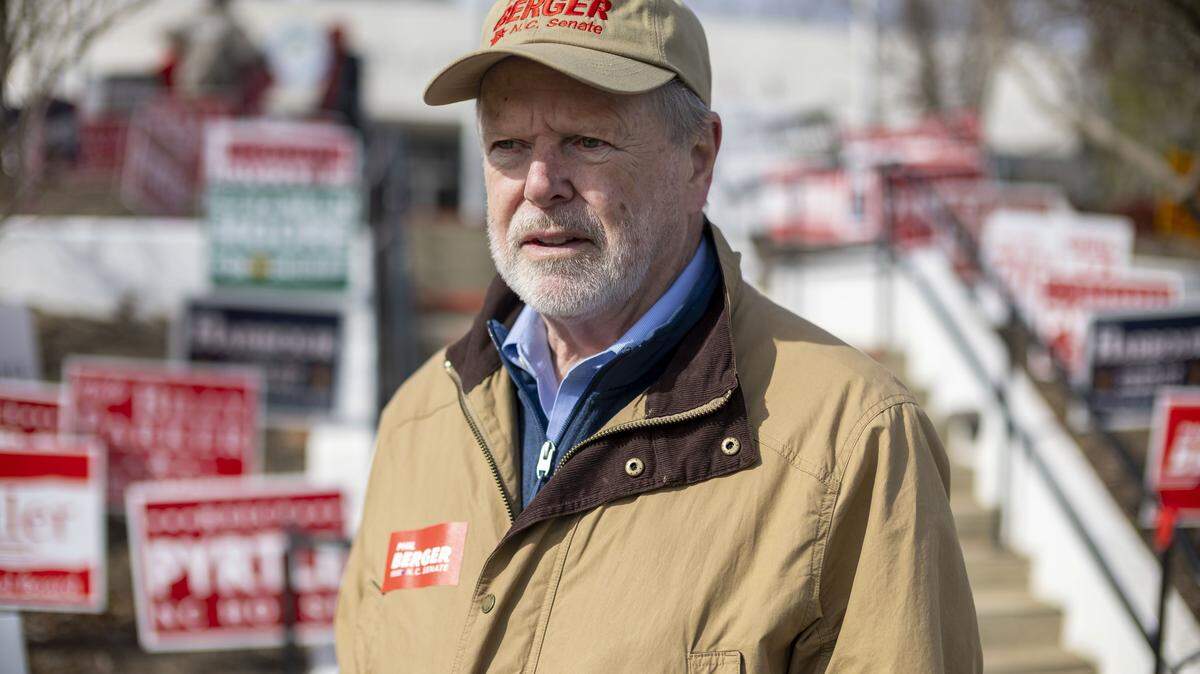
I think of that story when I look at what is happening now around Senate leader Phil Berger.
For years, Berger has been the central figure in North Carolina politics, one of the most effective and consequential legislative leaders in modern state history. He helped construct the Republican governing era in Raleigh and shaped everything from budgets to education policy to the balance of power between the branches of government. No honest assessment of his career can deny his skill, his discipline or his influence.
But the longer a leader holds power, the easier it becomes to lose sight of the people and relationships that made his rise possible. In Ramsey’s case, that distance opened up among his colleagues. In Berger’s, it appears to have opened up back home.
That is the lesson of Berger’s current political trouble, whatever the final result may be.
In a healthy republic, no office belongs to anyone forever. Public service is a trust, and even the strongest leaders must understand that power depends on confidence. And confidence can erode.
To Ramsey’s credit, he met that moment better than many do. After losing the speakership, he bowed out graciously and remained in the House for another decade. Over time, the loss itself became a smaller part of his legacy than the substance of his public service. He is still remembered not mainly for the moment he fell, but for the substance of what he gave.
That is what makes this moment important for Berger. The question is not only whether he survives this challenge. It is what kind of legacy he intends to leave behind.
Politics often celebrates the gaining of power. It pays less attention to the wisdom required to part with it. But in the end, the latter may tell us more about a leader than the former ever could.
Knowing how to leave matters just as much as knowing how to lead.
Contributing columnist Andrew Dunn is the publisher of the Longleaf Politics newsletter, which offers thoughtful analysis of North Carolina politics and policy from a conservative perspective. He can be reached at andrew@longleafpol.com.