
The I-77 tolls project is about to become Josh Stein’s problem | Opinion
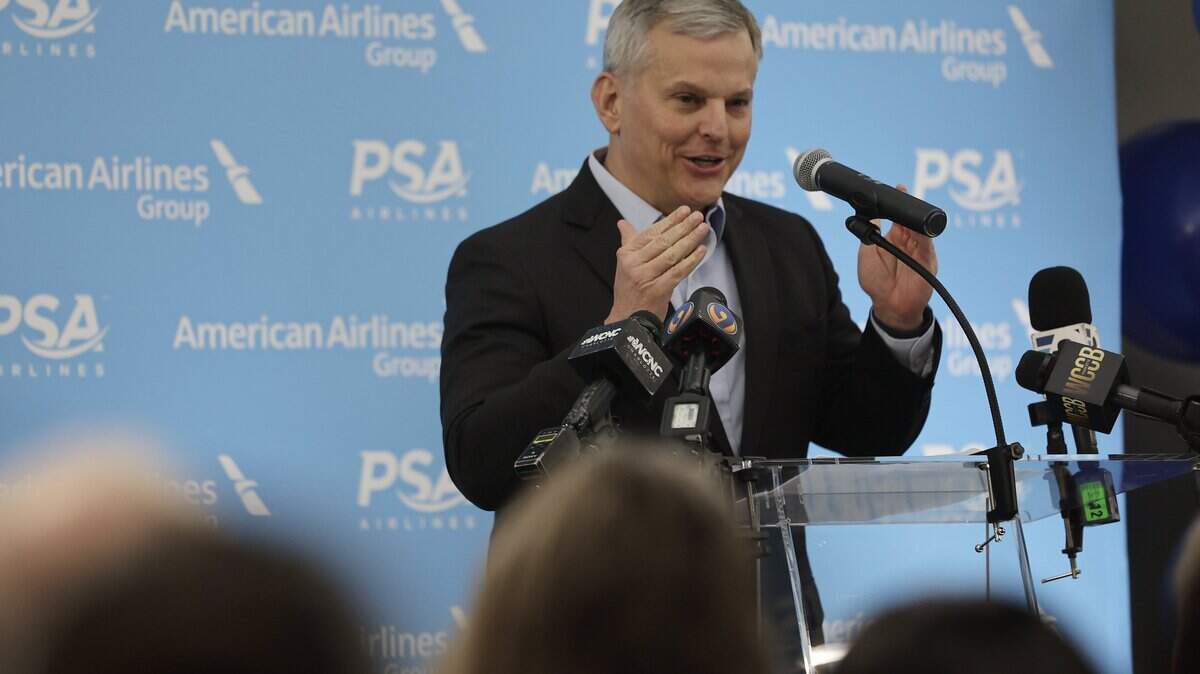
A new I-77 toll lane fight is gathering steam, and this one may be even nastier than the last.
The state’s $3.2 billion plan would add “managed lanes” from Uptown Charlotte to the South Carolina line, including towering stacked sections near some of the city’s oldest Black neighborhoods. The backlash has already gotten hot enough that the N.C. Department of Transportation canceled a planned tour of the project area over safety concerns.
A decade ago, toll lanes on I-77 helped turn Gov. Pat McCrory’s home turf into hostile territory and contributed to his defeat. Now Gov. Josh Stein is staring down a sequel in Charlotte, and his administration has no business acting surprised.
By now, North Carolina should know this issue well enough to see trouble coming.
Like it or not, Stein owns it
In the old days, North Carolina divvied up road money largely based on what lawmakers had the most political power. That’s how you ended up with big beautiful highways to nowhere while booming urban centers got squeezed.
We did the right thing in the mid-2010s by taking a lot of the old smoke-filled-room politics out of transportation. Under McCrory, the state moved toward a more data-driven system, with projects scored methodically and local boards given a formal voice.
But shifting power into the bureaucracy creates its own risks. The wheels of the “deep state” move on their own schedule, not the political one, and transportation projects often take shape years before the public notices them.
The I-77 toll lanes that became a political nightmare for McCrory were largely approved under former Gov. Bev Perdue. By the time they reached his desk, none of the options were especially good. Stein now finds himself in a similar bind, boxed in by decisions that took shape under former Gov. Roy Cooper.
That explains the predicament, but it does not erase the responsibility. McCrory’s experience should be a warning to Stein, not a comfort.
Stein is now backing a pause on the I-77 south project to let NCDOT gather more community input and, possibly, tweak the maps. Listening sessions and map revisions may buy time, but they do not transfer ownership.
In North Carolina, local governments and regional planners get a say, but they do not get the final call. The Department and Board of Transportation must consider local views, but they are not bound by them. The transportation secretary runs the department. The governor appoints the secretary. If this project keeps moving, it is moving on Stein’s watch.
The projects that blow up
As construction costs soar, North Carolina has leaned more heavily on toll roads and toll lanes to keep big projects moving. Most of the time, that stirs little public passion. Every once in a while, though, it detonates.
The pattern is fairly simple. People will usually tolerate a toll when it buys them something extra: a bypass, a new route, a faster way around the mess. What they hate is paying more on a road they already depend on. Then it stops feeling like infrastructure and starts feeling like government has salted the fries and decided to charge extra for the drink.
That is why projects like the Monroe Expressway east of Charlotte, the new I-485 express lanes in south Charlotte, and likely the Mid-Currituck Bridge to the Outer Banks face a lower political bar. They feel like something new.
The trouble starts when tolling lands on a road people already experience as essential. That was the problem with the Capital Boulevard idea in Raleigh. It may become the problem with the Cape Fear Memorial Bridge in Wilmington. And it is exactly why I-77 is so dangerous.
Transportation planners do have a case for managed lanes. On paper, the concept is neat and modern. You price lanes dynamically to keep traffic moving and give drivers a reliable option when time matters. I understand why NCDOT likes the idea. It is also one heck of a sales pitch. Drivers stuck in traffic do not think, “What this road needs is dynamic pricing.” They think, “Why didn’t the government just build enough road?”
Technical sense is not the same thing as political sense. And this was always the kind of toll project most likely to explode.
Stein may want this to remain a planning dispute. It is becoming a political test instead. McCrory learned that governors own I-77 whether they want to or not.
Stein may be learning the same thing.
Contributing columnist Andrew Dunn is the publisher of the Longleaf Politics newsletter, which offers thoughtful analysis of North Carolina politics and policy from a conservative perspective. He can be reached at andrew@longleafpol.com.
This story was originally published April 9, 2026 at 5:00 AM.