
North Carolina should choose order, not surrender, on cannabis | Opinion
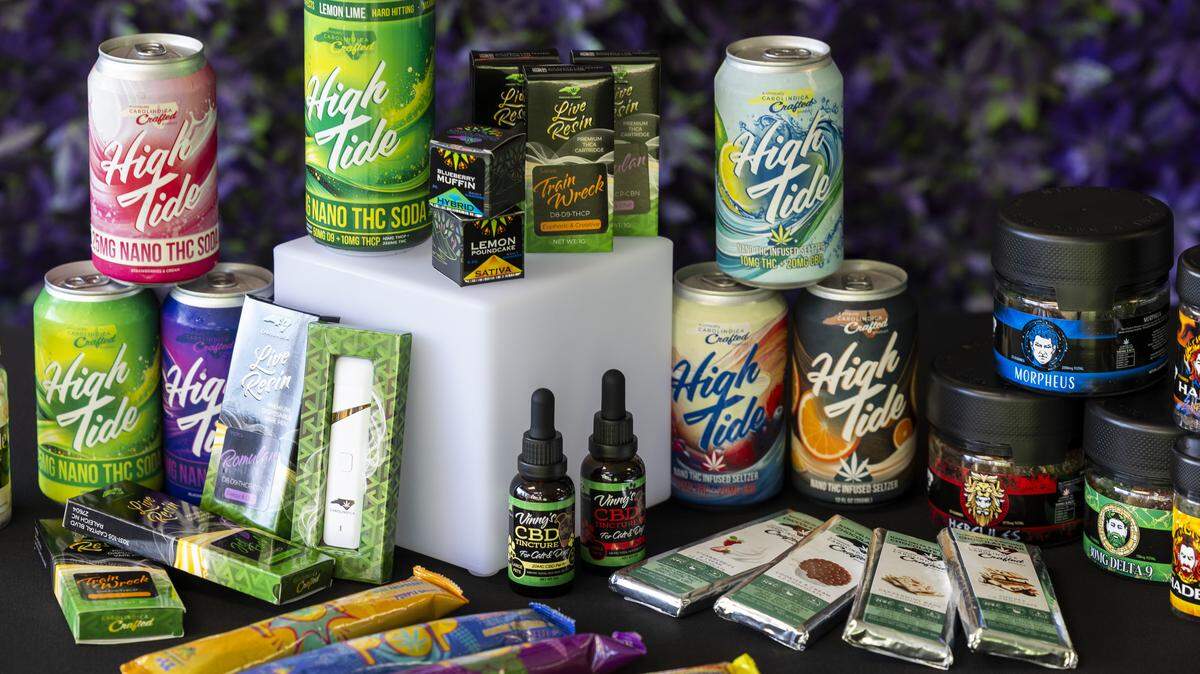
Gov. Josh Stein’s new committee on cannabis just released its first report, and it gets a few things right.
The first thing it has correct is the diagnosis. North Carolina does indeed have a problem on its hands. Stein calls it the “Wild West” out there when it comes to cannabis, and it’s a pretty apt description.
Marijuana remains illegal in North Carolina, but hemp is legal. Over the last several years, that’s become essentially a distinction without a difference. The result is a booming market for products that can absolutely get you high while still being sold as legal under state law, sometimes even to children.
The Advisory Council on Cannabis is also right about the urgency. The state has reached the point where it needs to choose a direction.
Where it goes wrong is in the conclusion. Stein’s bipartisan panel looks at this muddled market and decides the only viable answer is full marijuana legalization.
It’s a false choice and the wrong answer. And it ignores the real question, which is not especially complicated: Would legalizing marijuana make North Carolina a better place to live?
The wrong answer
We got here in fits and starts, but mostly through the rapid growth of a commercial market for intoxicating cannabis products. Marijuana and hemp come from the same plant, with the legal distinction turning on chemical thresholds and other technicalities. Companies have gotten very good at exploiting those gray areas. The line may still matter in statute books, but in practice it has become harder to explain and harder to police.
For years, marijuana advocates pushed medical marijuana as the narrow, compassionate option. It was a smart strategy, and it came close to working. In previous legislative sessions, the effort has passed the state Senate but stalled in the House.
There are likely enough votes in the House to legalize marijuana if Democrats are included in the count, but Republican leaders have generally resisted moving major legislation without support from a majority of their own caucus. They have not wanted to rely on Democrats to carry bills. In 2023, a medical marijuana bill came just a few votes short.
Stein’s new panel includes Republican supporters of marijuana liberalization such as Sen. Bill Rabon and Rep. John Bell, and it signals a change in tactics. Instead of a direct legislative fight, the issue now comes wrapped in a more polished process, complete with expert panels, public-health language, and bipartisan participation.
Politically, that is smart. It makes the next step feel less like a push for legalization and more like the sober conclusion of a serious review. Generally, I believe in persuasion, consensus-building and compromise.
But a collaborative process can still end in the wrong place. Here, it is being used to revive the same old argument in a more respectable form.
The better choice
The argument taking shape now is that North Carolina has only two options: keep the current mess or legalize and regulate marijuana and the broader cannabis market.
That framing leaves out the obvious alternative. North Carolina can decide the hemp loophole was a mistake, that the blurred lines have gone too far, and that the answer is to restore a clear prohibition and enforce it. New federal restrictions taking effect in November 2026 will close much of the hemp loophole anyway. That should push North Carolina toward enforcement, not surrender. If the loophole is being shut, the answer is to restore a clear ban, not to rush into legalization.
That approach has less cultural momentum and fewer business interests behind it. It does not promise lawmakers a new stream of tax revenue that might spare them harder debates over spending and tax policy. It is plainly the less fashionable position.
It’s still the right one.
Legalizing marijuana would not simply clean up a regulatory mess. It would make North Carolina a more vice-tolerant place. It would normalize more drug use, expand access, create more commercial pressure and push the state further toward treating intoxication as just another consumer product.
That may make me sound like an old fuddy-duddy. On this issue, I probably am.
But I still think there is value in asking whether a policy makes family life, public order and everyday community standards stronger or weaker. I can see how it makes the regulatory framework tidier. I do not see how marijuana legalization makes North Carolina a better place for families to raise children or for communities to hold the line on basic standards.
That is the question lawmakers should answer. Not whether legalization is inevitable. Not whether it polls well. Not whether it offers a cleaner regulatory model.
The choice before lawmakers is not chaos or legalization.
It is order or surrender.
Contributing columnist Andrew Dunn is the publisher of the Longleaf Politics newsletter, which offers thoughtful analysis of North Carolina politics and policy from a conservative perspective. He can be reached at andrew@longleafpol.com.