Charlotte City Council faces a big deadline on data centers | Opinions
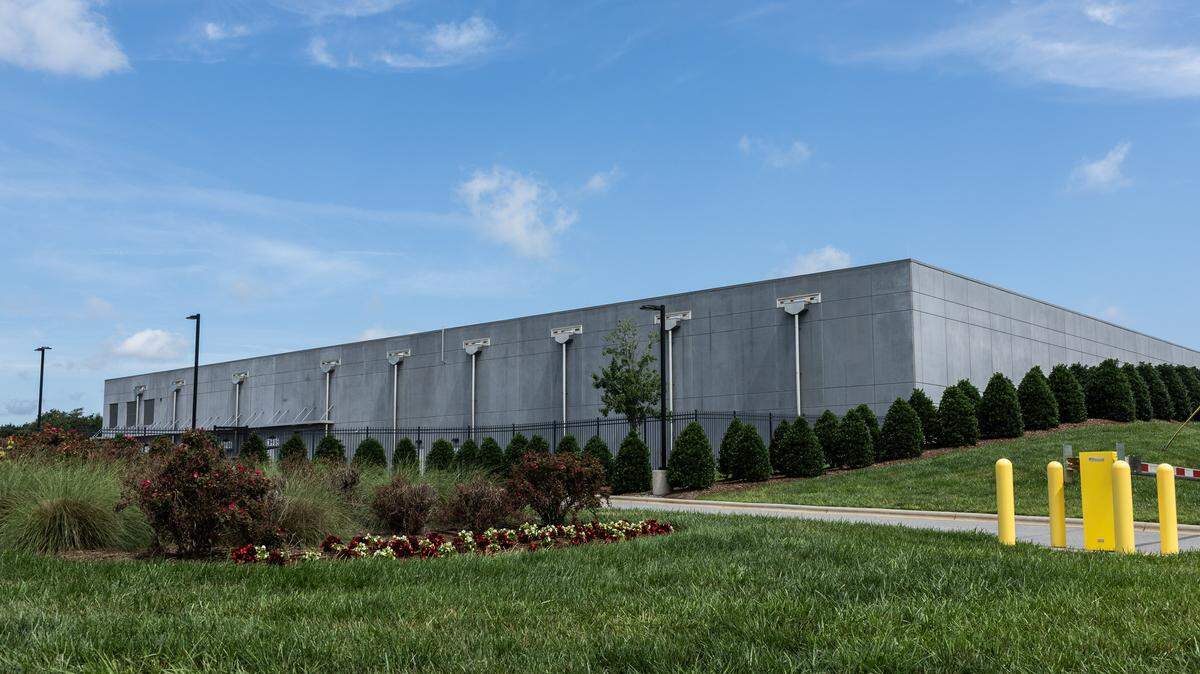
Last week’s City Council discussion made clear that Charlotte is entering a critical phase in how it approaches data centers. The questions raised by residents and elected officials are real and deserve thoughtful answers. A recent op-ed by state legislators rightly highlighted how the industry is evolving on key issues like energy, water and noise. We agree with that assessment. Technology is improving. Best practices are emerging. And the conversation is moving in the right direction.
But Charlotte now has a more immediate challenge. With Council set to revisit this issue on May 11, the city has a short window to move beyond coalition angling and into a clear, local approach.
The real issue is not stopping data centers. The real issue is stopping bad data center projects while unlocking the community benefits of good ones.
That distinction matters. Not all projects are the same, and not all developers approach communities with the same level of responsibility. Some projects have created legitimate concerns in other places, particularly around energy costs and quality of life. That is exactly why Charlotte should not default to blanket opposition or broad pauses. Instead, it should define what good looks like and require it.
The next two weeks should be used productively. Council, staff, industry participants and community stakeholders should align on a few core questions before May 11. On energy, the focus should be clear. Communities should ensure that projects are structured so that the developer pays for the infrastructure they require, minimizing the risk of cost shifting to residents. On water, the conversation should reflect how quickly cooling technology is advancing, with modern closed-loop approaches significantly reducing or eliminating consumption compared to older designs. On noise, expectations should be set upfront, with enforceable standards and proven design solutions that protect nearby neighborhoods.
These are not abstract debates. They are measurable, solvable issues that can and should be addressed through the way projects are structured.
At the same time, there is a critical piece of this conversation that has not received enough attention.
What does the community actually get?
Too often, the benefits of data centers are described in broad economic terms that do not resonate locally. Residents are not asking about national GDP impact. They are asking how a project improves their neighborhood, their schools and their quality of life. That is where Charlotte has an opportunity to lead.
There are already examples in North Carolina of what this can look like when done right. Apple’s data center in Maiden, a small town of fewer than 4,000 residents, has become a meaningful source of local investment. Apple paid roughly $10 million in local taxes in 2024 alone, helping fund a new town hall and fire station while allowing the town to reduce its tax rate. That kind of outcome does not happen by accident. It reflects a project that was structured to deliver long-term value to the community, not just upfront investment. It also shows what is possible when local leaders focus less on whether a project should exist and more on how it is designed to benefit the people who live there.
Community benefits should be part of the playbook. That can include investments in parks and public spaces, workforce development programs that connect local residents to technical careers, support for schools and infrastructure improvements, and expanded digital access in underserved areas. These outcomes do not happen automatically. They must be negotiated and clearly defined before a project moves forward.
This is also why a moratorium is the wrong approach. It may feel like a way to create space for more information, but in practice it removes the city’s ability to shape outcomes. It treats all projects the same, regardless of how well they are designed, and eliminates the incentive for developers to meet higher standards. It also sends a signal of uncertainty at a time when investment decisions are being made quickly across the country.
Charlotte does not need to choose between growth and community protection. It needs to be more precise in how it evaluates and structures projects.
That brings us back to May 11.
If the next council discussion is simply another open-ended conversation, the city will remain in the same place it is today. If it becomes a debate about whether to pause everything, Charlotte risks losing both momentum and leverage. The goal instead should be to leave that meeting with a clear framework.
That framework should answer a few simple questions that staff can use as their north star. What standards must every project meet on energy, water and noise? What expectations will be set around community benefits? And how will the city evaluate proposals consistently going forward?
Answering those questions does not require years of study. It requires focus, coordination and a willingness to move from reacting to leading.
Charlotte has a chance to set a standard that other cities will follow. The path forward is not to say yes to everything or no to everything. It is to define a playbook that rewards responsible projects, filters out the rest and ensures that communities see real, tangible benefits.
The work to do that should start now.
Democrat Larken Egleston and Republican Tariq Bokhari are former members of Charlotte City Council.