The NAACP said Charlotte should appoint a Black mayor. Why the meltdown? | Opinion
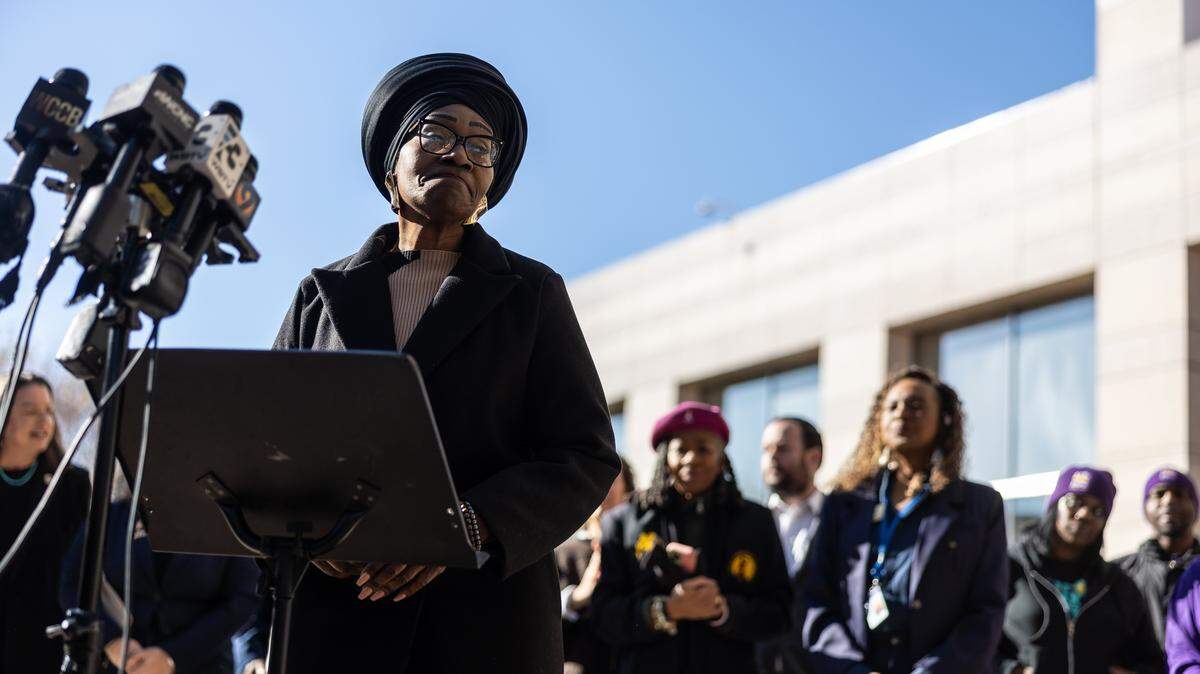
In a recent Facebook post, the Charlotte-Mecklenburg NAACP called for city leaders to appoint a Black interim mayor after Vi Lyles steps down at the end of June.
“If the City Council votes a non- Black person in as interim Mayor again ... voters will hold you accountable next year,” the post said.
The post also noted that it was “seriously disturbing for white folks to be lobbying” to be appointed to the position “while Black representation is being undermined and stripped nationwide.”
The remarks have since spiraled into a larger controversy online, drawing outrage from people who have called it “racist” and “toxic.” It’s even caught the attention of Fox News. But the outrage largely misses the point of the post, which isn’t that a white person can’t be mayor of Charlotte. The point is that voters in Charlotte elected a Black mayor, so the interim appointment should reflect that choice until voters have the chance to weigh in again.
Charlotte-Mecklenburg NAACP President Corine Mack, who authored the post, has since told media outlets that it stemmed from concerns that Black representation in government could be undermined after the U.S. Supreme Court decision weakened the Voting Rights Act in a ruling last month.
“All over the country, Black representation is being stripped,” Mack said in an interview with WCNC Charlotte. “Because of that, my position is it would not be a good look for us to give a seat that originally was a Black woman’s seat, that we duly elected in the Charlotte-Mecklenburg area, to a white person at this time.”
Whether that’s the right position is a different conversation that requires more nuance than either side is acknowledging. But it’s obviously not the same as saying “Charlotte having a white mayor is bad.”
Yes, city leaders should appoint an interim mayor based on merit, not just race. Obviously, qualifications matter. Was there a better way for Mack to make her point that didn’t elicit such a strong reaction? Probably. There is value in identity politics, but it can also be incomplete, because descriptive representation is not the same thing as substantive representation. We shouldn’t discourage any qualified candidate from raising their hand for the job or council members from considering them. City leaders should do their due diligence and thoroughly explore all possible options before settling on one. But it’s not shocking or racist for an NAACP president to advocate for a Black replacement for a Black mayor, and that’s the point that people seem to be missing.
It’s also true, however, that Mack’s concerns about the Supreme Court ruling aren’t exactly relevant to Charlotte. Yes, redistricting across the South could erode a large portion of Black representation in Congress and state legislatures. If Alma Adams, for example, resigned from Congress tomorrow, it would make sense for Democrats to nominate another Black man or woman in her place. But city government is a different landscape, one that isn’t suffering from a lack of Black representation. There’s a strong Black majority on Charlotte City Council, including three out of the four at-large seats. The city manager is Black, too, and council members and the city manager have more power than the mayor.
Ultimately, the outrage about the NAACP’s statement makes it into something bigger than it really is: the opinion of one leader in a city that has many. Mack and the NAACP don’t speak for everyone, nor do they have to, because the NAACP is an advocacy organization. Other leaders and groups also have a voice, and our elected officials can then decide what’s fair and right for everyone.
Deputy Opinion Editor Paige Masten is covering politics and the 2026 elections for The Charlotte Observer and The News & Observer.