What past presidential approval in NC says about Trump and the midterms | Opinion
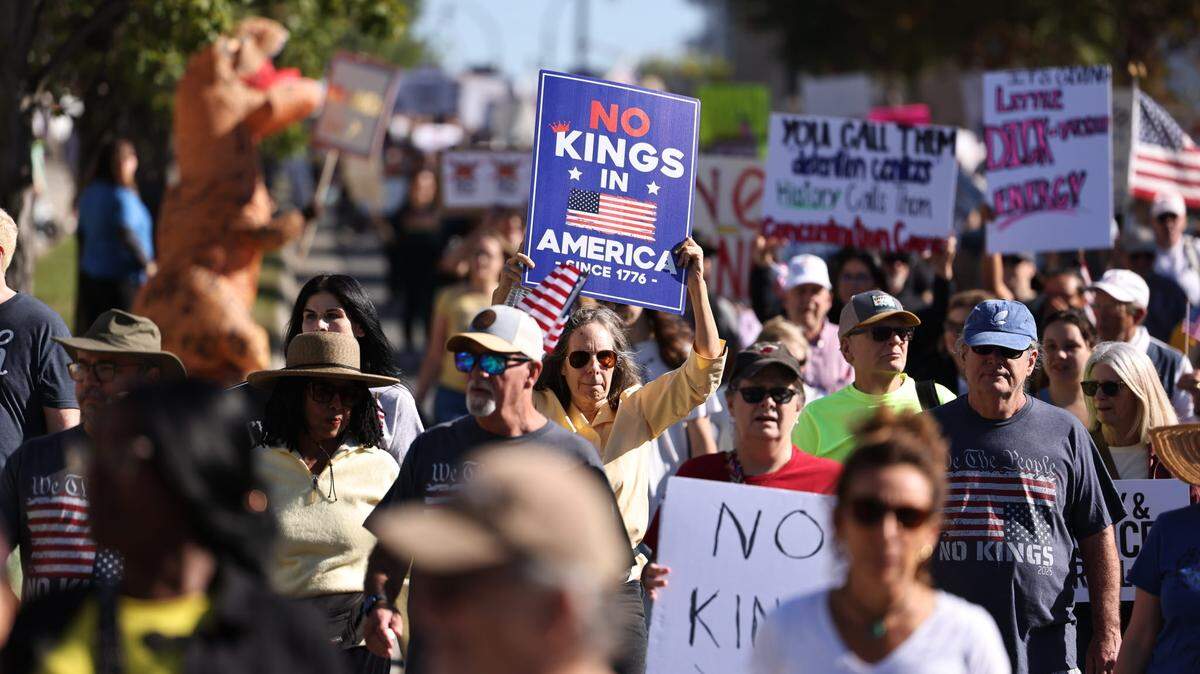
Democrats’ prospects in the 2026 midterms continue to benefit from dissatisfaction with Donald Trump. Nationally, the president’s approval rating is hitting new lows. He’s faring worse than most of his predecessors ahead of their own midterm elections, further adding to Republican concerns.
In North Carolina, the most recent polling shows Trump with 41.5% approval and 56.6% disapproval, giving him a net approval rating of about -15. Another poll released last month showed him with a net approval rating of -20. It’s his lowest recorded approval rating in his second term so far, though not quite as low as in 2017, when his net approval in North Carolina bottomed out at -24.
But how does this compare to past presidents, and how did their approval ratings affect midterm outcomes? I analyzed presidential approval ratings in North Carolina going back to the 2014 midterms, and the findings aren’t good news for Trump.
Midterms and presidential approval
2014: Heading into the 2014 midterms, Barack Obama had a net approval rating of -15 in North Carolina, with 40% approval and 55% disapproval in October 2014. That year, Democratic U.S. Sen. Kay Hagan lost her reelection bid to Thom Tillis, ultimately helping Republicans regain a majority in the chamber. Hagan ran a near-perfect campaign but ultimately succumbed to the unfavorable political environment. In the General Assembly, Republicans lost a small number of seats in the House but kept their supermajority, and gained a seat in the state Senate.
2018: The 2018 midterms are a useful comparison for 2026, and not just because it was the last midterm cycle with Trump as president. It was also the last midterm cycle with a president that had won North Carolina two years prior. In the days leading up to Election Day, Trump’s net approval rating in North Carolina was -8, with 42% approving and 50% disapproving of his job performance. 2018’s blue wave wasn’t quite as pronounced in North Carolina, but it was still a good night for Democrats. They broke the Republican supermajority in the General Assembly for the first time in six years and flipped a seat on the state Supreme Court. There was no U.S. Senate election on the ballot that year.
2022: While expectations of a red wave failed to materialize at the national level, that wasn’t the case in North Carolina. Hindered by the unpopularity of Joe Biden, who had a net approval rating of -19, Democrats lost the U.S. Senate race, handed Republicans a virtual supermajority in the state legislature and lost all six statewide judicial races, losing control of the state Supreme Court.
What it could mean for 2026
Trump is already more unpopular in North Carolina than he was in 2018, and he’s on track to be more unpopular than Obama in 2014 and as unpopular as Biden in 2022. He still has time to try to improve his approval rating in North Carolina before November, but the fact that it’s so low in a battleground state he won three times is significant. If it remains low, or worse, continues trending downward, the 2026 midterms could be worse for Republicans than 2018, when Trump wasn’t as unpopular in North Carolina as he was nationally.
Recent election cycles have been successful for Republicans in North Carolina, but they haven’t faced headwinds this strong in quite some time. The decline in Trump’s approval rating has been accompanied by polling gains for Democrats up and down the ballot. While gerrymandering may keep Republicans from losing too many legislative and congressional seats, they could take a beating in statewide races. That’s especially true in the U.S. Senate race, where Republican Michael Whatley has tethered himself tightly to Trump.
Deputy Opinion Editor Paige Masten is covering politics and the 2026 elections for The Charlotte Observer and The News & Observer.