New poll shows how NC voters’ affordability concerns could influence midterms | Opinion
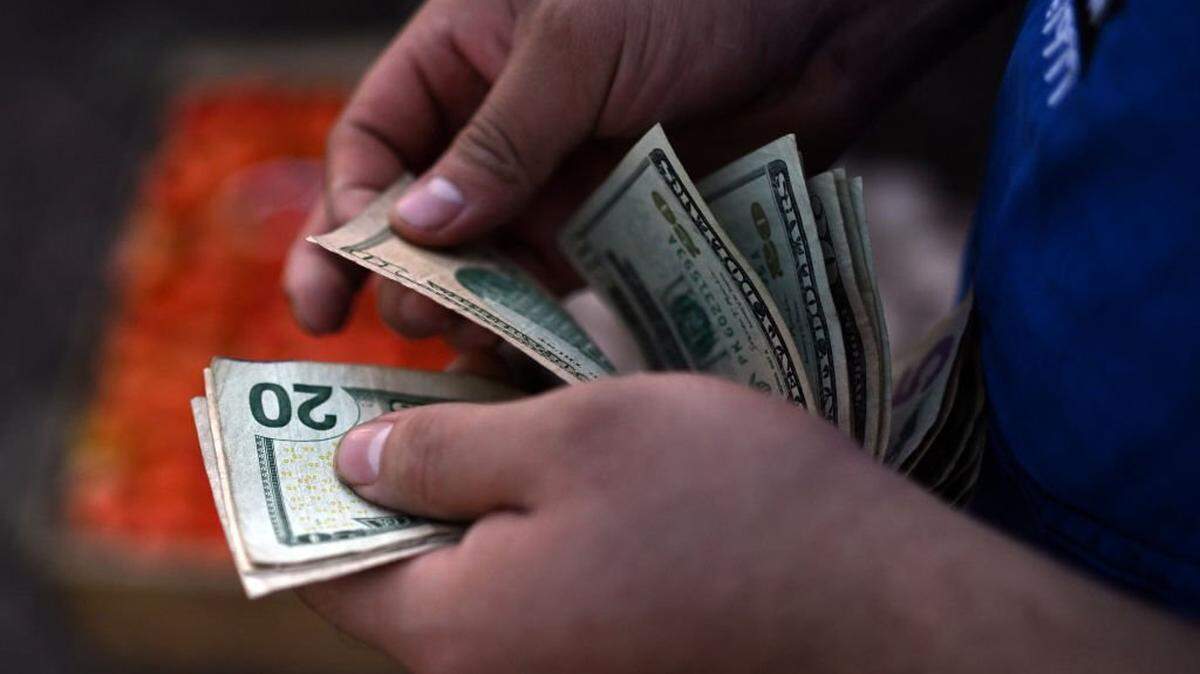
Affordability is one of the biggest issues looming over November’s midterm elections, as voters across the country struggle with the rising cost of living and have negative perceptions of the economy overall.
A new survey from Catawba College and YouGov shows that the issue is top of mind for North Carolinians as well. More than half of North Carolinians say they’re having difficulty affording their monthly expenses, and nearly three-quarters say rising prices have caused them to cut back on regular purchases in the past month, according to the survey.
The latter is a significant increase from January, when just under two-thirds of North Carolinians said they were cutting back on regular purchases due to rising prices.
Gasoline, housing, health care, groceries and utilities were among the expenses that majorities of North Carolinians view as unaffordable. Housing and health care were the only areas of improvement since January, though 60% of voters still view them as unaffordable.
So how could this impact November’s election?
There’s a clear divide between the candidate preferences of those with affordability concerns and those without, the survey found. Overall, affordability concerns seem to be correlated with support for Democrats, including in North Carolina’s high-profile U.S. Senate race.
Among those who reported difficulty affording their monthly expenses, Roy Cooper led Michael Whatley 50% to 28%. Nearly 20% said they remain undecided. Findings were similar among those who say they’re facing some level of financial pressure and those who believe the average American is having difficulty affording basic goods and services right now.
Meanwhile, Whatley had the most support among those who do not seem to believe affordability is an issue at all. Even among those who say they have not had difficulty affording monthly expenses, Cooper has a slim 2-point lead. But Whatley leads among those who report low financial pressure, those who have not cut back on purchases and those who don’t believe it’s difficult for the average American to afford things right now. However, those groups fall in the minority of their respective categories.
Those dynamics also exist further down the ballot. Voters who reported financial difficulties were more likely to favor Democrats over Republicans in U.S. House and N.C. House races. Similarly, there was also a correlation between affordability struggles and approval of President Donald Trump. Those who reported having financial difficulties or facing financial pressure were much more likely to disapprove of Trump.
Interestingly, independent voters showed the highest levels of concern regarding the affordability of expenses like gas and groceries. Independents were also more likely than Democrats and Republicans to say that affording basic goods and services is difficult for the average American right now — more than three-quarters of them believe that’s the case. That could be significant in a swing state like North Carolina, where unaffiliated voters can influence the outcome of close races.
While correlation does not necessarily equal causation, the survey confirms the belief that affordability concerns will be a difficult hump for Republicans to overcome in November. A focus on inflation and affordability helped propel Trump and his party to victory in 2024, but they find themselves in the opposite position now. So far, the strategy of Trump and allies like Whatley has been to downplay economic concerns and insist that the economy is better and stronger than voters perceive it to be. That didn’t work for Democrats in 2024, and it’s unlikely to work for Republicans now.
Deputy Opinion Editor Paige Masten covers politics and the 2026 elections for The Charlotte Observer and The News & Observer.