
Democrats' approach on the national debt is bad. Republicans' might be even worse
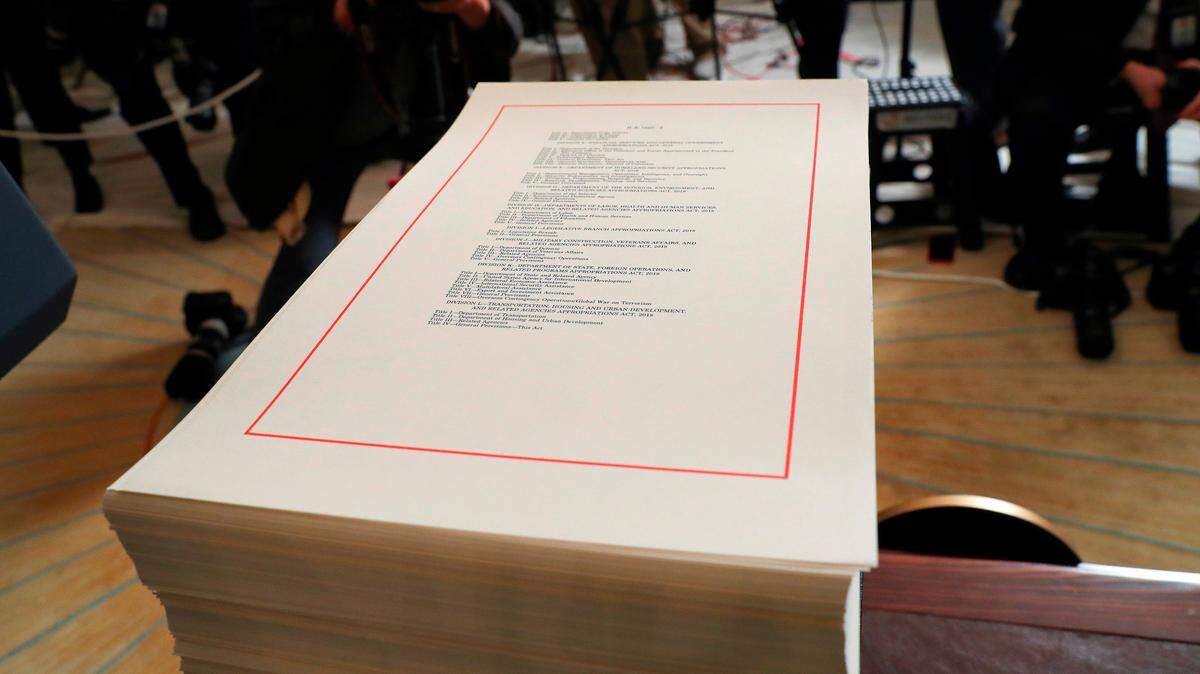
Republicans and Democrats have never been further apart, it seems, except on one thing: their willingness to spend more than they take in. The United States is spending about $114 million more than it receives in taxes – every hour, 24 hours a day. Neither party, including the one that runs on fiscal conservatism, has the guts to stem the red ink tide.
The nonpartisan Congressional Budget Office released its latest long-term budget outlook last week. Its findings were even more alarming than these reports usually are.
The federal debt as a percentage of the economy is the highest (at 78 percent) it has been since 1950. Within 10 years, it will be at 96 percent of the economy, the CBO predicts. Six years later, in 2034, the nation’s debt-to-GDP could set an all-time record, surpassing 106 percent. By 2048 it will hit 152 percent, “the highest in the nation’s history by far.”
These numbers are all worse than the CBO’s previous figures. A big factor accelerating our freefall into insolvency? The tax cuts Republicans enacted last year. Those tax cuts weren’t the biggest of all time, as Donald Trump claimed, but they were big, and they are now forcing us to borrow more money to cover our needs.
So to recap: A Republican House and a Republican Senate passed multi-trillion-dollar tax cuts that were signed into law by a Republican president. The result will be years of trillion-dollar deficits, because spending is not dropping to offset the reduced tax collections; it is actually rising quickly.
This is the party of fiscal conservatism? Republicans rail against government spending but do nothing to slow it. Then they cut taxes at the same time, piling on more debt.
To be sure, the Democrats are no better at reducing spending. But if you’re concerned about mounting deficits and debt, perhaps tax-and-spend is more responsible than don’t-tax-and-still-spend?
Here’s why you should care: As the debt grows, so does the cost of paying the interest on it. Before long, it will be the biggest item in the budget, sucking up money that could go to actually useful things. It also threatens to spark inflation, slow the economy and, the CBO says, “increase the likelihood of a fiscal crisis.”
Perhaps the biggest debt driver is the anticipated growing cost of Social Security and Medicare as the population ages and life expectancies climb. Reforming those is politically difficult and could hurt the elderly if not done right, but essential to getting a handle on budgets.
Voters should demand that candidates this fall address the debt question. If they suggest they can reduce deficits without either reforming entitlements or raising taxes or both, be highly skeptical.
In the 9th District, Democrat Dan McCready and Republican Mark Harris each told the editorial board Friday that he supports a balanced budget amendment. McCready also mentioned ending special interest tax breaks and allowing Medicare to negotiate drug prices with pharmaceutical companies, among other things. Harris said he wants to cut spending, among other things. Voters should seek more details as the campaign unfolds.
This story was originally published July 6, 2018 at 5:25 PM.