
Why you pay more for booze in North Carolina than you should
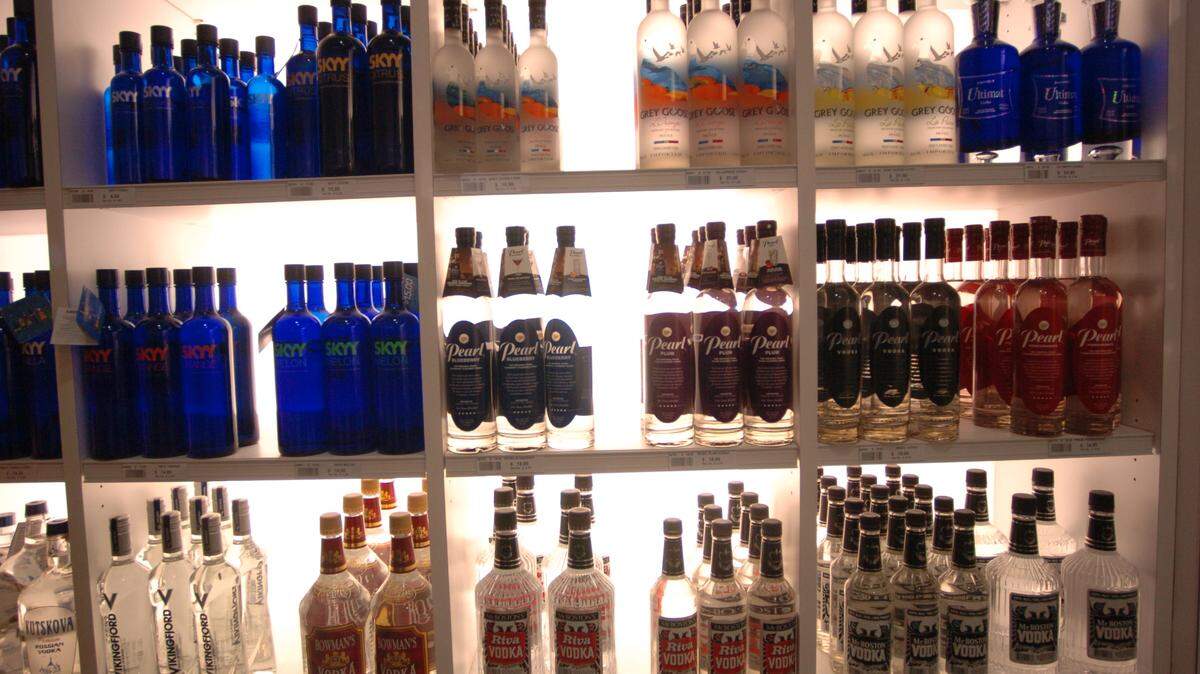
If some of the most egregious state government waste of the past decade isn’t enough to make you consider the benefits of killing North Carolina’s monopoly on liquor sales, maybe this will be: You are paying more than you should for your booze.
North Carolina’s relentless grip on liquor sales has been in place with very few changes since 1937, shortly after the end of Prohibition. The system is inefficient, interferes with the free market, raises prices, limits selection and makes buying alcohol inconvenient. The legislature can and should create a new system of licensed, private liquor stores that fixes all of that.
Rep. Chuck McGrady, a Republican from Hendersonville, plans to introduce a bill in the next General Assembly session that would end the state’s monopoly. Details are still to come and will be based in part on a new study from the legislature’s research division expected in coming months.
Why should North Carolina get out of this billion-dollar business?
“I don’t think – even with a monopoly – the state does it very well,” McGrady told the Observer editorial board on Monday. “The thought here is the private sector ought to be able to lower the prices and work the system more efficiently if we can get government out of the monopoly.”
State Auditor Beth Wood released a scathing audit of the Alcoholic Beverage Control Commission this month and said the agency was guilty of some of the most flagrant mismanagement she has seen in nine years in office.
The ABC Commission has wasted more than $1 million a year almost every year since 2009 through poor handling of contracts, Wood found. The chief administrator, McCrory appointee Bob Hamilton, quit or was fired on July 26, the NC Insider reported. The problems go back to at least 2004, Wood said.
North Carolina is one of just seven states that controls all retail functions of liquor sales and the lone state that appoints local boards to operate retail stores. Liquor prices are about 7 percent higher in control states, studies have found, and the Tax Foundation has said that the average tax on a gallon of liquor is about double in control states what it is in privatized states. Sell licenses to private liquor stores and prices should drop.
McGrady says he is upbeat about the possibility of change coming to the ABC system, including internal reforms, now that Hamilton is out.
But if the General Assembly is to truly modernize alcohol sales in North Carolina, it will have to overcome special interests that benefit from the current system. Those include ABC employees and local ABC board members, as well as state and local governments and school systems that receive tax revenue from liquor sales. Dismantling the ABC control system doesn’t have to endanger that revenue though; done right, it could even increase it.
So let’s raise a glass to Wood for uncovering extreme waste in the system, and to McGrady for working to create a better approach.