
An uncomfortable question about the sheriff
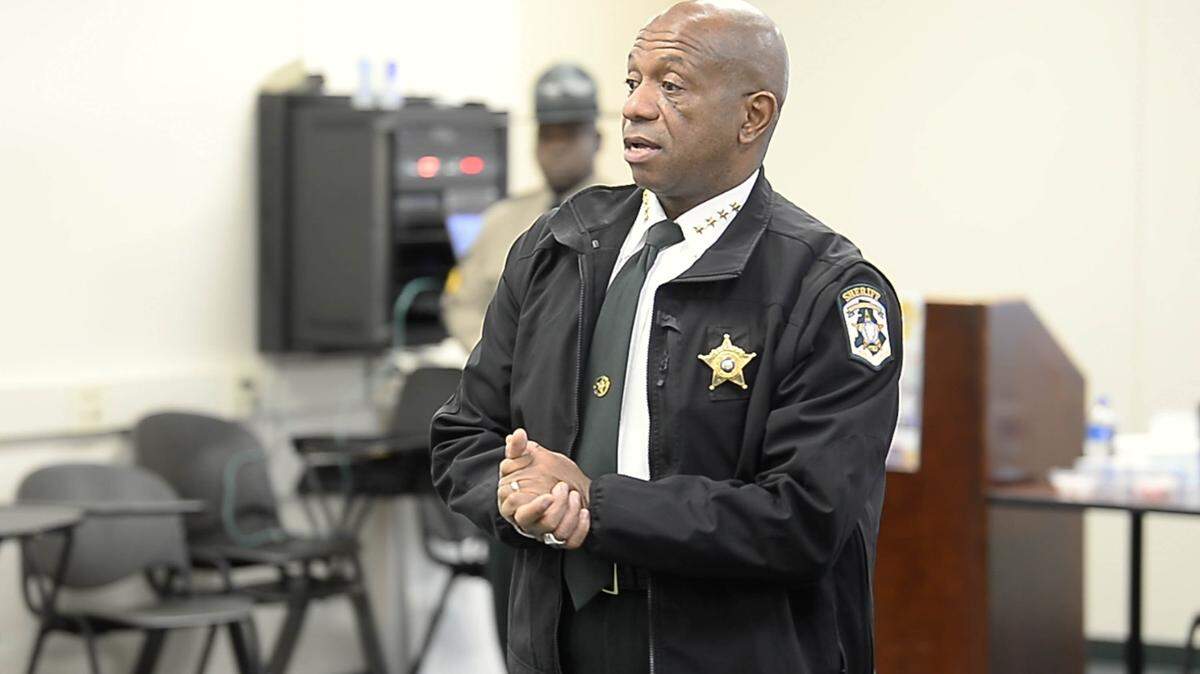
Did the Observer editorial board say that black Mecklenburg Sheriff Garry McFadden was uppity in an editorial last week? That wasn’t our intent. Would we rather he be quieter than speak the truth and stir things up? That’s an uncomfortable question — and a good one.
I took the lead on that editorial, which was published online Friday and in print Sunday, and I consulted with other editorial board members before and after it was written. In it, we warned that the sheriff might be letting his ambition and his ego get in the way of his effectiveness. In part, that stemmed from how he handled a speeding ticket operation in Cornelius, a wealthier and whiter town in the northern part of the county. McFadden conducted the operation just 90 or so minutes after notifying town officials and police, which is unusual. When the Cornelius town board asked him about that, he told commissioners he believed privilege was at play in their question. We called that “a flammable accusation.”
To be clear, the editorial said it was not wrong for McFadden’s deputies to be pulling people over in Cornelius. It also encouraged the sheriff to pursue the bold vision he has for the department, and it knocked Cornelius town officials for being haughty in calling the “urban sheriff,” as they appeared to see him, on the carpet. But: McFadden could have handled things better, we said. For some readers, that landed as the Observer calling the sheriff uppity.
This editorial board has long called out public officials when their personalities undermine how effective they are in their job. That goes for men and women, Republicans and Democrats, whites and blacks. We know it’s not nearly that simple, though. Criticizing whites for not playing nice in the structure they largely control is different than criticizing people of color for similar behavior in a structure that has long worked to control them.
Most recently, along with McFadden, we were critical of Charlotte City Council member LaWana Mayfield for a tweet in which she called police homegrown terrorists wearing blue uniforms. Were we calling them out because they were black? I don’t believe so. But while we’ve long decried racism in our editorials, we also need to regularly examine the racial lens through which we view and say things.
Sometimes, readers give us a nudge in that direction. Here’s one: A reader and Twitter follower was curious about the “flammable accusation of privilege” that raised our eyebrows with McFadden. Asked the reader: What if that flammable accusation was true?
The editorial argued that even if it was, it didn’t need to be said. That’s an argument the white establishment often makes, that we need to smooth the edges of our conversations if we’re to move forward and accomplish things together.
But the powerful counter-argument is that we haven’t really accomplished much, thank you. For change to actually happen, we need to be uncomfortable. We need to call out privilege, so that all of us can look inward and backward at the systemic and structural pieces that led to and reinforce the inequity we have today.
It’s not a new argument — change agents have been rightly making it for decades. Often the establishment resists it. Sometimes it responds: “Let’s work in a civil way to change things.” Yes, this editorial board is part of that establishment, and we still believe working together within the structures and systems we have is our best hope for progress. But we also can be pointed and impatient for change, and we value those who make us uncomfortable. Especially about ourselves.