
Don’t wait on sports to do the right thing with coronavirus, North Carolina
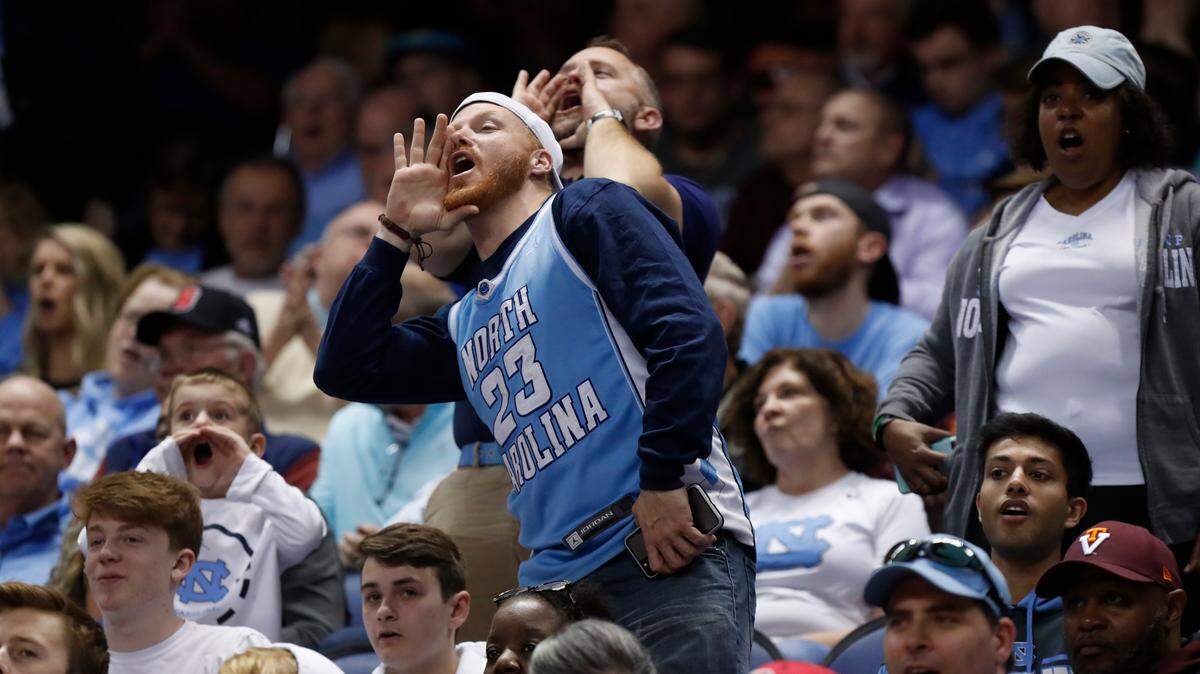
It’s probably not time yet for North Carolina or its municipalities to forbid fans from attending sporting events because of the Covid-19 virus, but that moment may be coming soon. If it does, our state and local governments shouldn’t leave it to sports teams and organizations to make the difficult but right call.
From pro sports to college to high school athletics, officials are facing the same question as the rest of us these days: When is it safe to do what’s normal? In sports, as most everywhere, the answer is becoming more difficult. NBA teams are considering moving games to cities with lower numbers of infections. High schools across the country, including in North Carolina, have state championship events to consider this week and weekend.
Some sports officials are playing it safe. The NCAA decided Wednesday to hold its men’s and women’s basketball tournaments without fans - as did more major conferences (including the ACC) on Wednesday - and the Ivy League canceled its basketball tournaments and spring sports season outright. But some events are being held as normal, and at least some colleges and public school systems, officials are making choices that may be inconsistent with their overall approach to Covid-19.
On Tuesday, Duke University joined other schools in moving classes online, canceling campus events and telling students to stay home. But in its announcement, the school said “further guidance on athletic events will be forthcoming,” suggesting that teams may continue to play. Similarly, Charlotte-Mecklenburg Schools announced Tuesday that all travel for students and staff would be suspended because of Covid-19 concerns. But with sports, CMS said it was talking to other large districts and is “awaiting guidance from the North Carolina High School Athletic Association about next steps.”
Certainly, it can be a painful call. No college president or superintendent wants to tell athletes they can’t play, and no government official wants to tell a pro sports team, whether its the Hurricanes in Raleigh or Hornets in Charlotte, that they have to close doors to fans and lose revenue on remaining home games.
But such decisions might not only soon be prudent, but necessary. Restricting gatherings such as sports events helps protect against coronavirus spread and the sudden explosion of illness that epidemiologists fear might overwhelm the health care system. Tom Frieden, the former director of the U.S. Centers for Disease Control and Prevention, recommended this week that geographic regions experiencing community transmission should immediately cancel large gatherings. “Making that hard decision now could mean the difference between thousands and tens of thousands of infections in a community,” he wrote.
Some government officials aren’t waiting for sports to make that call. California’s Santa Clara County has banned gatherings of 1,000 people or more, including San Jose Sharks NHL games. Washington Gov. Jay Inslee is banning gatherings of 250 or more in Seattle and surrounding counties. Ohio Gov. Mike DeWine announced earlier Wednesday that he would issue an order that would ban fans from NCAA tournament games in Cleveland and Dayton.
We hope sports don’t need that nudge in North Carolina, and we don’t believe most sports officials and school leaders intend to be cavalier with the health of fans and students. But if other considerations cause some in our state to move too slowly, Gov. Roy Cooper and municipal leaders should be ready to step in.
BEHIND THE STORY
MOREWhat is the Editorial Board?
The Charlotte Observer and Raleigh News & Observer editorial boards combined in 2019 to provide fuller and more diverse North Carolina opinion content to our readers. The editorial board operates independently from the newsrooms in Charlotte and Raleigh and does not influence the work of the reporting and editing staffs. The combined board is led by N.C. Opinion Editor Peter St. Onge, who is joined in Raleigh by deputy Opinion editor Ned Barnett and in Charlotte by deputy Opinion editor Paige Masten. Board members also include Observer editor Rana Cash and News & Observer editor Nicole Stockdale. For questions about the board or our editorials, email pstonge@charlotteobserver.com.
This story was originally published March 11, 2020 at 9:55 AM.