
In NC, a sneaky step in the wrong direction on police reform
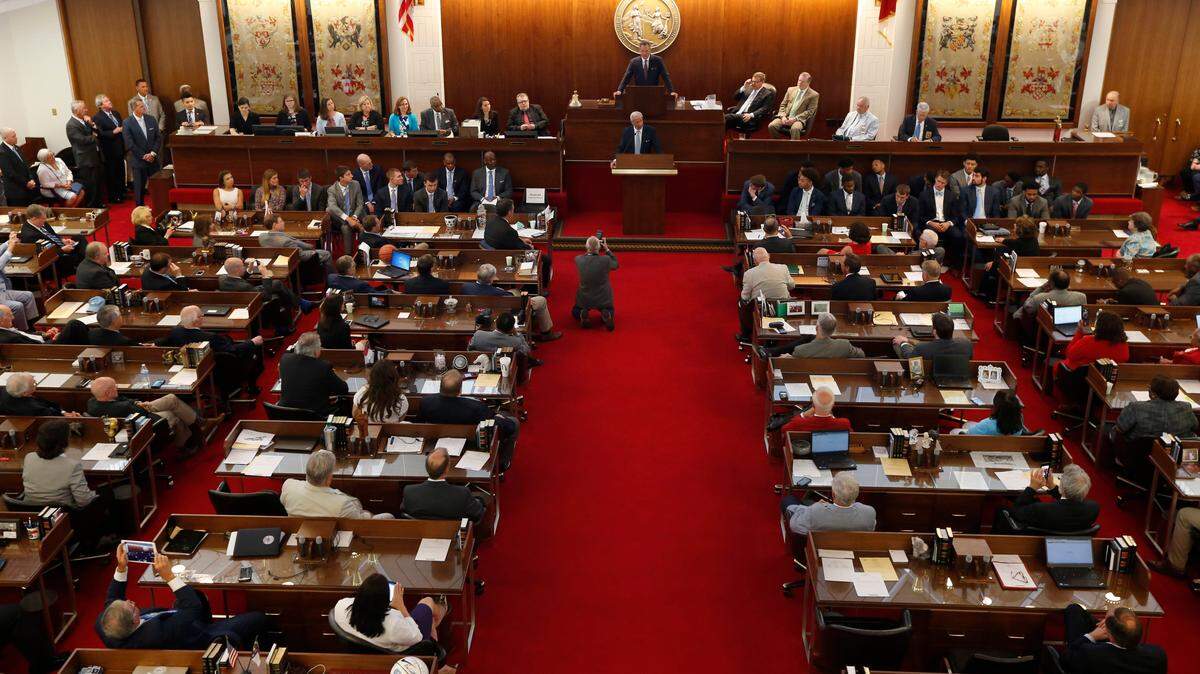
Update, 6/30: NC lawmakers say they plan to “revisit and correct” SB 168. Although the House and Senate passed the measure and sent it to Gov. Roy Cooper, lawmakers can recall the legislation with a joint resolution before the governor signs it. N.C. statute 130-33(d2) says that a bill can be recalled “before it has been acted upon by the governor.” The joint resolution would need to come within the 10 days the governor has to sign the bill, longtime former General Assembly official Gerry Cohen told the editorial board.
As officials in Washington and across the country explore meaningful steps toward police reform, North Carolina moved in the wrong direction late last week. In the final hours of the legislative session, lawmakers passed a bill with a provision that would shield death investigations records from the public. The bill, if signed by Gov. Roy Cooper, could have wide implications, and it certainly will make less transparent the investigations of deaths that occur when people are police custody.
Also troubling: The provision was tucked into what’s called an “agency bill” — a grab bag of technical measures that the Department of Health and Human Services wanted. That bill, SB 168, was then thrust before exhausted lawmakers at the end of the session’s final night. It’s bad governing that poorly serves North Carolina. At least one Democrat who voted for the bill, Mecklenburg Sen. Jeff Jackson, now believes the death investigations provision needs to be fixed. We agree.
Under N.C. law, deaths that occur in law enforcement custody, including in prisons or jails, are among the unnatural or unexpected deaths that must be reported to a county medical examiner. Records from law enforcement investigations are considered exempt from public records laws, but when those death investigation records are passed to the Office of the Chief Medical Examiner, they become public.
SB 168 would keep the records confidential even after the medical examiner gets them. State officials say the measure was meant to clarify that confidential records are meant to stay so. But that discrepancy is a good thing, not a loophole that needed fixing. The public should know what’s happening in prisons and jails, and law enforcement should not be able to keep records involving custody deaths private even when they reach an independent investigator.
SB 168 also raises questions about police bodycam, car and surveillance video. Current North Carolina law allows for such video records to be made public with a court order, but police could argue that those, too, are part of death investigations and are now protected under SB 168.
All of which might have been debated and reconciled had the death investigations provision been a standalone piece of legislation instead of a paragraph tucked into an agency bill. Instead, lawmakers were told that DHHS wanted the provision and that it was solely to “clarify existing authority.” What that meant wasn’t entirely clear to some, but given the late hour and a history of agency bills usually sailing through, lawmakers voted yes without giving it the discussion it deserved, according to two lawmakers who spoke to the Editorial Board.
Another lawmaker, Jackson, expressed some public misgivings later in the weekend. Citing media reports on SB 168, he said in a tweet Sunday night that lawmakers “need to fix this one.”
We applaud Jackson’s willingness to take another look. Lawmakers should have given it a closer glance the first time around, but at least some of the blame for that goes to DHHS for tucking something with significant implications into last-minute legislation. It’s possible DHHS officials didn’t recognize those potential consequences, but if they did, the move is reminiscent of the 11th-hour maneuvering of Republican lawmakers in recent years that Democrats have justifiably condemned. Said one lawmaker flatly: “Of course it shouldn’t have been in an agency bill.”
We hope the governor has similar misgivings when the bill reaches his desk. Cooper should veto SB 168, and lawmakers should make death investigations provision a separate measure that both chambers can properly examine. In the wake of George Floyd’s death, our country is showing a new willingness to address issues surrounding police and policy. Our state should be moving to make law enforcement more transparent, not less, especially regarding deaths of people in custody. Shielding such investigations is a mistake. The governor should fix it.
BEHIND THE STORY
MOREWhat is the Editorial Board?
The Charlotte Observer and Raleigh News & Observer editorial boards combined in 2019 to provide fuller and more diverse North Carolina opinion content to our readers. The editorial board operates independently from the newsrooms in Charlotte and Raleigh and does not influence the work of the reporting and editing staffs. The combined board is led by N.C. Opinion Editor Peter St. Onge, who is joined in Raleigh by deputy Opinion editor Ned Barnett and in Charlotte by deputy Opinion editor Paige Masten. Board members also include Observer editor Rana Cash and News & Observer editor Nicole Stockdale. For questions about the board or our editorials, email pstonge@charlotteobserver.com.
This story was originally published June 29, 2020 at 11:47 AM.