
Endorsement: Vote yes on Charlotte bonds - with a caveat
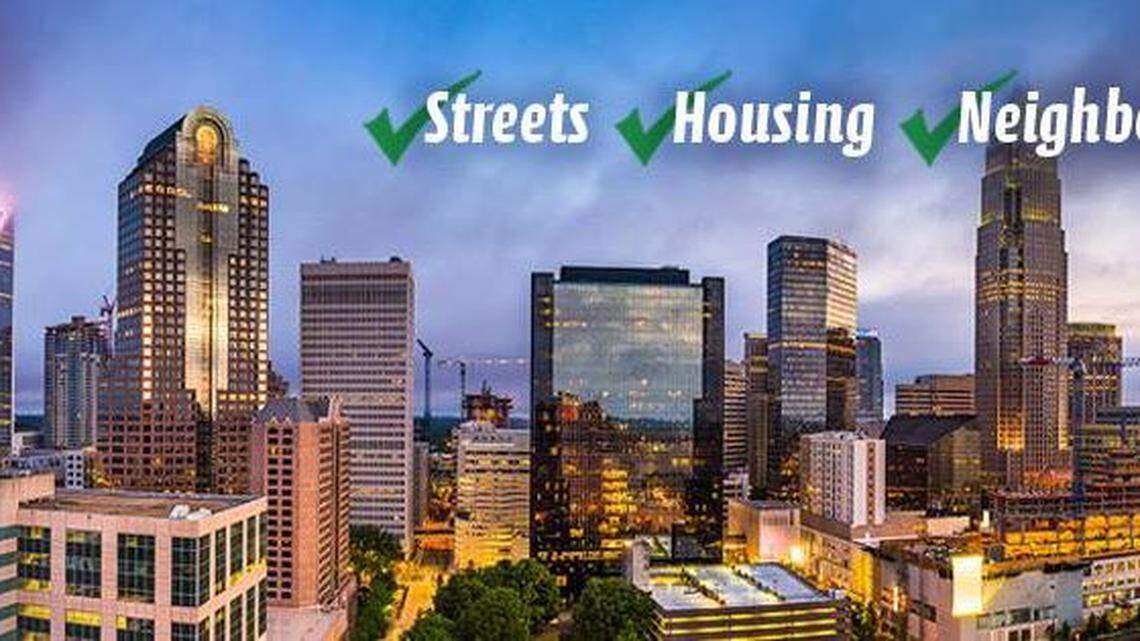
Bond referendums are perennially among the surest things on the Mecklenburg ballot. Voters usually give them the nod by a two-to-one margin or more - and that’s likely to happen again in 2020. There’s good reason. Bonds help cities with critical needs and improvements, and financing costs for the 2020 bonds are included in the city budget, which means they won’t increase property taxes.
This year’s referendum is the last of four since 2013, when the city projected capital needs for a decade. Voters will be asked to approve or reject three city bonds issues that total almost $200 million.
The largest is a $102.7 million transportation bond package that includes traffic flow and congestion-reducing projects in the Steele Creek, University City, and South Charlotte areas. The transportation bonds also would expand the city’s bicycle network, including improved sidewalk-bikeway connections along Independence Boulevard.
Voters also will vote on $50 million of bonds to finance affordable housing development and preservation. Voters approved a $50 million housing bond two years ago, and this next big ask reflects the city’s continuing commitment to an essential component of its economic mobility plan.
Finally, $44.5 million of bonds would finance neighborhood improvement projects that include sidewalks and bike lanes that connect neighborhoods with retail and other areas of employment. For more details about specific projects in all three bonds packages, visit www.charlottefuture.com.
We recommend voting yes on each bonds package. Charlotte continues to grow, and with that comes a ongoing need to maintain streets and sidewalks, housing and neighborhoods. Most importantly, while we applaud the city and others for moving the needle on affordable housing in Charlotte, momentum shouldn’t be construed as victory. There’s much work still to do, and this bond package is critical.
A caveat: As we did with the 2018 housing bond, we urge the city not to neglect those making less than 30 percent of the area’s median income. Research continues to show that the very poor among us face a severe housing burden. Charlotte needs to make them a priority as it addresses its overall affordable housing shortfall.
We also should note that as they consider their bond votes, some Charlotteans might still be smarting at issues surrounding the Cross Charlotte Trail. Voters approved bonds that would help finance that project, including in November 2018, months after city officials knew of funding issues with the trail but failed to announce them to the public. Parts of the project were in jeopardy, and voters may have subsequent trust issues, but the city later approved money to finish the project. We believe the need for transportation, housing and neighborhood improvements is real, and voters shouldn’t punish a mistake that officials regret and have addressed.
BEHIND THE STORY
MOREHow we do our endorsements
Members of the combined Charlotte Observer and Raleigh News & Observer editorial boards are conducting interviews and research of candidates in municipal and state elections. The combined board is led by N.C. Opinion Editor Peter St. Onge, who is joined in Raleigh by deputy Opinion editor Ned Barnett and in Charlotte by deputy Opinion editor Paige Masten. Board members also include Observer editor Rana Cash and News & Observer editor Nicole Stockdale.
The editorial board also talks with others who know the candidates and have worked with them. When we’ve completed our interviews and research, we discuss each race and decide on our endorsements.
This story was originally published October 21, 2020 at 8:04 AM.