
CMS middle schoolers are facing a reopening delay. A big planning “miss” might be why
With COVID-19 metrics rising again in North Carolina, Charlotte-Mecklenburg Schools officials may soon face more of the difficult decisions they’ve had to make regarding in-person and remote learning. This board has been sympathetic to how hard those choices are, and we’ve largely appreciated the thoughtfulness the district and school board have shown thus far.
But an announcement Tuesday of CMS middle school reopening delays has school board members and parents frustrated, and justifiably so, because it appears to be the product of an administrative and planning failure.
The district’s original middle school plan, announced late this summer, would have allowed about 17,000 middle school students to begin going back to school part-time on Nov. 23. Now, those students will return to school on Jan. 5 — same as CMS high schoolers — and rotate between in-person and remote learning. (Middle schoolers in K-8 schools, however, will return Nov. 30 on the same rotation as their elementary counterparts.)
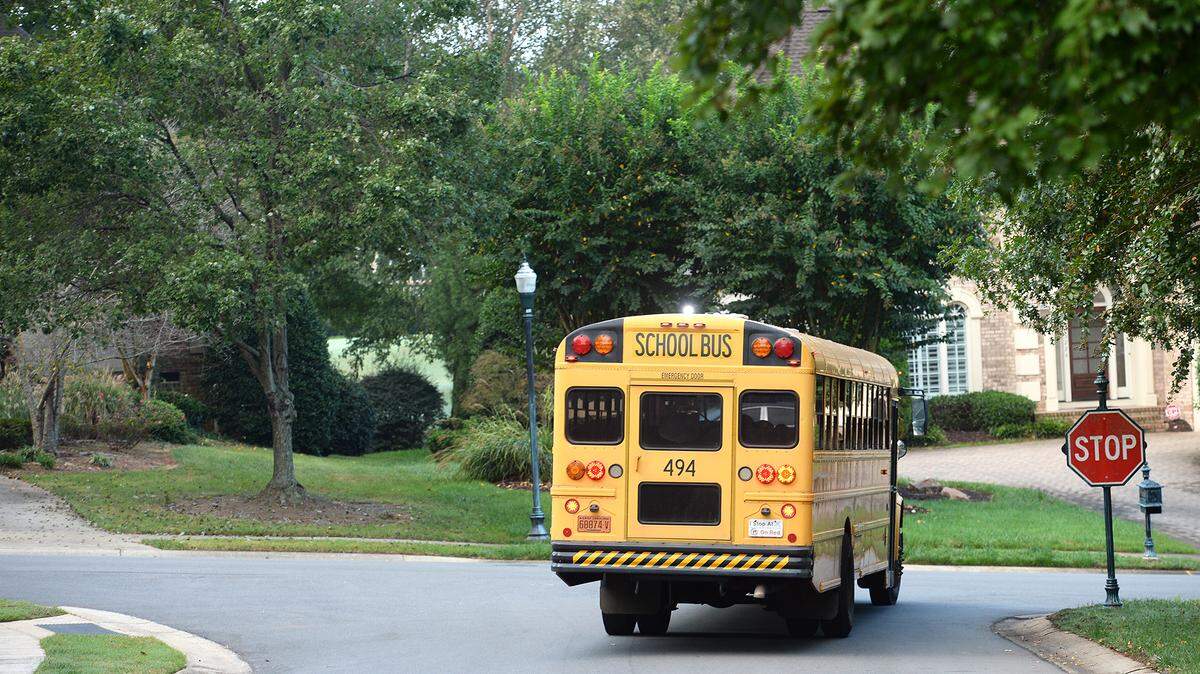
The reason for the delay? CMS transportation officials say they don’t have enough bus drivers to do middle school routes to get kids to school and back home at reasonable times while following the governor’s mandates regarding social distance. More than 120 of the districts 1,001 bus drivers are on leave until the end of 2020, officials say.
There’s some question, however, about how many middle school students might need transportation. Fewer families than expected are using buses for CMS elementary schools, and other school districts have reported a dropoff in students needing transportation. CMS isn’t sure how many middle school families will want it.
Why? Incredibly, the district hasn’t asked.
CMS officials said Tuesday that they’re planning on conducting a transportation survey from Nov. 16-30 to plan for the second semester. Why didn’t the district ask parents to declare a need for transportation earlier, same as they asked parents to commit to full-time remote learning? The issue of transportation demand has been a topic for months in the student transportation universe, yet CMS failed to make the very basic determination of how many bus riders might be out there. “I think in 2020 hindsight that was probably a miss,” school board chair Elyse Dashew told the Editorial Board this week.
That knowledge is especially critical given the timing of bus drivers requesting leave. Despite CMS officials dutifully asking for months about work intentions, more than 70 bus drivers requested leave after Oct. 2, Chief Human Resources Officer Christine Pejot told the Editorial Board on Thursday. Those requests are allowed under the Families First Coronavirus Response Act, which requires paid sick leave or expanded family and medical leave for specified reasons related to COVID-19.
We understand that transportation is a logistical challenge in any year for large districts like CMS, and school districts big and small face bus driver shortages even in non-pandemic years. But CMS, like corporations, has had months to make plans for potential return to work issues. It’s telling that few, if any, large school districts have been similarly debilitated by a COVID-related bus driver shortage.
It’s also why one school board member, District 1 representative Rhonda Cheek, expressed frustration at Tuesday’s meeting, saying “It’s pissing me off.” Cheek joined two other board members in voting no to the new middle school plan, including District 5 representative Margaret Marshall, who told the Editorial Board that while she was sympathetic to the logistical difficulties, she believed CMS might still have the capacity to bring middle schoolers back despite the bus driver shortage.
Parents should share Cheek’s frustration, but they also should question why more school board members didn’t hold CMS staffers accountable on issues surrounding planning. While new data is showing that reopening schools is unlikely to cause community spread of the coronavirus, CMS is now taking longer to make that happen. Students and families deserved better.
BEHIND THE STORY
MOREWhat is the Editorial Board?
The Charlotte Observer and Raleigh News & Observer editorial boards combined in 2019 to provide fuller and more diverse North Carolina opinion content to our readers. The editorial board operates independently from the newsrooms in Charlotte and Raleigh and does not influence the work of the reporting and editing staffs. The combined board is led by N.C. Opinion Editor Peter St. Onge, who is joined in Raleigh by deputy Opinion editor Ned Barnett and in Charlotte by deputy Opinion editor Paige Masten. Board members also include Observer editor Rana Cash and News & Observer editor Nicole Stockdale. For questions about the board or our editorials, email pstonge@charlotteobserver.com.
This story was originally published November 12, 2020 at 12:38 PM.