
As a black woman, here’s what I see when I see Confederate statues
Use books to teach history, not statues
Regarding “Let history stand so we learn from it,” (June 24 Forum):
Like this Forum writer when I see Confederate statues, I see history as well. However, as a black woman, I see the statues from a different lens. I see those who celebrate and take pride in racism, hate, oppression and the overall acceptable degradation of black people.
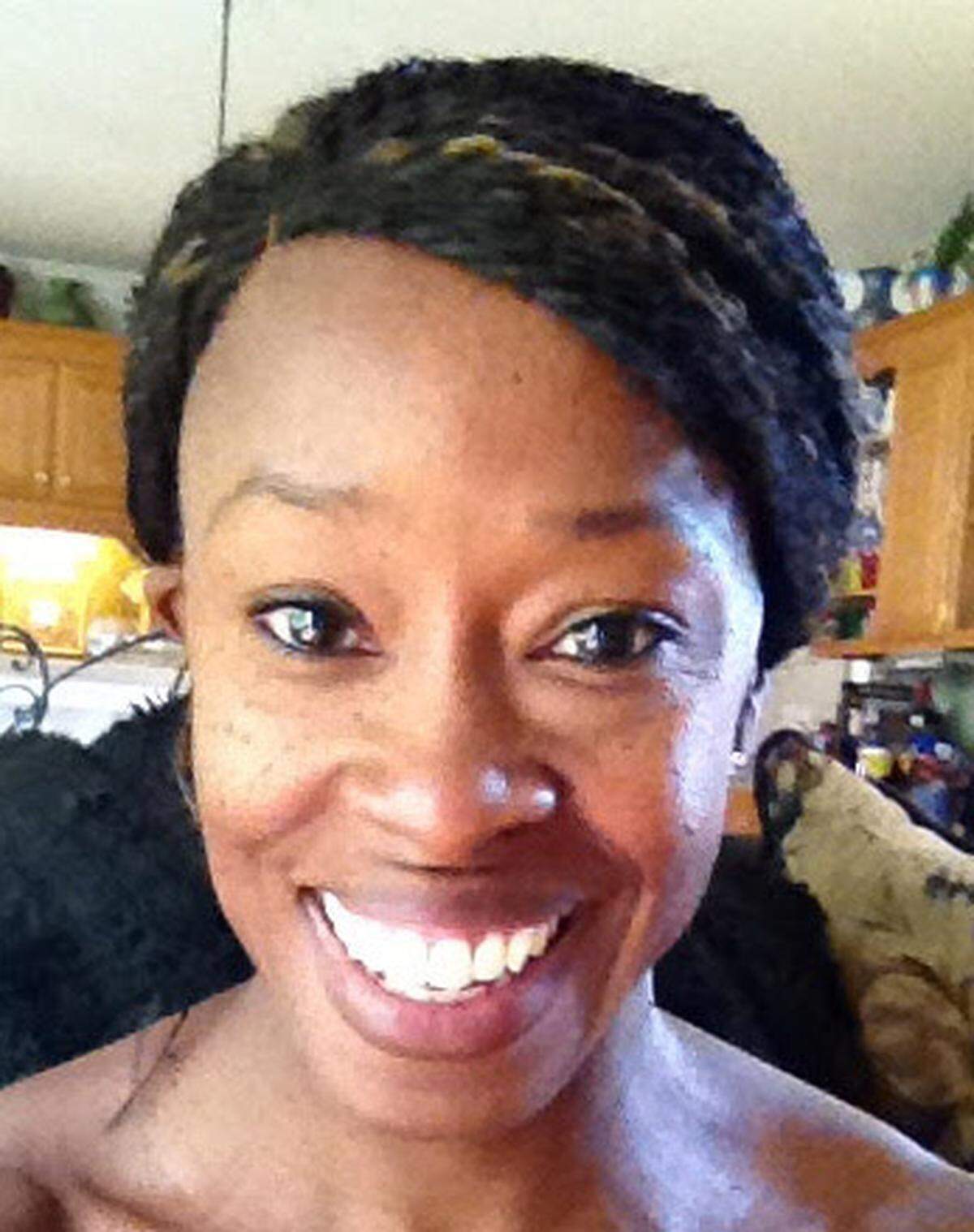
Don’t get me wrong, it’s admirable and necessary that white people teach their children and grandchildren about the dark and horrific history of slavery and racism in America. Use books as a teaching tool, not statues.
Black people won’t forget slavery. We can’t. As for racism, we see racism in real time, daily. Ask us about it.
Sham Ostapko, Huntersville
Rename streets, but not after people
Regarding “New group to review Charlotte street names, Confederate statues,” (June 24):
I understand wanting to change the names of some of the streets and schools in Charlotte, but I do not agree with naming any of them Floyd. Consider naming the streets after a tree or flower or something other than a person. In the future it will not have to be changed.
If statues are offensive to some people, they can be properly moved but do not destroy them. They are part of the history of this nation and history cannot be changed.
Now, let’s look to the future together in love for all mankind and build a strong country based on Christian principles.
Jane Truesdel, Charlotte
Baffled by logic behind NC closings
I fully support the decision to remain in Phase Two given the data, but am struggling to understand the logic behind deciding which businesses are allowed to open.
Restaurants/bars — we have all seen pictures of people crowding at bars within restaurants without masks. Certainly museums could limit numbers and encourage distancing. Gyms and bowling alleys may be more complicated.
But why not set the guidelines for numbers of people and spacing, along with cleaning/disinfecting, and then leave it up to the businesses to enforce responsibly?
Even with the businesses open in Phase Two, some are acting responsibly and some not due to lack of enforcement.
I also applaud the decision to require masks, but that would be more useful with some enforcement.
Steve Larson, Charlotte
Go after the crowded venues, not me
I keep seeing all this talk about masks from people and from the mayor and city council, but why not focus on the real issue?
There is no accountability at the breweries, restaurants, and nightclubs that serve food. Many are overcrowded and people are not spaced out. These packed places are fueling the spread of coronavirus. For example, last weekend Ink N Ivy was packed with what appeared to be 400 people. We all saw the video/photos.
Rather than worry about someone like me walking down the street without a mask, Mecklenburg leaders should be going after these types of establishments.
Jason Lichtenstein, Charlotte
The H-1B visa program has its flaws
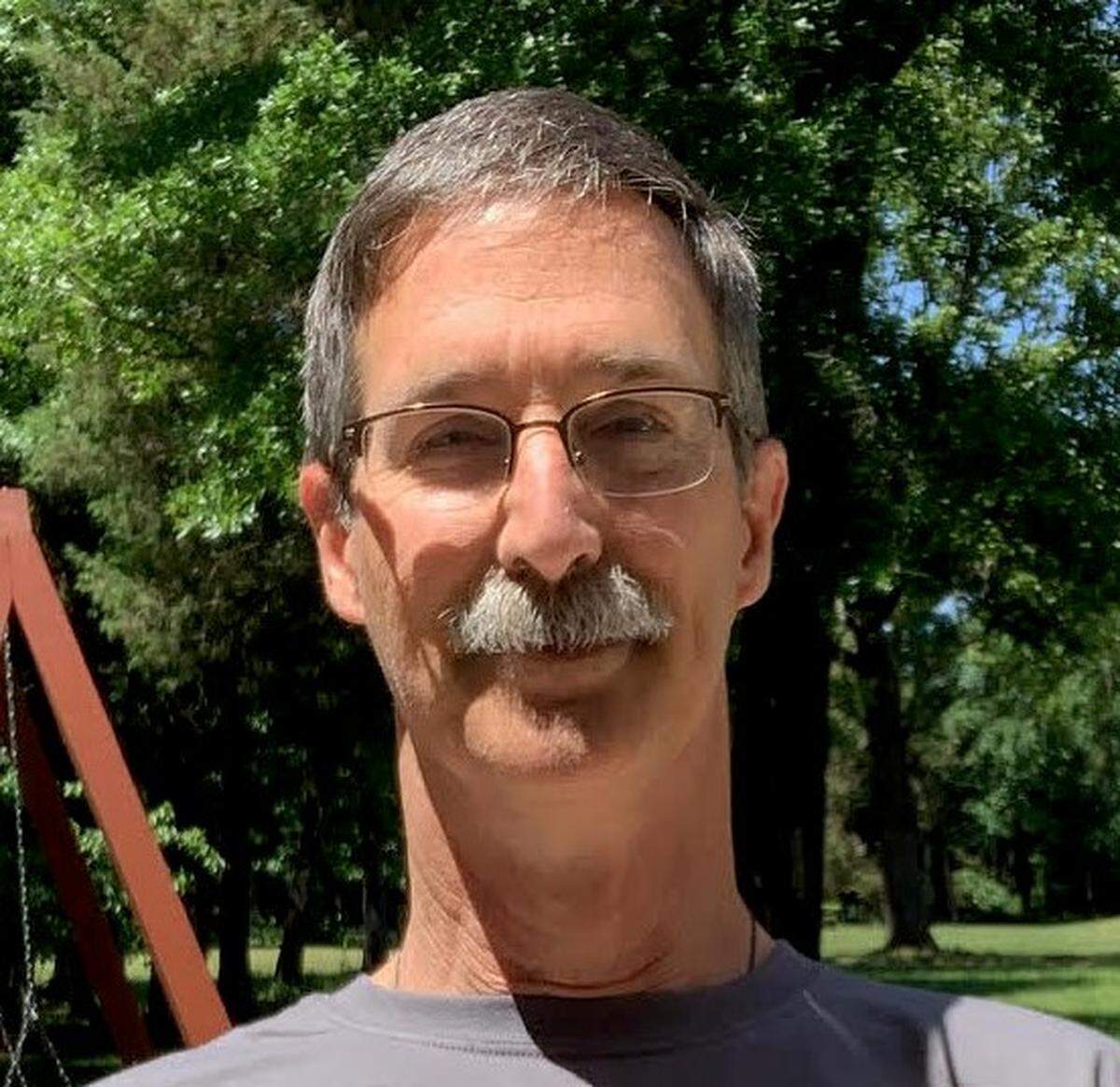
As a retired computer programmer (and Never Trumper) I have seen the dark side of the H-1B visa program, as co-workers were told their positions “went away” only to have strikingly similar positions in adjacent departments filled with less experienced H-1B workers or moved offshore.
I’m all for increasing the number of immigrant workers in agriculture and other fields where it’s hard to find willing workers, but we need to be really careful to prevent programs from being used simply to suppress wages.
If the problem really is a lack of technically educated workers, let’s see universities recruit technical students with scholarships that rival those offered by their athletic programs.
David Fahey, Charlotte
Apply virus lessons to climate change
Regarding “Biden ties climate change to the struggle for racial equality,” (June 17):
Clean air and drinkable water should be basic rights for any American.
The COVID-19 crisis reminds us that even prosperous people who thought they had job security weren’t as safe as they had believed. And not being able to get basic things at the supermarket gives us some idea of what could happen if a large-scale climate crisis occurred.
To prevent one, we must cut down on fossil fuels and reduce carbon emissions over the next decade to levels outlined by the United Nations Intergovernmental Panel on Climate Change. A carbon fee and dividend system remains the best way to do that.
Kimberly Fanelly, Mint Hill
BEHIND THE STORY
MOREHow do I get a letter published?
The Charlotte Observer publishes letters to the editor on Sunday most weeks. Letters must be 150 words or less, and they will be edited for brevity, clarity, civility, grammar and accuracy. To submit a letter, write to opinion@charlotteobserver.com or visit our letters submission page.
What are you seeking when you choose letters?
We’re seeking a variety of viewpoints from a diverse group of writers.
What must I include?
You must include your first and last name, city or town where you live, email and phone number. We never print anonymous letters. If you’d like for us to consider publishing your photo, please include one.
How often can I have a letter published?
Every 30 days. But you can write as often as you’d like.
This story was originally published June 25, 2020 at 2:57 PM.