
This Procedure Has the Highest Cure Rate of Any Skin Cancer Treatment
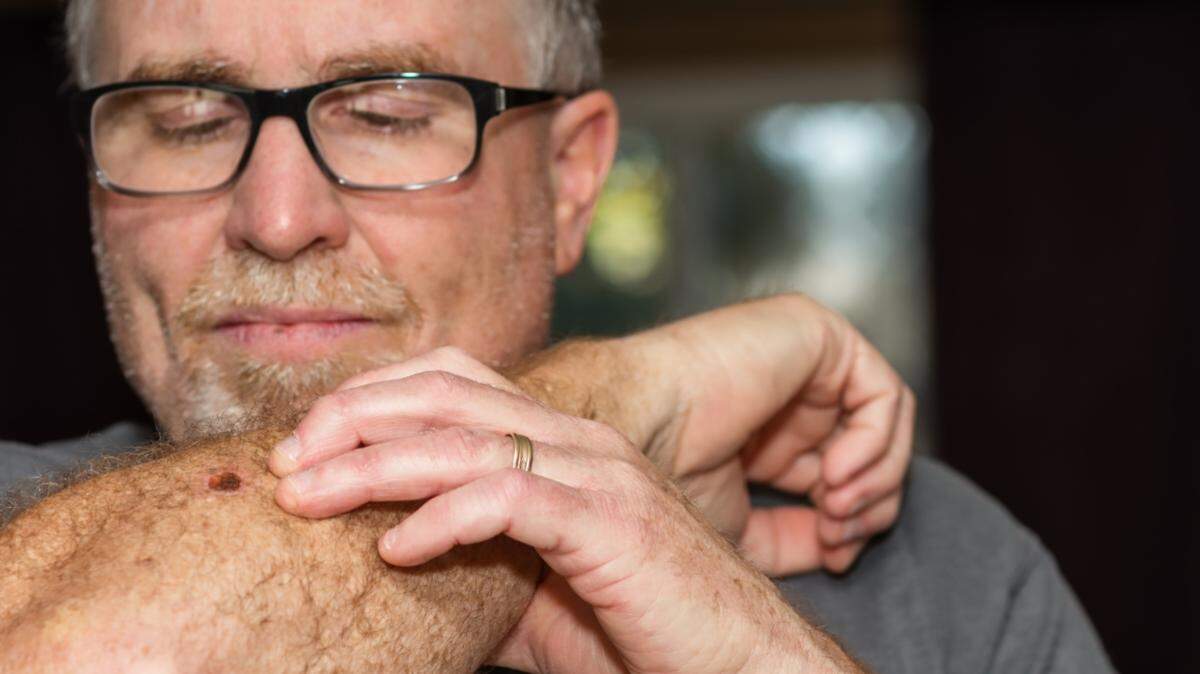
When you’re diagnosed with skin cancer, understanding your treatment options can feel overwhelming. Mohs surgery offers the highest cure rate of any skin cancer treatment while preserving as much healthy tissue as possible. This specialized procedure is performed right in a dermatologist’s office, and patients go home the same day with their skin cancer completely removed and the area repaired.
Joshua B. Eickstaedt, MD, FAAD, is a double board-certified dermatologist and fellowship-trained Mohs surgeon at Tryon Medical Partners. Here, he breaks down five essential things you need to know about this highly effective skin cancer treatment.
What is Mohs surgery?
Mohs surgery is a specialized treatment for skin cancer that was developed by Dr. Frederic Mohs. The Mohs surgery technique offers distinct advantages over other skin cancer removal methods.
“Mohs surgery is the gold standard in the treatment of skin cancer, because it offers the highest cure rate,” says Dr. Eickstaedt.
What makes Mohs micrographic surgery unique is the immediate analysis of the tissue. During the procedure, the surgeon removes a thin layer of skin containing the cancer, then examines it under a microscope while the patient waits. If cancer cells remain at the edges, another thin layer is removed and examined. This process continues until no cancer cells are detected, hence the extremely high cure rate.
What types of skin cancer does Mohs surgery treat?
Mohs surgery can treat various types of skin cancer, with some being more commonly treated with this technique than others:
- Basal cell skin cancer is the most common type of skin cancer and the most frequent reason patients undergo Mohs surgery.
- Squamous cell skin cancer also responds extremely well to Mohs surgery.
- While some melanomas may be more aggressive and require a multidisciplinary approach, early-stage melanomas in certain locations may be excellent candidates for Mohs surgery.
- Some rare skin cancers can also be treated with Mohs surgery.
Who is a good candidate for Mohs surgery?
“Any skin cancer can be treated with Mohs surgery,” says Dr. Eickstaedt. “However, guidelines help determine the best approach for each patient.”
The ideal candidates for Mohs surgery include:
- Patients with basal cell or squamous cell skin cancer in visible or functionally important areas
- Anyone with skin cancer that has come back after previous treatment
- People with large skin cancers or those with poorly defined borders
- Patients with aggressive or rare forms of skin cancer that require the highest possible cure rate
What happens during Mohs surgery?
Mohs surgery is performed in a doctor’s office under a local anesthetic. Patients with anxiety about the procedure can also request a small dose of oral sedation.
“During the procedure, the patient is awake, so I can talk with them,” Dr. Eickstaedt says. “The conversational atmosphere helps patients feel comfortable.”
The procedure typically takes between 90 minutes and four hours. The surgeon removes and examines cancerous tissues layer by layer, immediately evaluating each under a microscope and repeating the process until all cancer cells have been removed.
Once the skin cancer is removed, the healthy skin is repaired with stitches or a graft. The type of closure depends on the location and the size of the area removed. The goal is to leave the least visible scar.
How does Mohs surgery compare to other skin cancer treatments?
With a typical skin cancer excision, a dermatologist removes the visible cancer plus a margin of healthy-looking skin. That tissue is sent to a pathology lab, and results typically take seven to 10 days.
In contrast, “patients are very satisfied with Mohs surgery, because I can tell them that day that the cancer will be completely removed,” says Dr. Eickstaedt.
About Dr. Eickstaedt
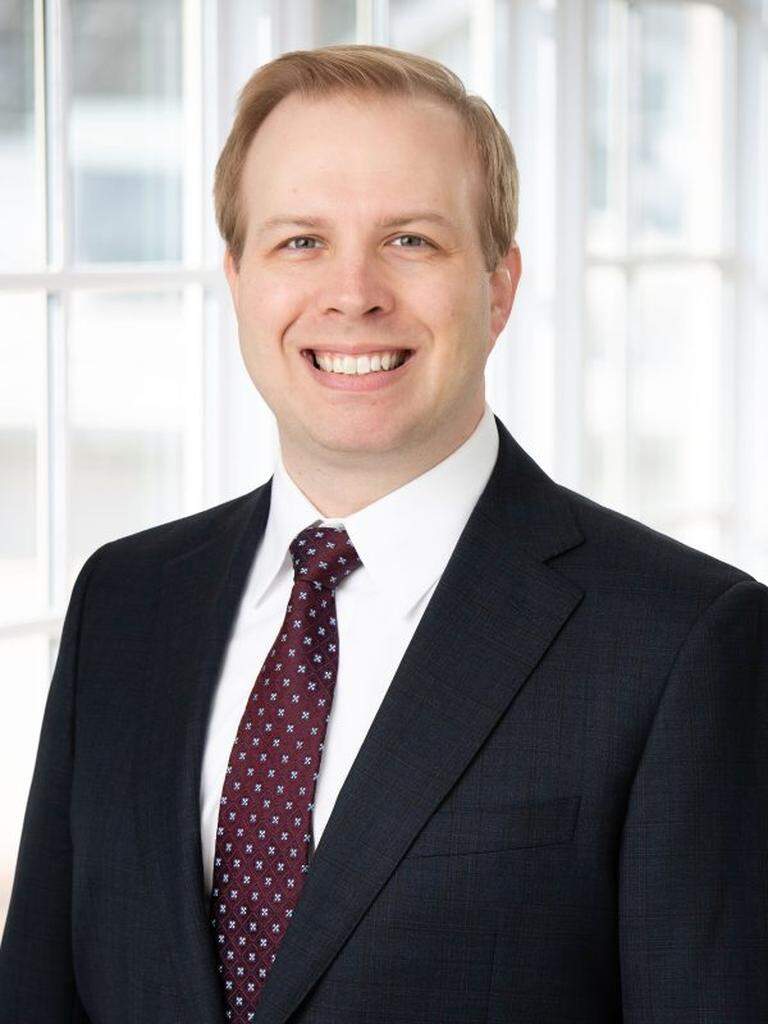
Joshua B. Eickstaedt, MD, FAAD is a board-certified dermatologist and fellowship-trained, board-certified Mohs surgeon at Tryon Medical Partners. He specializes in Mohs micrographic surgery for skin cancer removal and reconstruction. Dr. Eickstaedt has extensive training and years of experience examining tissue pathology and performing complex, cosmetically optimized repairs.
Call (704) 495-6334 to learn more or request an appointment.