
How Extreme Heat Is Reshaping Home Comfort Across the South
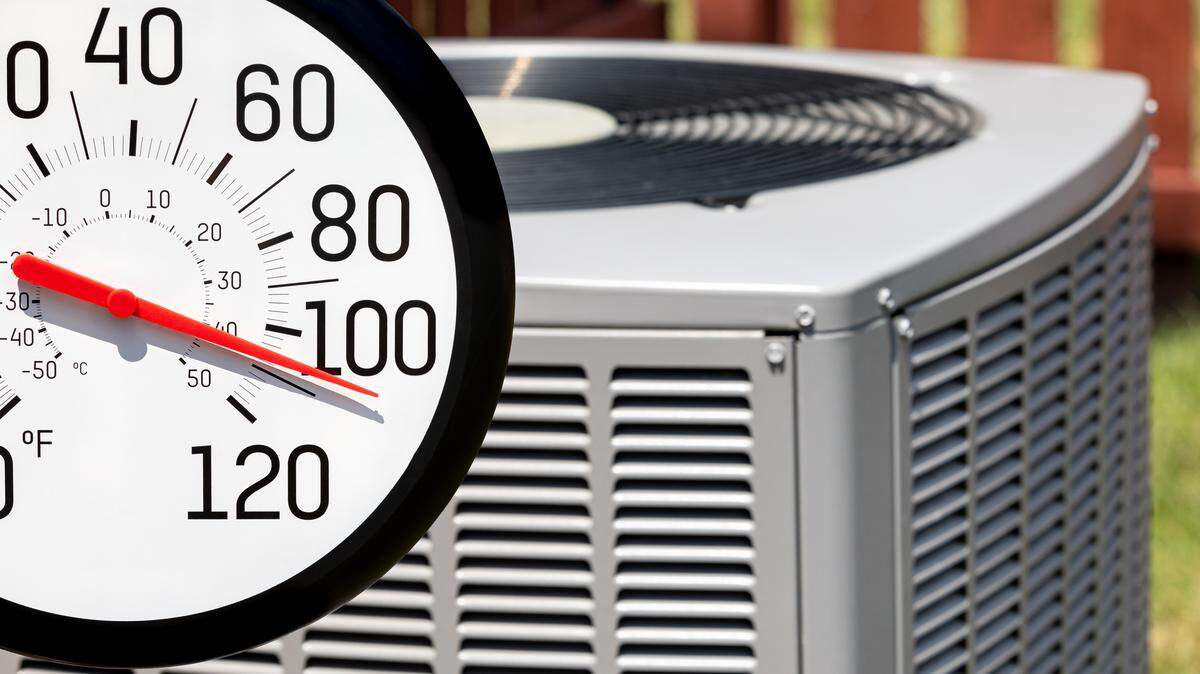
Temperatures are on the rise in the southern states, and homeowners are feeling the effects. Summers are becoming hotter, and humid heat has increased in frequency, intensity, and duration, according to a 2025 study published by the Carolinas Climate Adaptation Partnership.
The high temperatures and humidity put more stress on heating, ventilation, and air conditioning (HVAC) systems. The added strain on your HVAC systems can make it difficult to maintain comfortable temperatures inside.
As extreme heat becomes more common, homeowners may need to rethink how they maintain and cool their homes.
Key Takeaways
- Southern states are experiencing consistently higher summer temperatures, and extreme heat events are lasting longer.
- Older cooling systems are more likely to fail during heat waves.
- Proactive maintenance and strategic upgrades can protect your HVAC systems, improve energy efficiency, and keep your home cool.
The South Is Getting Hotter, and Homeowners Feel It
In the South, summer starts earlier, gets more intense, and lasts longer than it used to in past decades due to climate change.
We analyzed the average temperature in July in 13 of the southern states using data from the National Centers for Environmental Information. In 1990, the average temperature was about 78 degrees. In 2025, the average temperature was 81. While a difference of a few degrees may not sound too severe, it makes a significant difference in how your home retains heat.
Consistent heat waves and extreme weather events give your home less time to cool down overnight. The structure of your home, such as its roof and walls, absorbs heat all day, making your home hotter inside. As a result, your air conditioner has to work harder to reach the temperature set on your thermostat, so it can be uncomfortably warm inside.
“Your AC is designed to provide comfort, but if you’re talking about elderly people, senior citizens, or people with certain medical conditions, it [heat waves] can become a real issue,” said Joey Dooley, general manager at ARS/Rescue Rooter in Texas with 23 years of experience in the HVAC industry. “If you have any kind of health issue and you’re stuck sleeping in extreme heat, that’s a real problem.”
The Impacts of Heat on HVAC Systems
Your HVAC system is complex, and extreme heat can affect your home comfort in several ways:
1. Air Conditioners Have to Work Harder
When the air outside is hotter, the high heat makes it more difficult for the air conditioning system to release the captured heat. The compressor works longer, drawing more electrical current and increasing the strain on the motor. Plus, it struggles to reduce moisture from the air, so mildew and mold can grow in the ductwork, impacting indoor air quality.
2. Older Systems May Not Keep Up
Most residential systems last 15 to 20 years, but efficiency drops over time, and older units may lack the cooling capacity for today’s longer heat waves. They might run continuously to reach your desired temperature, causing your bills to skyrocket.
3. Emergency Repairs Spike During Heat Waves
When a system runs without a break, parts can fail. During heat waves, that can mean your system stops working when you need it most. During the hottest days of the year, HVAC companies are inundated with emergency service calls, and emergency visits can be pricey.
A standard service call to troubleshoot an issue can range between $75 to $180, according to Home Advisor data. However, that price can spike during peak summer months, with some HVAC companies charging $200 per hour.
How Can Homeowners Prepare for the Coming Summer Months?
To keep your home comfortable all summer long — even in extreme weather — being proactive is key. Taking the following steps can help keep your AC system working effectively despite rising temperatures:
- Stick to a maintenance schedule: HVAC systems require ongoing care and maintenance. At least once a year, schedule a professional tune-up. A technician will clean the coils, check refrigerant levels, and ensure the system is working as it should. Proper maintenance extends the lifespan of your system and keeps it working efficiently.
- Utilize smart thermostats: A smart thermostat allows you to adjust your home’s temperature from your phone. You can set lower indoor temperatures for when you’re home, and higher temperatures for when you’re at work or traveling. Adjusting your thermostat can help you save money on your energy bills.
- Consider upgrading your HVAC system: Typically, an HVAC system can last for 15 to 20 years. If your system is older or reaching the end of that timeline, it might be time to replace it. Although an HVAC system is a major purchase, a modern HVAC system uses less electricity than older systems, and you may qualify for rebates from utility companies for upgrading your unit. It’s an investment that can improve your comfort and reduce your monthly energy bills.
- Have an action plan: If your area is prone to power outages, create a plan. Check with your town or city to find out where public health or cooling centers are near you, particularly if anyone in your household is vulnerable to overheating, heat stress, or other health risks. Or, invest in a generator that can keep your AC running during power failures.
FAQs
What is the $5,000 rule for HVAC?
The $5,000 rule is a guideline that helps you decide whether to repair or replace an aging HVAC system. Multiply the age of the system (in years) by the estimated repair cost. If the result is more than $5,000, replacement is generally the better investment. Example: a 12-year-old system needing a $500 repair = $6,000, which favors replacement. Note that with today’s higher equipment prices, the rule is a starting point — pair it with a professional evaluation.
How can I prepare my HVAC system for the summer?
To prepare your system for the summer months, schedule a professional, annual tune-up to catch small issues before they become big, expensive problems. Then, replace indoor air filters since clogged filters can restrict airflow.
How often should I do maintenance on my AC?
With most systems, you should schedule professional maintenance at least once a year. With some systems, or those in areas with extreme heat and humidity, it can be a good idea to schedule an inspection and tune-up once in the spring and another in the fall.