Who the Hornets should pick No. 3 in NBA draft isn’t obvious, but he checks every box
Mitch Kupchak is right: If there is an obvious most-talented player when the Charlotte Hornets draft third, they must take him regardless of position.
Trouble is, there’s nothing obvious about the 2020 NBA draft class. It isn’t clear who is the No. 1 player, so it sure won’t be clear when the Hornets pick No. 3 the night of Oct. 16.
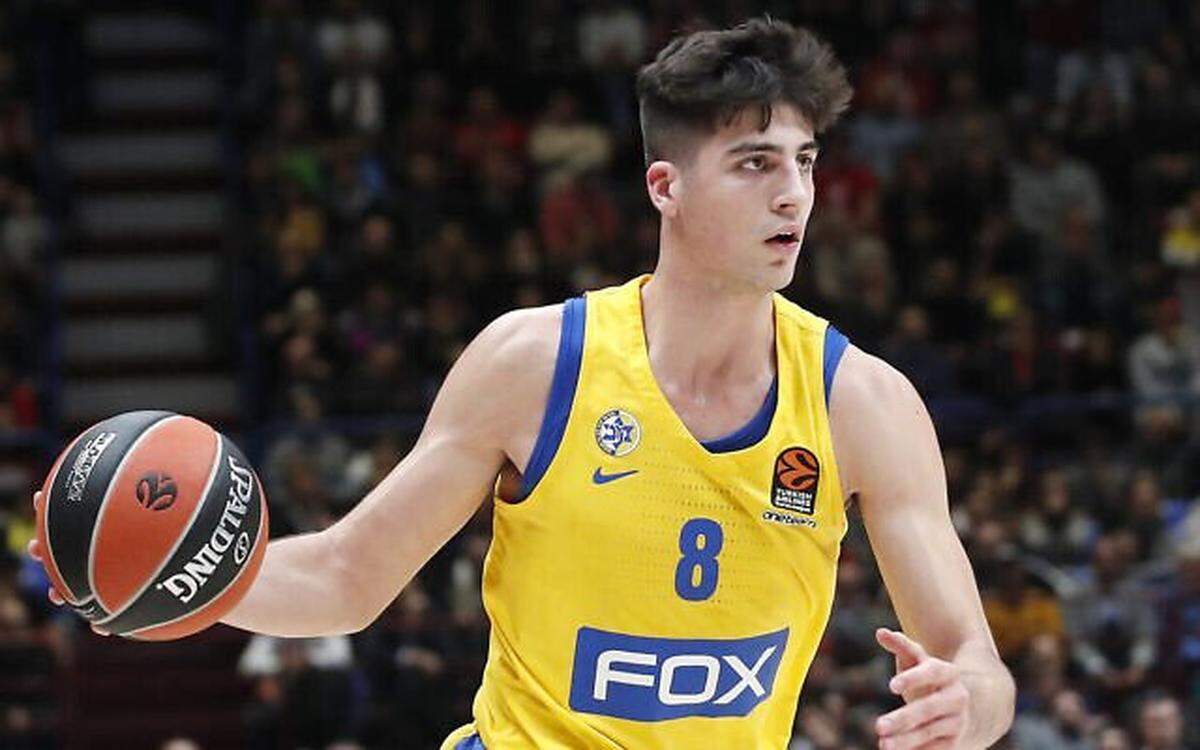
Here’s my humble suggestion: Strongly consider Israeli pro Deni Avdija. He has that star potential this roster so lacks, and he would quickly impact in ways the Hornets are weak.
Avdija (pronounced “Ahvdeeya”) is a 6-foot-8 wing. He’d score, but much more. While he is 19, he has played two seasons in the pros for Maccabi Tel Aviv. He has already shown a feel for the sport — the decision-making with the ball, a knack for breaking down defenses — that the Hornets so lack.
I won’t call him Luka-Lite, but he has some of those skills Luka Doncic excels at with the Dallas Mavericks. He is a connector: The player the Hornets hoped they had in Nic Batum, but aggressive in the way Batum hasn’t been.
Needs
I appreciate Hornets general manager Kupchak’s point that positional need can’t trump pursuit of talent, particularly after Charlotte jumped from the No. 8 spot to No. 3 in Thursday’s draft lottery.
The Hornets are as starless as any NBA roster. There are a half-dozen solid complementary players, but no one who will lead a team to the second or third round of the playoffs. No Doncic, no Zion Williamson, no Trae Young.
Avdija is skilled and dynamic enough that he’d eventually show that ability to disrupt defenses. Also, his size and skill set are what the Hornets aren’t.
Neither of this season’s starters at the wing positions — Terry Rozier at shooting guard and Miles Bridges at small forward — are natural fits at those spots. Rozier was moved from point guard to shooting guard to accommodate Devonte Graham’s improvement. Bridges was supposed to start at power forward this season, but rookie P.J. Washington made such a quick splash that Bridges moved back to small forward.
At 6-foot-1, Rozier is too small to be primarily a shooting guard. His best use in Charlotte long-term would be sixth man.
Bridges, a brawny 6-foot-6, was asked to guard far quicker perimeter players than his body frame matches. His best NBA fit is as a small-ball power forward. Whether it’s here or some other team, that has to be his primary NBA spot.
Avdija could slide between small forward and shooting guard, and be a secondary ball-handler in every offensive set. Coach James Borrego would utilize Avdija in pick-and-rolls constantly, letting him size up defenses and create offense.
While the Hornets need better rim-protection and rebounding, a guy at the wing who can create offense for himself and others is as high a priority as anything on this franchise’s wish list.
Third-best?
Is Avdija the third-best prospect? I don’t yet know, but the experts don’t, either. This is a completely different draft pool from a year ago, when it was obvious that Williamson and Ja Morant, now with the Memphis Grizzlies, topped the field.
All these guys have flaws. Anthony Edwards has uneven intensity. LaMelo Ball needs a reliable jump shot. James Wiseman has a barren resume after leaving Memphis early in his one college season.
Here’s what Kupchak expects of the No. 3 pick:
“Most times you can get a special player. Somebody who you can say is going to be a starter in the league, even on a good team.”
The Hornets haven’t been a good team for a long time. Advija has the skill and size to change that.