‘Good moments’ and ‘not-so-good moments’: Is it too early to judge Hornets’ Tidjane Salaün?
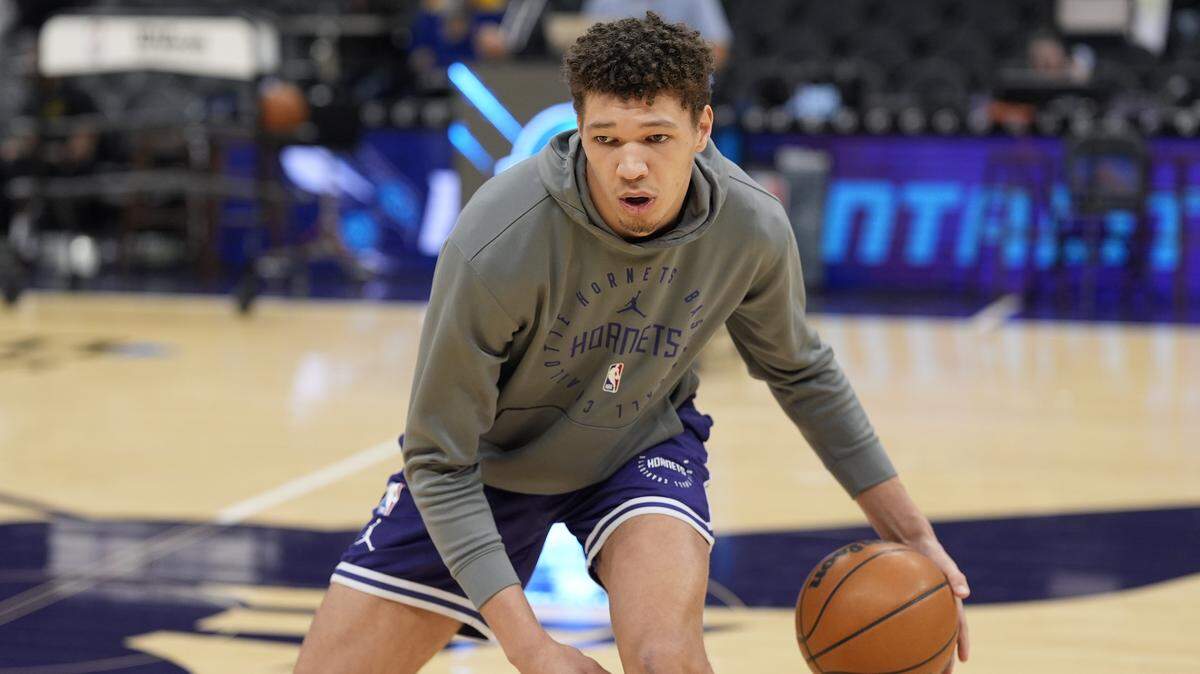
Reflecting on being thrust into the mix earlier than anticipated because of the Charlotte Hornets’ laundry list of injuries, Tidjane Salaün pointed to the long-term benefits.
“I had a lot of experience during this year,” Salaün said. “That was cool, to be around all of these guys, this organization. And yeah, my role was different so I could have more time than I think (was expected) but that was great. All of this experience is going to translate into everything for next season.”
Salaün’s rookie campaign mirrored the dips, twists and turns of Carowinds’ Fury 365. The raw 19-year-old saw action in 60 games and recorded 10 starts, a byproduct of the seemingly nonstop number of bumps and bruises the Hornets stockpiled, leading to another season of them finishing among the NBA leaders in player games missed because of injury.
After looking every part of a gangly teenager still learning myriad aspects of how the game is played on this side of the pond — and, frankly, the ins and outs of the sport, period — Salaün displayed glimpses of ways he can be effective at this level. He averaged 5.9 points, 4.7 rebounds and 1.2 assists in 20.7 minutes per game, but nailed only 33% of his attempts and a mere 28.3% from 3-point range.
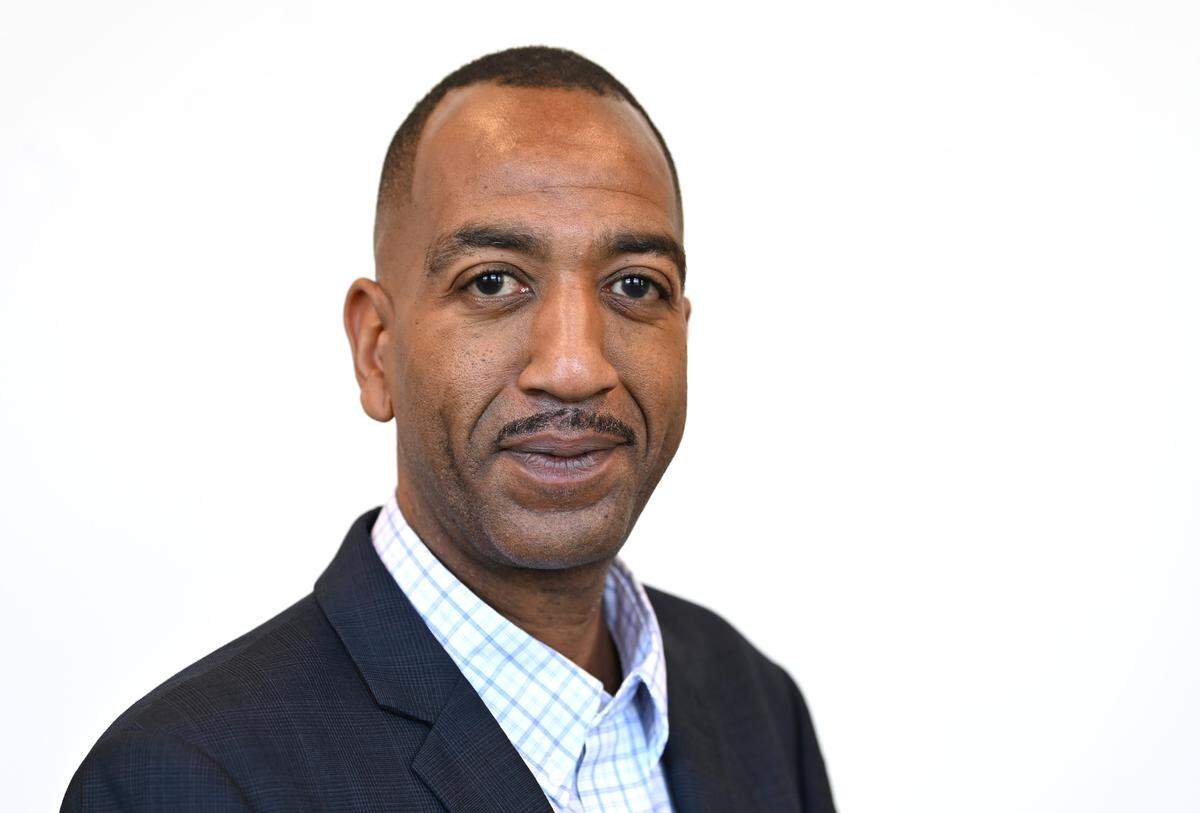
He’s tied to the Hornets’ new regime and gives insight into what Jeff Peterson, the president of basketball operations, believes is paramount in constructing a winning roster.
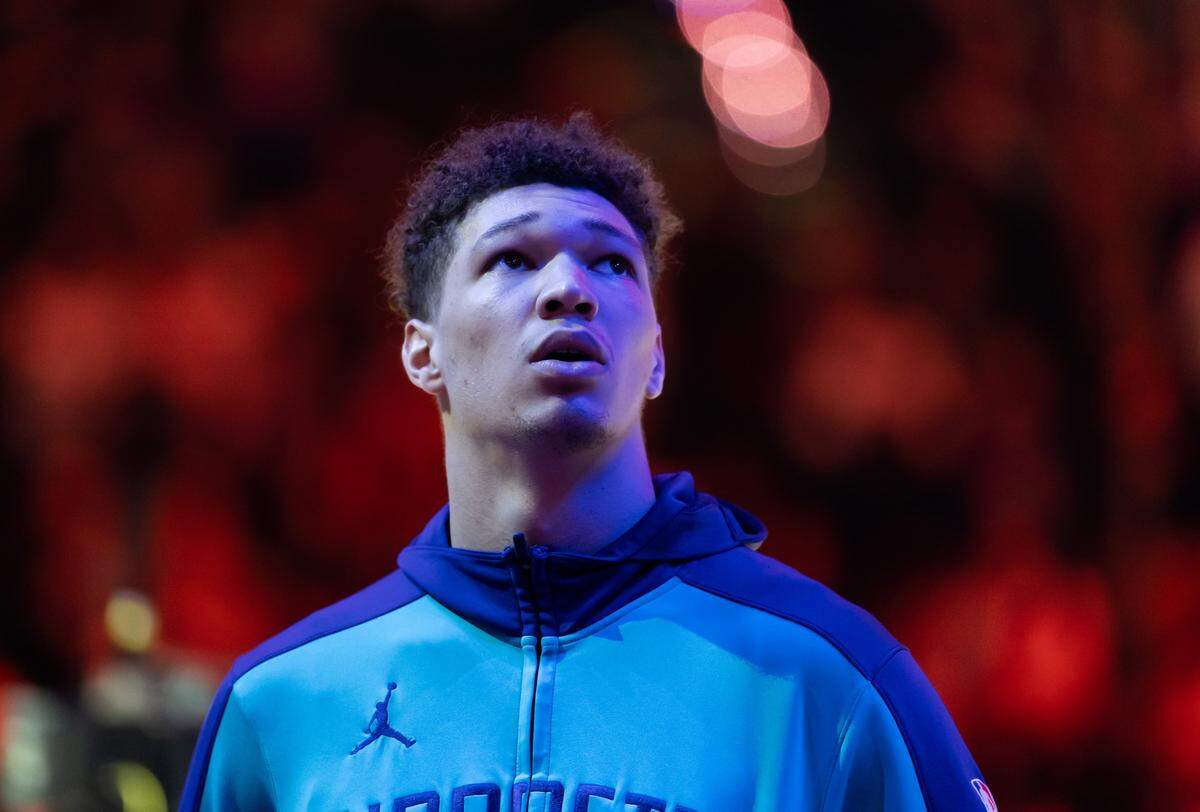
In describing the inaugural NBA campaign of the sixth overall pick in 2024, Peterson couldn’t overlook Salaün’s ebbs and flows, which included a pair of stints in the G League with the Greensboro Swarm.
“I would say he had a season that was probably pretty consistent with being the second-youngest player in the NBA,” Peterson said. “There were some good moments and there were some not-so- good moments. None of that came as a surprise to us. We knew there was going to be a learning curve.
“You come from the French league and then try to assimilate to this level playing against grown men, it’s hard. It’s really, really hard at this level, and we knew it would take some time.”
In other words, don’t expect too much too soon from Salaün.
“Everyone’s developmental curve or path is not linear,” Peterson said. “You see some guys have a tremendous rookie season and the rest of their NBA career is not pretty. You see some guys have some slower starts and they end up figuring it out later.”
Given the franchise’s track record when drafting in the upper reaches of the lottery, save for the most recent examples of Brandon Miller and LaMelo Ball, Hornets fans are a tad apprehensive and skeptical. Outside of avid followers of international talent, few had even heard of Salaün until NBA commissioner Adam Silver called his name in June, surprising many given the talent with collegiate experience still on the board when Charlotte’s turn came less than an hour into the festivities.
But toward the end of his first season, there were snippets of progress that left Salaün and the staff encouraged for 2025-26.
Beginning on March 1, there was a stretch of 12 appearances during which Salaün averaged 7.9 points, 5.6 rebounds and 1.7 assists per game. That put him in the company of the two other rookies to reach those minimum thresholds throughout that same span, placing Salaün alongside Duke product Kyle Filipowski of the Utah Jazz and fellow countryman Alex Sarr of the Washington Wizards.
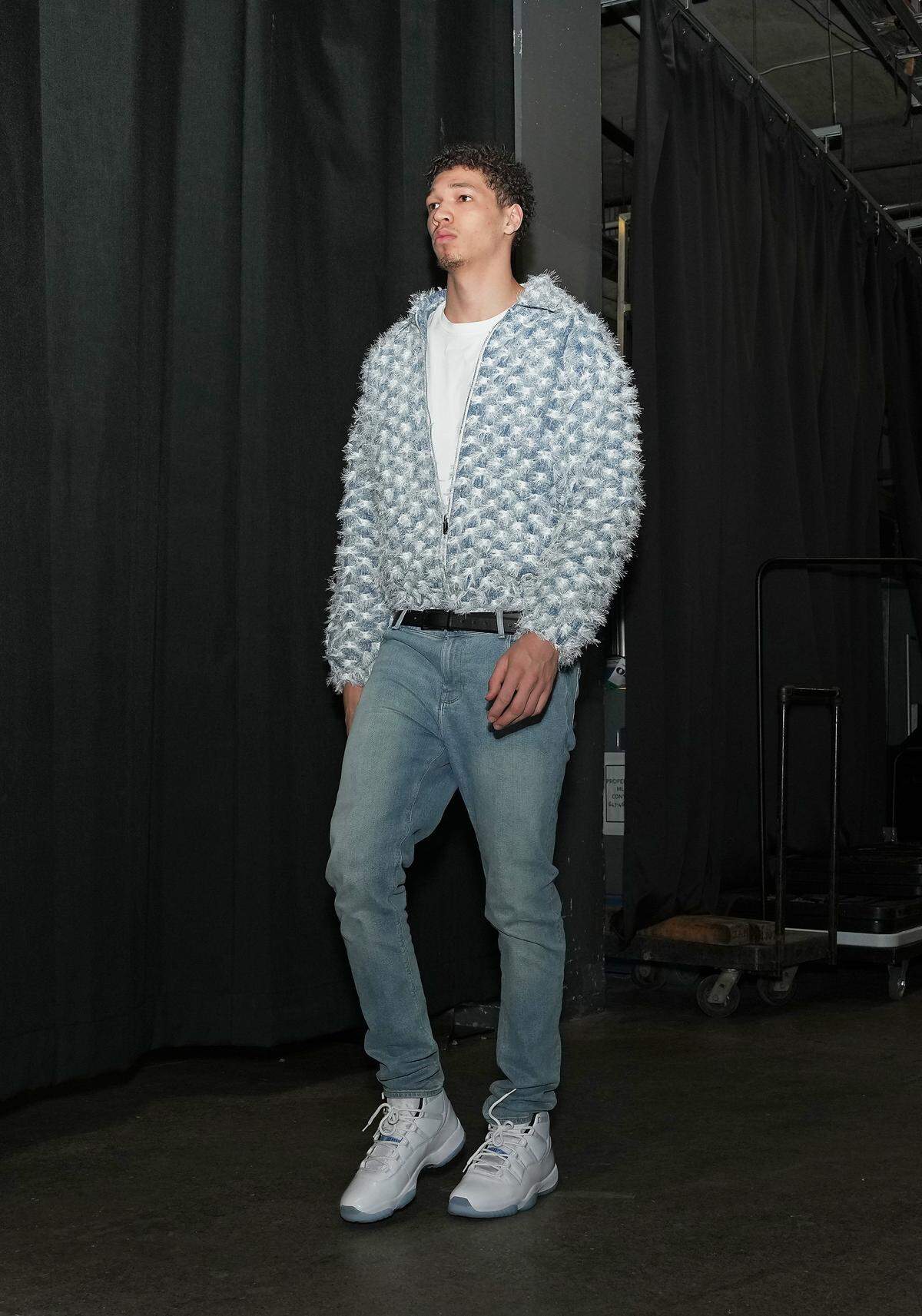
He’s intent on proving he’s worthy of his draft status, promising to remain a gym rat.
“I’m motivated 100% — I was already motivated,” Salaün said. “I can’t wait until the next season, but I love the offseason because that’s my favorite moment of the year. Because that’s the moment I do everything to be the most successful, the best version of me.
“So, all the work I’m going to do is going to be important for me to be better next season, and be ready for another year and another opportunity.”
To ensure that happens, Salaün will be participating in summer league action again, just like he did in the weeks after landing with the Hornets. Las Vegas beckons and he’s eager to head to the desert in July.
“It’s a good opportunity to just be back with the NBA rules,” Salaün said. “It’s still like a pickup game and can be useful. I will definitely use this as an opportunity to be better. I can;t wait to be in summer league because it’s not too bad to have this type of opportunity in the summer.
“In the NBA you can have some scrimmages during July, so it’s very good.”
In turn, the Hornets hope Salaün evolves into the player they envisioned and fell in love with during their scouting process.
“I think the more important thing is, the reason we drafted him was for his intangibles,” Peterson said. “He’s an incredible worker, incredible competitor, a sponge. He’s coachable. The guy is in the gym more than anyone. He comes back at night and he loves it. He wants to be great.”
Salaün nodded his head when Peterson’s words were relayed to him.
“My work ethic, I think, is one of my skills.” Salaün said. “So, that is going to (continue) for sure and I will continue to work every day off court like on court. And my work ethic, like I said, it’s my skills. But it’s natural for me to be better in what I do.
“So, I’ll be professional and that to me is most important, work to be better next season and achieve my goals.”
That mentality has Peterson doubling down on his initial pick three months after taking the reins as the top executive in the Hornets’ basketball operations department.
“If we had to do it again, we would,” Peterson said. “We know that at the end of the day, he’s going to maximize himself. Ultimately, we still believe that he’s going to be a consistent rotational piece on this team.”