Michael Jordan, Ric Flair and NCAA titles: 5 facts about the Charlotte Coliseum
The original Charlotte Coliseum was more than just an arena — it was a landmark for sports, concerts and life.
The land near Tyvola Road and Billy Graham Parkway on the west side of Charlotte looks completely different in 2025, but for nearly two decades, it was home to one of North Carolina’s most iconic venues: the original Charlotte Coliseum.
The massive arena — which opened in 1988 near the airport — helped put Charlotte on the national sports and entertainment map. It was where fans gathered for packed games, high-profile concerts and unforgettable moments before closing in 2005 and eventually being demolished two years later.
Here are five things to know about the building that shaped Charlotte’s rise:
1. The Hornets’ first arena
When the Charlotte Hornets joined the NBA as an expansion team in 1988, the new franchise made the Coliseum their home court.
The arena quickly became synonymous with the Hornets’ teal, with its raucous crowds creating one of the loudest atmospheres in pro basketball. Charlotte’s fanbase brought a buzz like nothing before, selling out 364 consecutive home games over its first nine seasons.
2. One of the NBA’s most-packed venues
Boasting a seating capacity of more than 24,000, the Coliseum was the largest arena in the NBA at the time.
Fans packed the house nightly, and Charlotte paced the Association in attendance during its early years. The Coliseum hosted the 1991 NBA All-Star Game, setting the bar for what Charlotte crowds could be.
3. A hub for pro wrestling, college hoops and more
The Coliseum wasn’t just about NBA basketball.
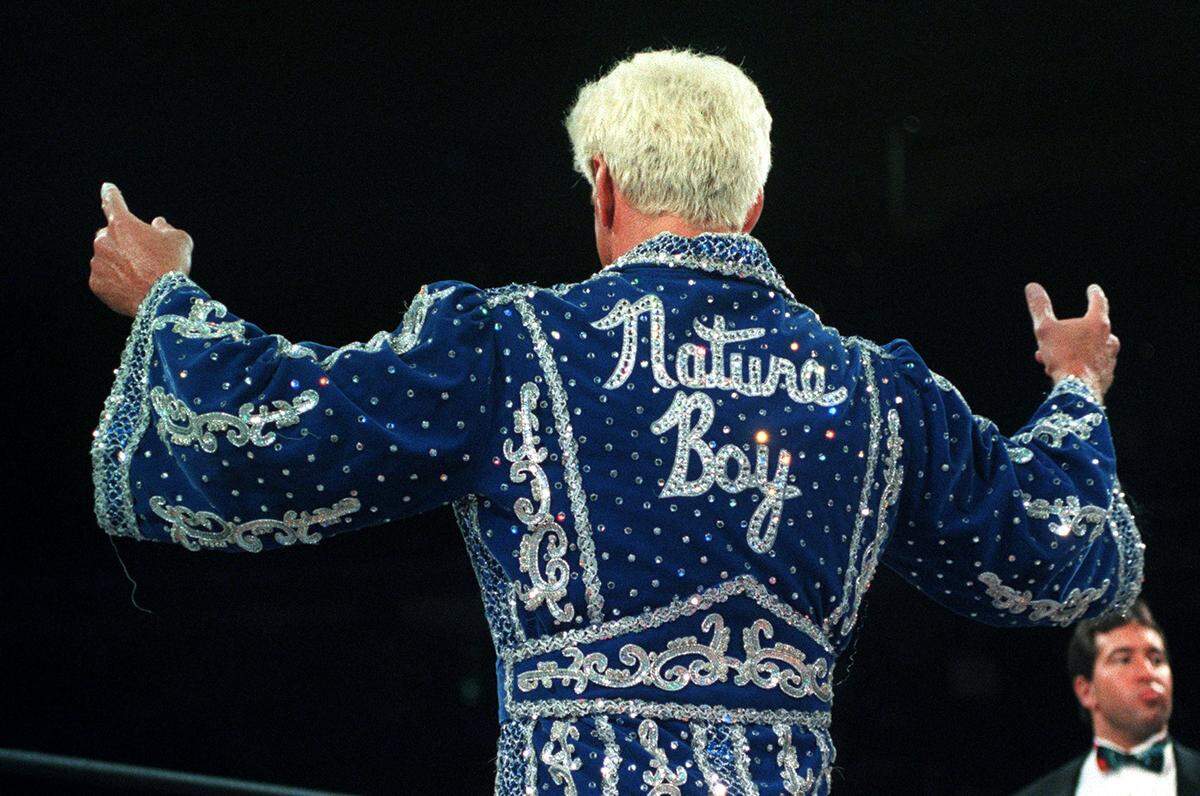
It became a stop for WWE wrestling events, including Unforgiven 1999 and Judgement Day 2003. The building also hosted NCAA men’s and women’s tournament games — including the 1994 Men’s Final Four and the 1996 Women’s Final Four — and Charlotte Sting home games during the WNBA’s early years. Several Arena Football League teams, the Charlotte Rage and Carolina Cobras, spent stints there as well.
4. It staged legendary concerts
Music fans packed the Coliseum to see some of the world’s biggest acts.
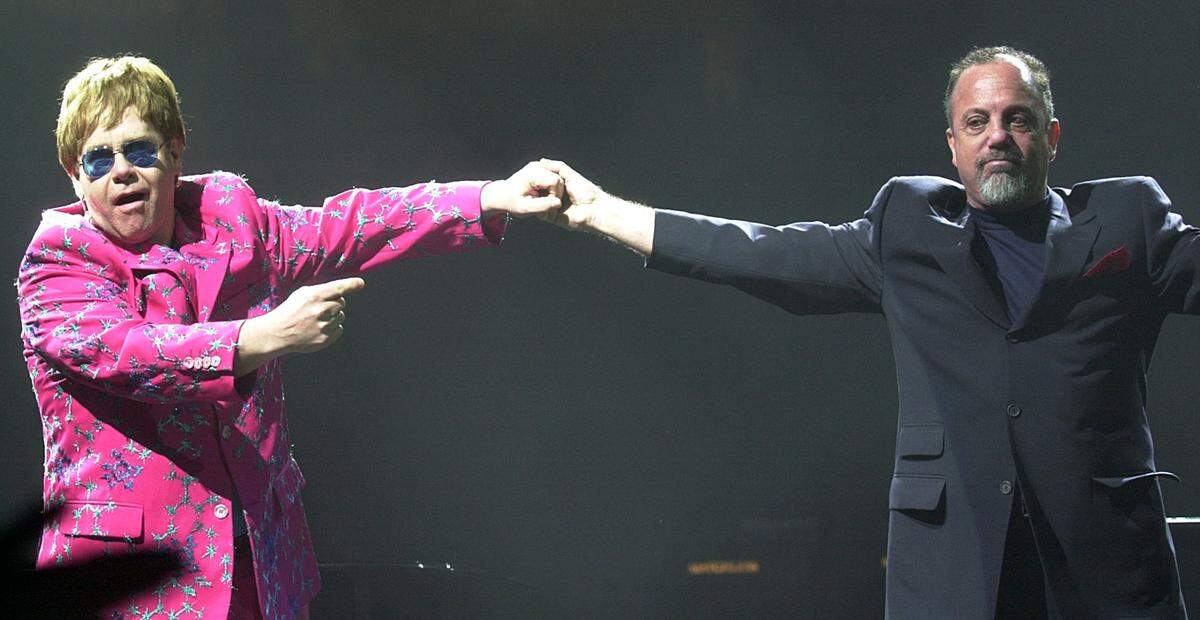
Frank Sinatra. Elton John. Garth Brooks. U2. Whitney Houston. Kelly Clarkson. The Stones. Name a star from the late 20th or early 21st century, and odds are they stopped at the Charlotte Coliseum on tour. With massive floor space and modern sound, it ranked among the top concert sites in the Southeast.
5. Today, it’s the City Park neighborhood
The original Coliseum was demolished in 2007.
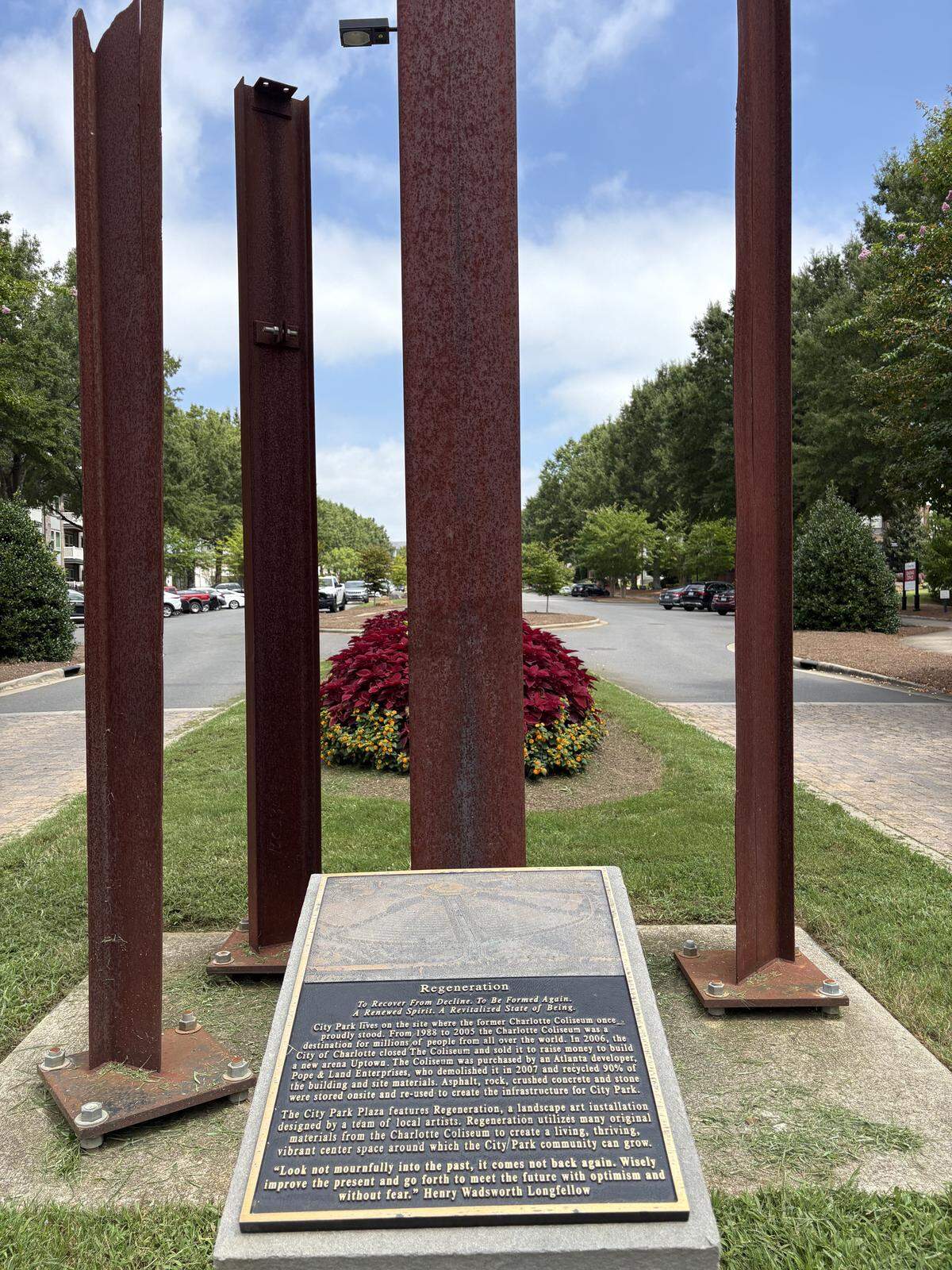
In its place, the City Park neighborhood has taken shape — a mixed-use district with townhomes, hotels, restaurants and office buildings. A plaque and marker commemorate where one of the state’s loudest landmarks once stood, and the road “Hive Drive” remains.
This story was originally published August 22, 2025 at 8:00 AM.