If LaMelo Ball trade goes bad, could Hornets GM lose his job? Oh, absolutely
AI-generated summary reviewed by our newsroom.
- Charlotte Hornets GM Jeff Peterson traded away LaMelo Ball to Minnesota on June 25, 2026.
- Peterson finally addressed the reasoning for trade on Saturday, 16 days after news broke.
- Peterson said he empathized with upset Hornets fans but that trade would better the team.
What Charlotte general manager Jeff Peterson did in trading LaMelo Ball was the sort of big swing he was hired to make. The Hornets haven’t made the playoffs in 10 years, and Peterson is supposed to change that.
So Peterson took a shot at changing all of it on June 25, when he traded Ball to Minnesota in what he said Saturday was “probably the most difficult” decision he’s had to make since being hired to this job in March 2024.
This was the sort of decision that either wins you an NBA Executive of the Year trophy or gets you fired.
There are times when trading your best player makes sense. But you don’t have to look very far back in history for examples of what happens when trading a popular star player goes bad.
Dallas general manager Nico Harrison traded star Luka Dončić away in a widely derided move in February 2025. Chants of “Fire Nico!” started to spring up at Dallas home games not long after that. And nine months later, that’s exactly what the Mavericks did. Harrison got canned, and he will be associated with that trade for the rest of his life.
As I’ve written before, I’m actually all for trading LaMelo. He was fun, sure. But I don’t think the Hornets were ever going to win big with Ball as their leading man for a variety of reasons.
The main one? I don’t trust that he’ll stay healthy in the long term.
But no one should discount how unpopular this decision has been among many of the Hornets’ most fervent fans. They are the folks who couldn’t care less about pick swaps and first-round picks in 2033 and second-round picks draped on every seat like a free T-shirt and the hazy possibilities of $40 million trade exceptions. But they do own a LaMelo jersey, or bought tickets to help sell out the Spectrum Center, or enjoyed watching him throw alley-oops to the (now also traded) Miles Bridges every night on ESPN.
I’ve heard from a lot of these supporters, and you probably have, too — enough to understand there’s a real groundswell out there of anti-Peterson sentiment. It may subside over time, but it’s been rumbling for several weeks now. Could this be the 2.0 version of the Alonzo Mourning trade, when the Hornets sent a future Hall of Famer to the Miami Heat in 1995?
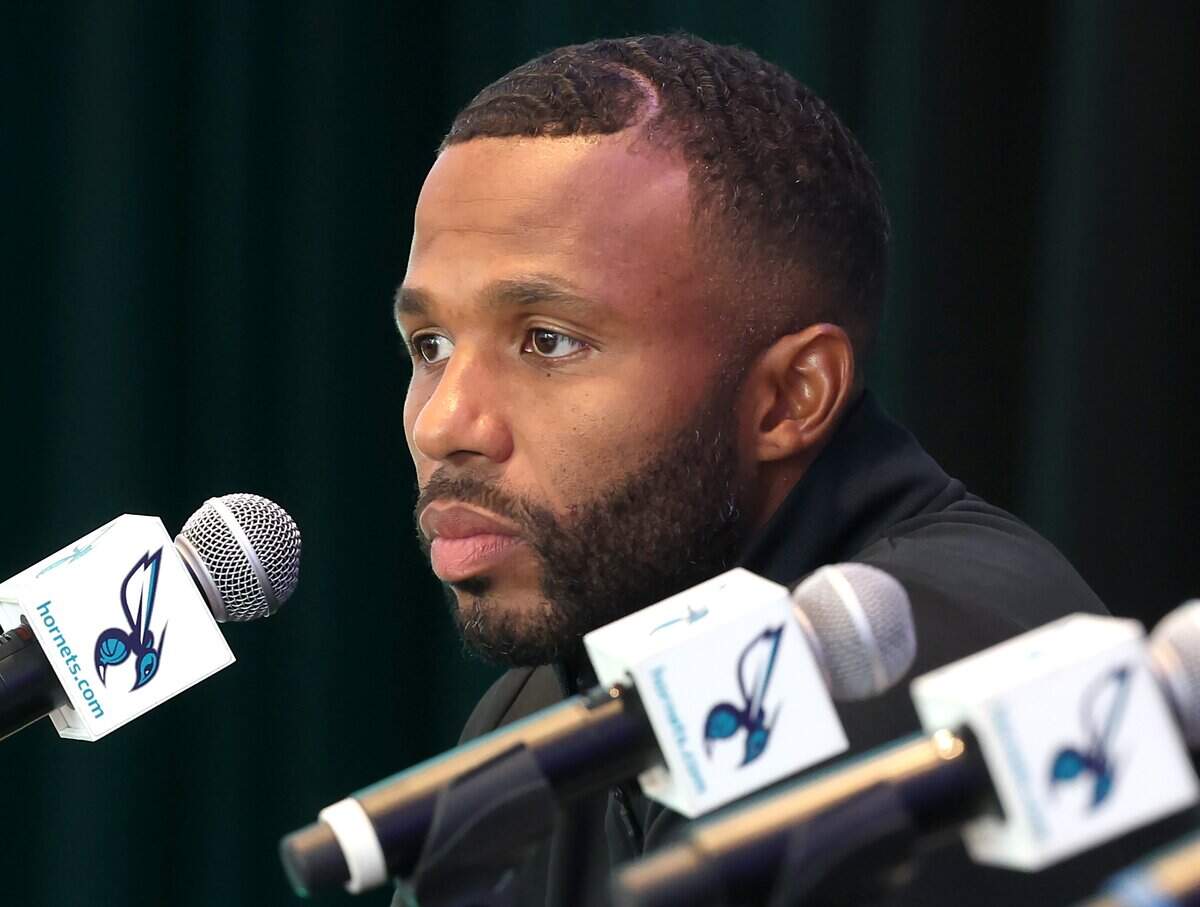
Peterson finally discusses trade
Peterson was finally available to talk about the trade Saturday, 16 days after the news first broke (the trade had to become official first for him to comment, by NBA rules). During his news conference Saturday, I asked him about the idea that this sort of trade may be a defining moment for his career, good or bad.
“Yeah, I never look at these decisions in terms of, ‘Is this going to help me preserve my job?’” Peterson said. “That’s not what I do this for. At the highest level, I feel like I have a responsibility and a duty to do what’s best for the Charlotte Hornets and the fan base and the organization. So, not one time will you ever see me make a decision — whether it’s draft, trade, free agency — and look at it through the lens of like, ‘If this goes well, I’m safe. And if it doesn’t, I’m going to get fired.’ That’s not why I do it. That’s not why I will ever do it.”
Of course, not making a big move when you’re supervising a team that has the NBA’s longest active non-playoff streak — that’s a decision in itself. To choose to do nothing is a choice.
Yet the Hornets were one of the best teams in the NBA for the last half of the season by several metrics. Ball, Brandon Miller, Kon Knueppel and Bridges led that charge, and two of those four players are now gone.
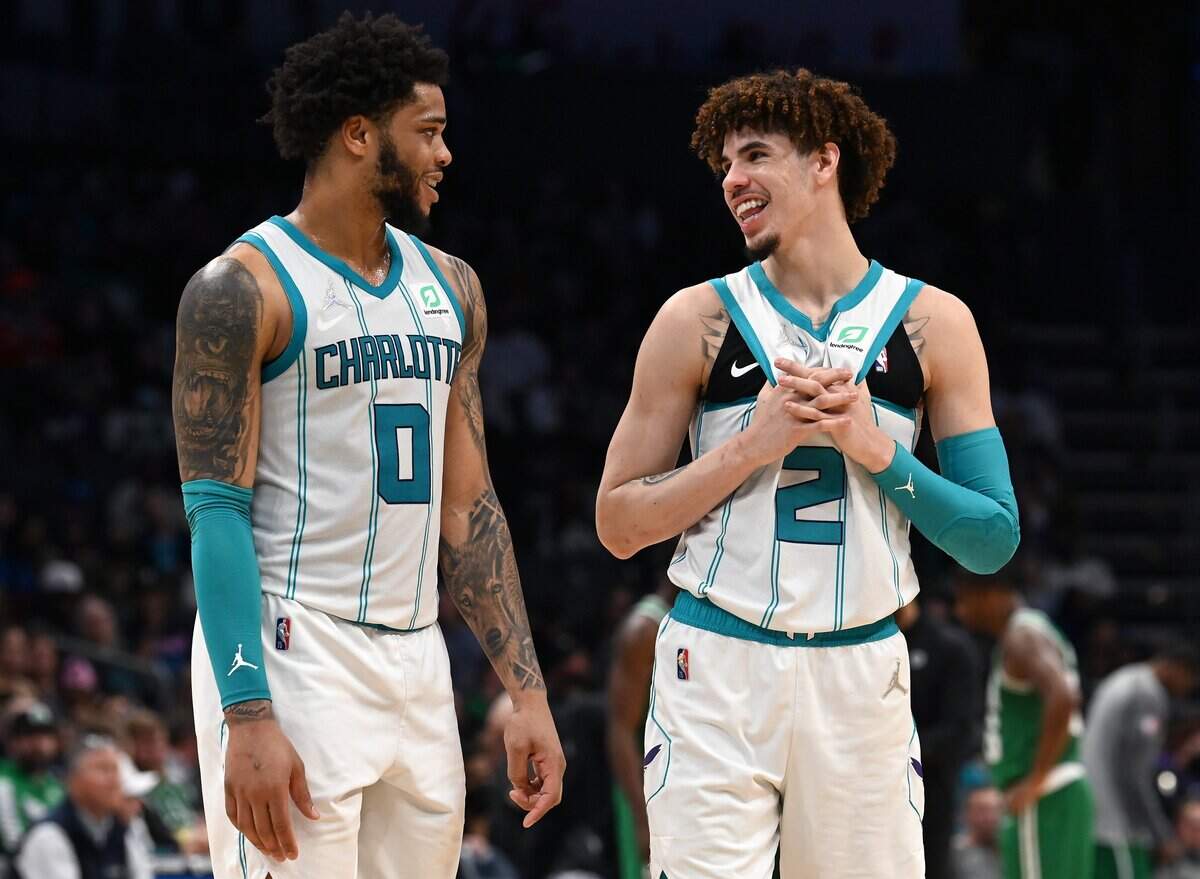
The Hornets did add a starter in big man Naz Reid in the Ball trade, and Reid has “been a target for years,” said Peterson. They also re-signed Coby White to take Ball’s place as the starting point guard. Peterson doesn’t buy into the common theory that the Hornets have taken one step backward now to take two steps forward later, saying that he was very excited about the current roster.
The GM did admit, though, that he understood what some upset Charlotte fans were saying.
“Look, I do empathize with the fans,” Peterson said. “And I understand just where they’re coming from. I mean, if I’m honest? I love LaMelo.”
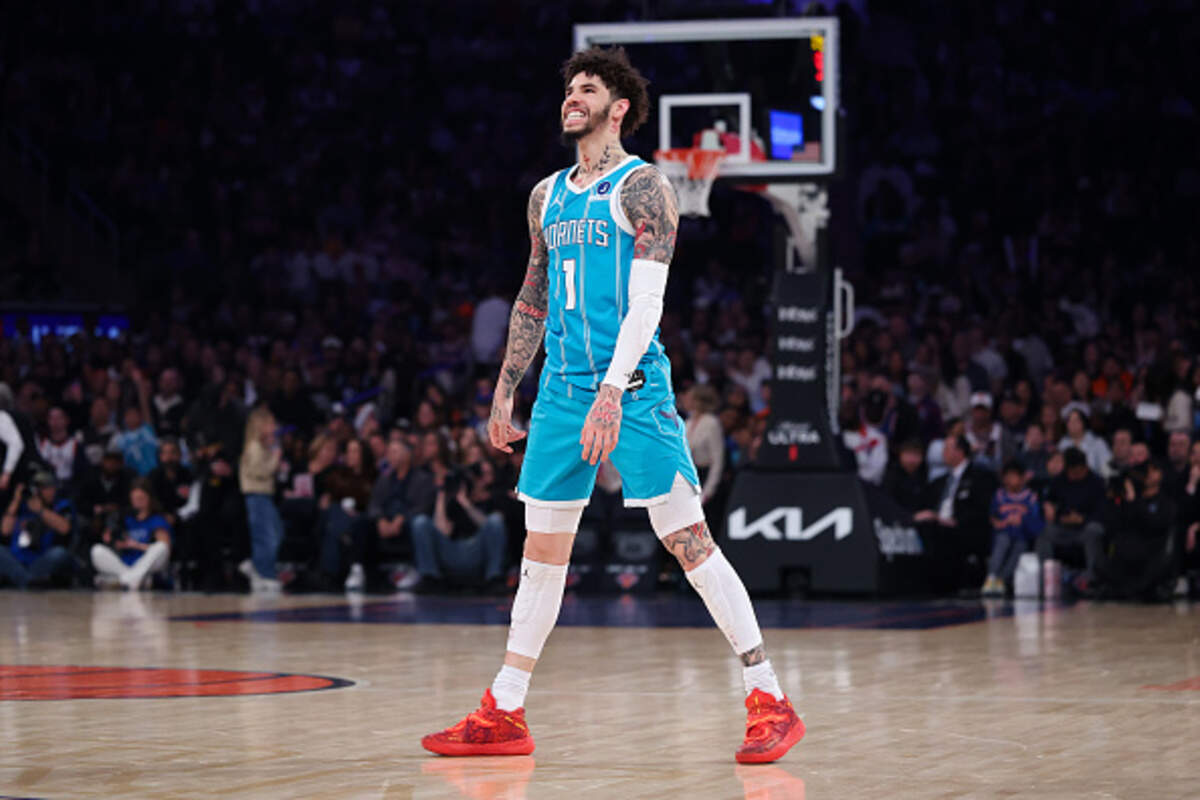
‘An honest look in the mirror’
It’s worth noting that Peterson did the sort of thing that Brad Stevens just did in Boston. Stevens has been voted the NBA’s Executive of the Year twice in the past three seasons. He’s the current gold standard for those in the roster-building business. But Stevens just made the controversial decision to trade away Jaylen Brown, who has been a far more successful NBA player than Ball so far in all sorts of ways.
So … this happens.
And in this case, it happened because Peterson and company obviously did not think a team with Ball — flashy, talented, ball-dominant, defensively challenged and a guy you never, ever want to let drive the team bus — wasn’t going to get the Hornets where they want to go.
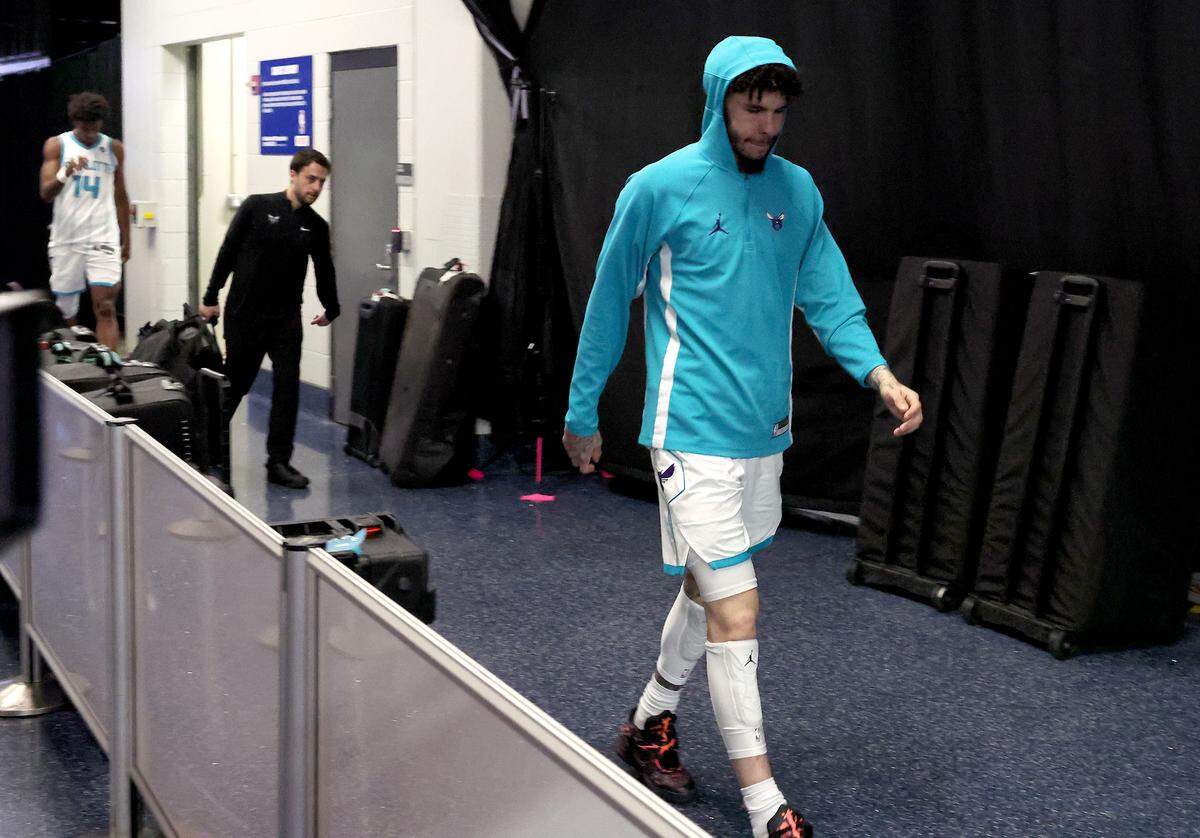
Some examples of Peterson quotes to this effect:
- “It’s important to take an honest look in the mirror.”
- “The goal is never to compete for a play-in spot, right?”
- “It’s my job to not just look at half of last season or two-thirds of last season.”
That’s a man who made up his mind that things must change.
And while the Hornets’ ownership team certainly knew what was going down and the coaching staff did, too, the bottom line is that this one will hang on Peterson’s neck.
It might hang like a gold medal.
It might hang like an albatross.
But one way or the other, when you talk about Peterson from now on, the LaMelo Ball trade is going to be there.