
What Appalachian State saw in Clifton Duck, the rest of college football ignored
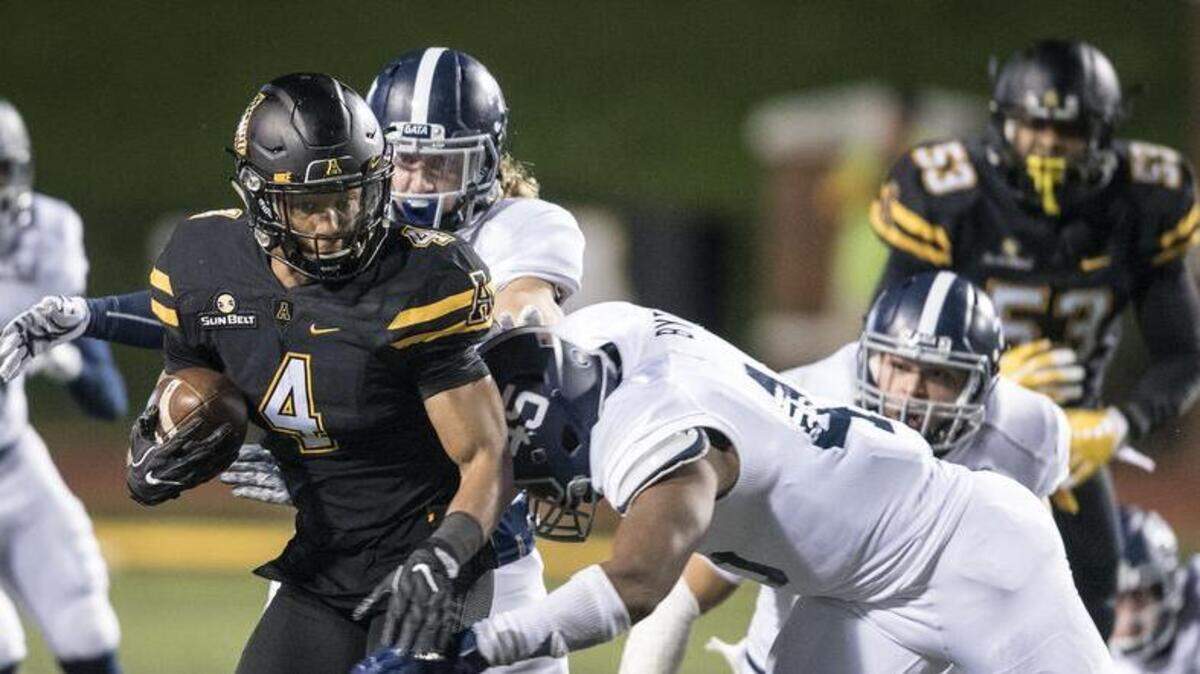
You could sum up Clifton Duck’s college recruitment back in the fall of 2015 as “Boone-or-Bust.”
Technically, Toledo expressed interest, but that waned when the defensive backs coach there left for another job. Appalachian State was the only college football program confident enough that the former Butler High School star was worth a full scholarship.
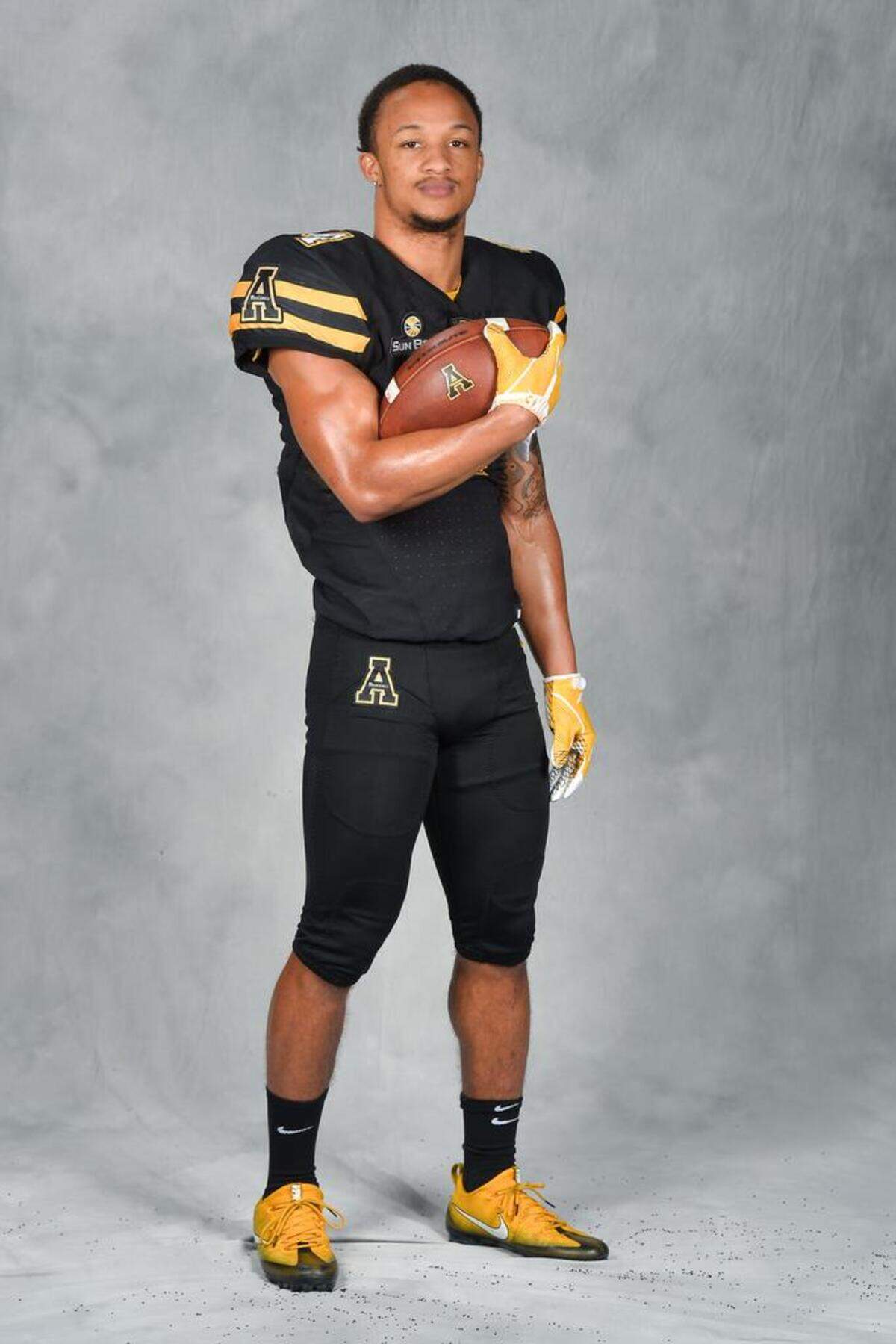
Turns out that speaks poorly on other coaching staffs’ ability to project beyond obvious measurables. At 5-foot-10 and 170 pounds, Duck was never going to have prototype size at cornerback. However, that didn’t stop him from being a starter as a true freshman at Tennessee in 2016, and it’s already been worth 11 interceptions in two seasons heading into the Mountaineers’ opener Sept. 1 at Penn State.
Duck is now so valued in the Football Bowl Subdivision that Street & Smith named him second-team preseason All-America. It would be understandable if Duck looked back on his limited recruiting experience as a snub. Instead, he views it as the gift of clarity.
“I’ve actually told my parents for those guys with all those offers, I don’t know how they make a decision! All the things they say to persuade you,” Duck said. “I knew this was my one path. Like, ‘This is where you need to go.’”
That’s self-awareness: If there is anything Duck has learned about football and life, it’s the danger of indecision. He thinks back on participating in spring practice in 2016 and how laughably overwhelmed he was. That’s understandable: He barely knew his way around Appalachian State’s campus after graduating early from Butler. But it certainly wouldn’t do.
“I was lost, confused, having circles run around me. I wasn’t making any quick decisions. After plays, I was just standing there making sure I was doing everything right,” Duck recalled.
“Getting beaten has to happen and getting that all out of the way in the spring was probably the best decision I ever made.”
Duck isn’t exaggerating. Appalachian State coach Scott Satterfield recalls thinking at the end of spring drills Duck might play in a couple of years, not a couple of months.
‘Very feisty’
That Satterfield even had Duck on the radar is a quirk of sorts. The coaches were in Charlotte for a summer camp and there was this little guy with an insatiable hunger for drills.
“He tried to get every rep at wide receiver and cornerback. He wasn’t big, but he was quick and very feisty. We thought, ‘Man, this guy is pretty good,’ and we immediately tried to get him,” Satterfield said.
After that perplexing spring practice, Duck returned to Boone in August essentially reinvented. He was assertive enough to make the split-second decisions incumbent on cornerbacks good enough to start. Satterfield says there was no reservation about starting him against the Volunteers in Knoxville and the results in a near upset (the Mountaineers lost 20-13 after leading much of the game) justified the decision: Duck had two pass breakups and seven tackles.
What he most recalls about that game is competing against future NFL players, such as running back Alvin Kamara and quarterback Josh Dobbs, and not looking out of place. It resonated the rest of that season: Duck finished with four interceptions, including a pick six against Idaho, and was an emerging star on a 10-3 team that won a bowl game against Toledo — that team that pulled back on a scholarship offer a year earlier.
Duck’s growing confidence allowed him to employ a level of savvy and ball skills that raise him above most college defensive backs.
“He knows everything about what he has to do, as well as the others around him. It (allows him) to jump routes or to know to be a little bit deeper against certain formations,” said Bryan Brown, Duck’s position coach and also co-defensive coordinator.
“Whether it’s against a wide receiver, or even a tight end, he has that heart, that mentality, that he’s 6-2. If you’re very quick, smart and have jumping ability, you have what we want and we don’t care whether you’re 5-8 or 5-9, we’ll take you.”
Also, that “feistiness” Satterfield noticed translated increasingly to both game situations and practice intensity.
“His shoulders can be down there on the ground, but he’s going to make a play. He’s not as tall as some, but he’s got as burning a desire as anyone on that field,” said wide receivers coach Justin Watts. “He takes that from walking out of the training room until the last whistle blows.”
‘PBU isn’t good enough’
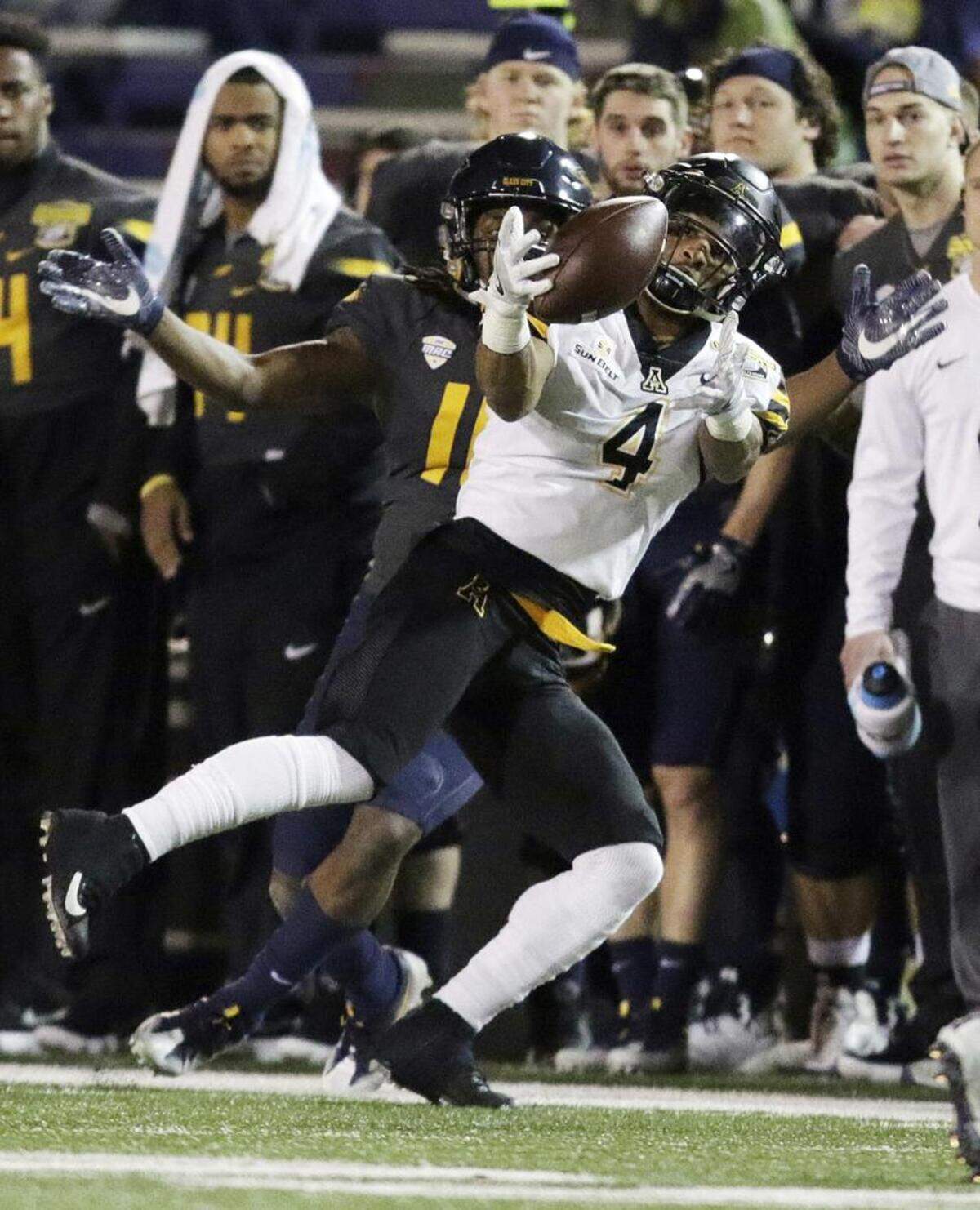
Not getting burned is a cornerback’s job. Interceptions are a cornerback’s dreamscape. No active FBS player has more than Duck’s 11 interceptions over the past two seasons.
“My IQ (merged) with my instincts and helped me play even sooner. In college football, you have (wide receivers) running 4.2s and 4.3s (in the 40-yard dash), so that one second (of indecision) can be the difference between a touchdown and a first down,” Duck said.
“Getting a PBU (pass breakup) isn’t good enough anymore: You’ve got to get that interception.”
Satterfield saw that potential on a Charlotte high school practice field, and no one else in college football noticed.
And Duck not growing to 6-foot seems quite trivial now.
Rick Bonnell: 704-358-5129, @rick_bonnell
This story was originally published August 24, 2018 at 4:34 PM.