NC State chancellor Randy Woodson cast decisive ACC expansion vote but won’t say why
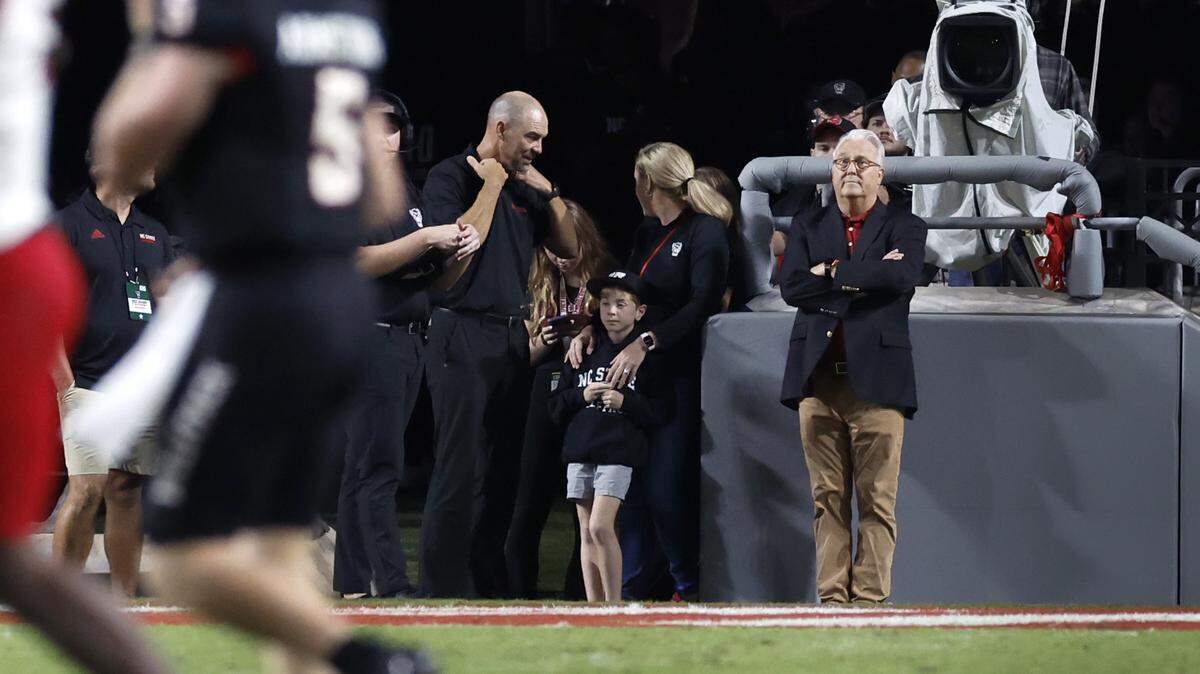
The man who cast the decisive vote for ACC expansion walked with speed out of a meeting Thursday and considered for less than a second whether he had a quick minute to explain his reasoning. More than a month had passed since the conference’s decision to add Cal, Stanford and SMU, and Randy Woodson, the N.C. State Chancellor, hadn’t yet detailed his decision to vote yes.
He’d released a prepared statement when the vote came to pass, but there had been nothing from Woodson since. No interviews. No in-person appearances at N.C. State’s faculty athletics committee meetings. At Centennial Authority meetings, the kind Woodson attended Thursday, he often sat near the door, and then rushed through it when they ended.
Did he have time, now, to talk about his expansion vote?
“Not today,” Woodson said with a laugh, heading toward the hallway.
There, he walked past another inquiry about whether he had a minute.
“I don’t,” Woodson said, hustling toward an elevator at PNC Arena.
“You can ride the elevator with me,” he said. “I just don’t have any comments.”
And so began a long 30 seconds. The conversation went like this:
You haven’t discussed the ACC vote.
“I’m not going to,” Woodson said.
Why is that?
“Because we agreed that the ACC would be the spokesman.”
But you and N.C. State were the deciding vote.
“No, no, no. There were 12 votes. As I’ve said, all comments about that will be through the ACC office.”
So you’re never going to talk about it?
“No. Because that’s the conference’s role.”
North Carolina talked, and expressed why it wasn’t in favor.
“Well, you know, that’s good for them.”
That shows you can talk, if you want.
“As I’ve said,” Woodson said, before the cycle repeated.
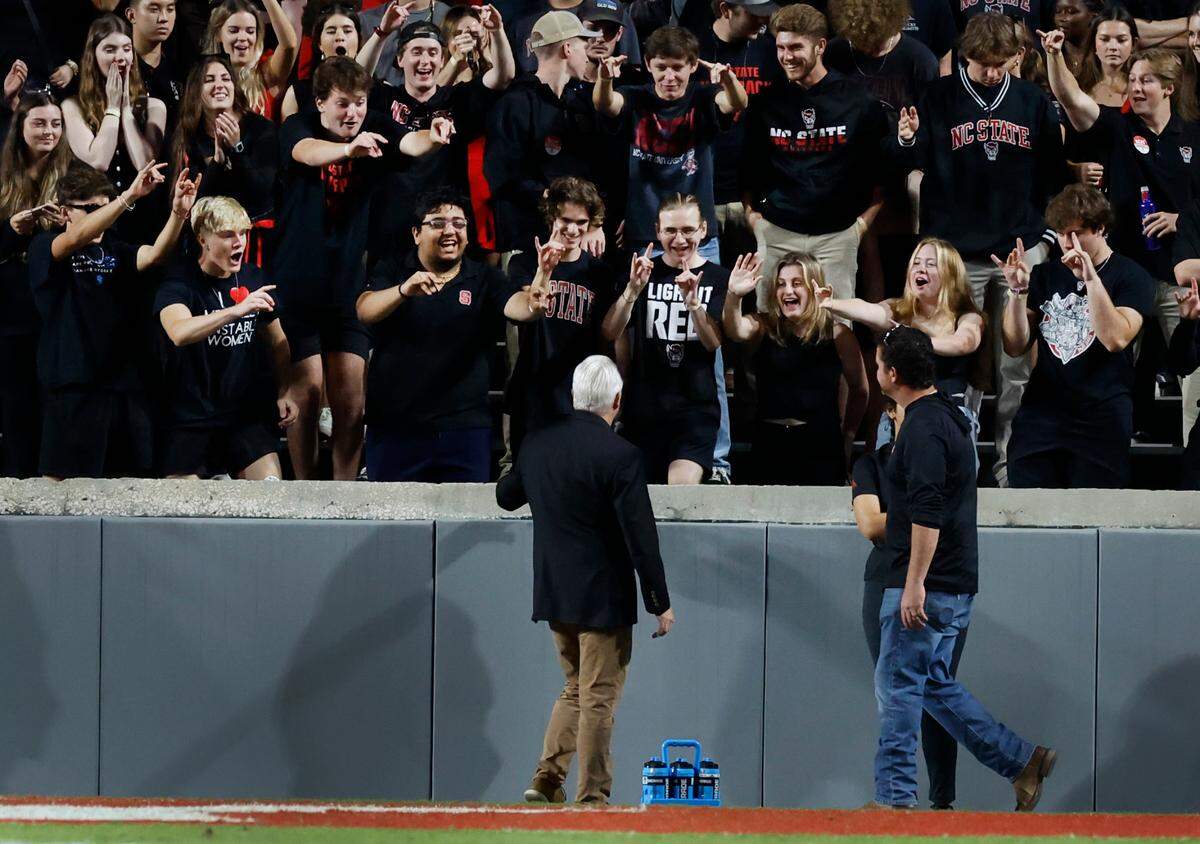
The ACC expansion vote see-saw
The question of expansion hung over the ACC throughout much of August, with its answer waiting to determine the future and direction of a conference born in Greensboro in 1953. The possibility that the league would expand, and add schools from the crumbling Pac-12 of the West Coast, at first appeared far-fetched. Then momentum behind the idea began to grow.
The league’s deliberations, with member schools’ chancellors and presidents holding all of the decision-making authority, transformed into a weeks-long drama. It played out behind the scenes, on teleconferences and phone calls, but leaks made their way to national college football reporters who posted breadcrumbs on social media, igniting a maelstrom of speculation.
The story changed often, with contradictory reports emerging within days or sometimes hours. In early August, chances of ACC expansion seemed faint. Then the possibility grew stronger. Then talks died down. Then they were back on. The cycle continued that way for weeks, with at least a couple of certainties becoming clear amid everything else that wasn’t.
One of those certainties was the schools the league was considering if it indeed decided to expand. Cal and Stanford, refugees from the Pac-12, needed a new conference home. SMU, the private school in Dallas backed by a cadre of big-money boosters, longed to rekindle its national relevance in football, and do so in a power conference.
The other certainty, for the ACC, came to be the dividing line between members who supported expansion and those who didn’t. The majority of the league’s 15 schools favored expansion. According to widespread reports, four schools didn’t: Clemson, Florida State, UNC and N.C. State. That left the league one vote short of the three-fourths majority, outlined in the conference’s bylaws, required to approve expansion.
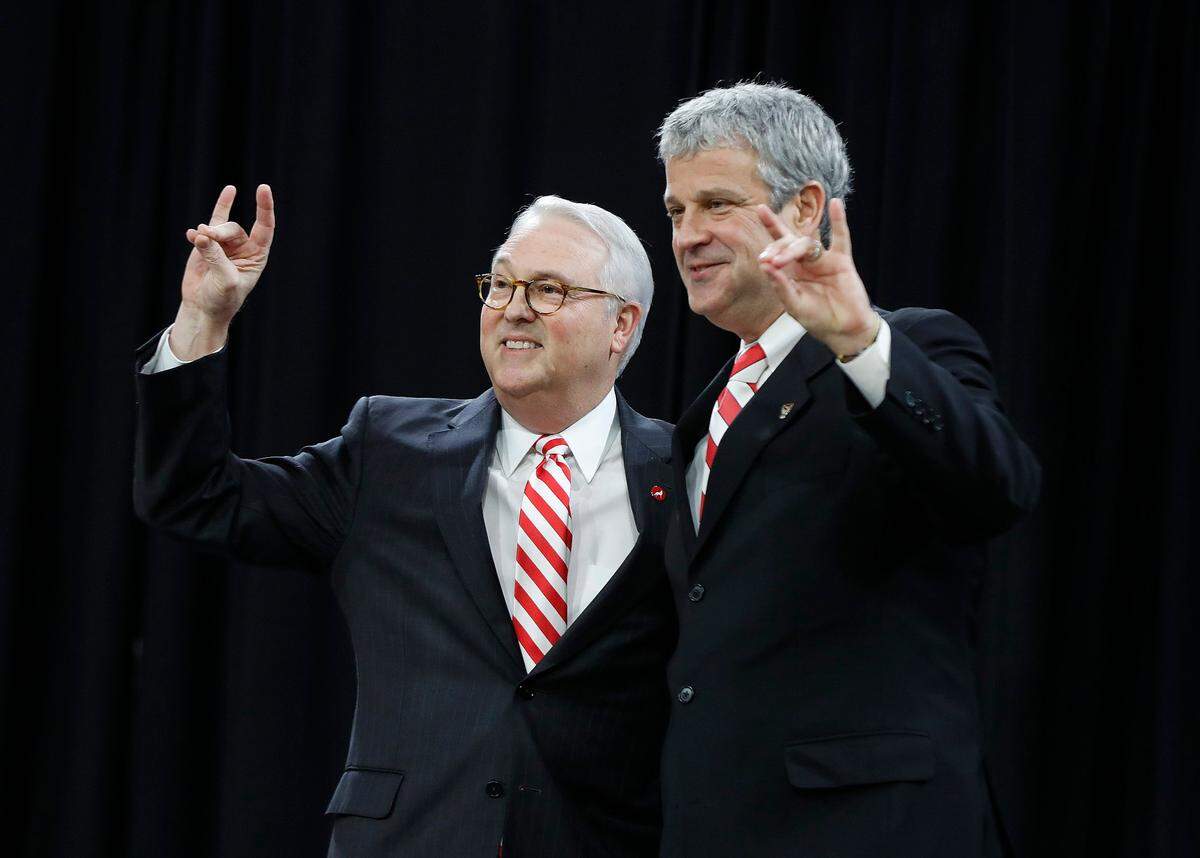
NC State changes its mind
For weeks, conference membership remained in a stalemate. The motivations for opposing expansion were clear for three of the four schools who were against the idea from the beginning. Clemson and Florida State have both expressed public displeasure with the ACC, and angst over the league’s growing television revenue disparity relative to the Big Ten and SEC. UNC, meanwhile, is arguably the most coveted expansion target of both of those wealthier leagues.
The reasons for N.C. State’s original opposition to expansion were less clear. Woodson on Thursday declined to explain why the university opposed the idea at the start, only to change course and cast the deciding vote that allowed the conference to add Cal, Stanford and SMU. The two California schools are more than 2,500 miles from the ACC’s headquarters in Charlotte. SMU is more than 1,000 miles away.
“We supported the deal,” Woodson said, when asked to explain his reasoning.
When reminded that N.C. State didn’t support expansion at first, he said, “It was a different deal.”
He didn’t elaborate.
The parameters of the ACC’s decision have been widely reported. The conference stands to gain a modest increase in television revenue from ESPN, though not nearly enough of one to account for the growing revenue gap with the Big Ten and SEC. In exchange for that, the league has added three schools that don’t fit geographically or culturally. Athletes from every school in the ACC will bear the burden of increased travel demands. Undoubtedly, academic conflicts will increase.
So cumbersome is the ACC’s impending arrangement that the conference is considering the thought of using the Dallas area as a neutral hub, of sorts, to host competition among ACC members in sports outside of football and basketball. The prospect of, say, Boston College and Cal meeting in North Texas for a baseball series sounds outlandish, and somewhat grim, but it could become reality.
‘They can get over the confusion’
At UNC, both Kevin Guskiewicz, the university chancellor, and Bubba Cunningham, the athletics director, have explained their opposition to expansion. During the university’s first faculty athletics committee meeting of the year, last month, they shared their concerns. Guskiewicz said the travel that will result from expansion could create conflicts with a university policy concerning class attendance. Two UNC athletes, meanwhile, shared their concerns about increased travel.
At N.C. State, Woodson hasn’t publicly addressed any similar concerns. Nor has he explained how and why the university came to support expansion, when it opposed the idea for weeks.
“I’m telling you that we supported the deal that we voted on,” he said Thursday. Reminded that some might remain confused as to why N.C. State supported that deal, and how he came to cast the deciding vote, Woodson bristled.
“Well,” he said, “they can get over the confusion and talk to the (league) office.”
The ACC provided expansion-related talking points to league schools, but the conference has not prohibited members from explaining why they did, or didn’t, support expansion. Woodson, though, repeatedly deferred to the league when asked what changed, and why he voted in favor of a move that will determine the ACC’s future, for better or worse, for decades to come.
“I understand what you’re asking,” he said, walking toward the parking lot. “But I’m not going to say anything.”
This story was originally published October 6, 2023 at 1:17 PM with the headline "NC State chancellor Randy Woodson cast decisive ACC expansion vote but won’t say why."