Why FSU coach, Gastonia native Leonard Hamilton’s retirement is such a big loss for ACC
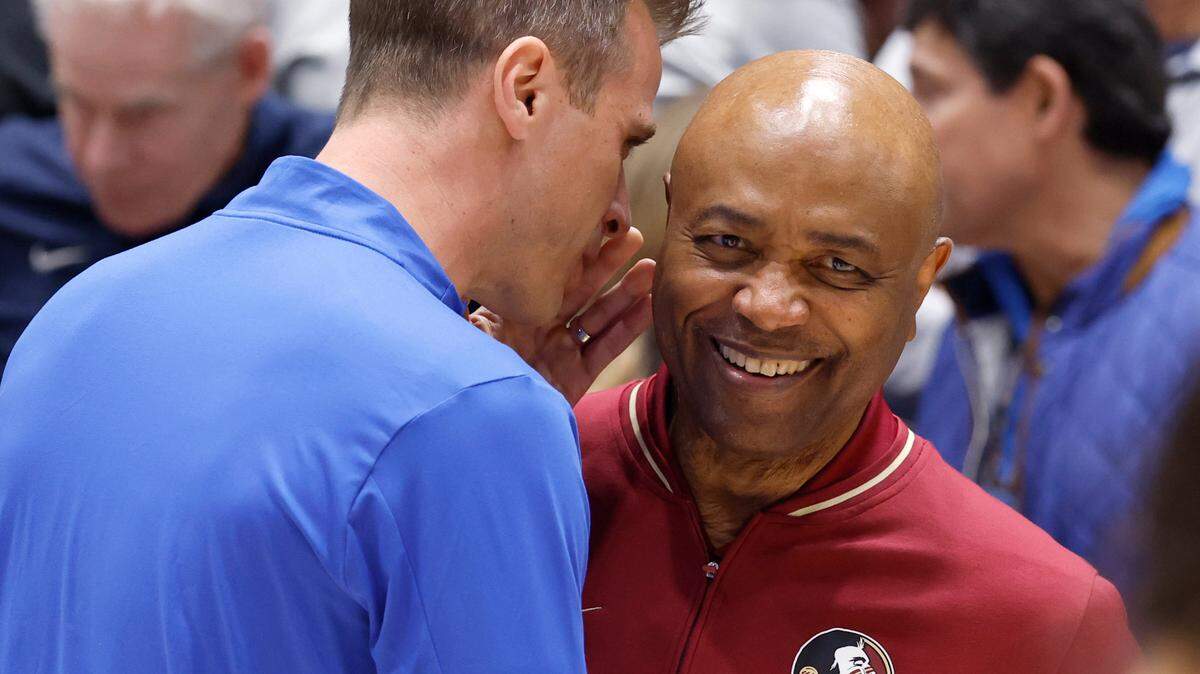
For one last time as a college basketball head coach, Leonard Hamilton is coming home and back to where it all began. Close enough, anyway. The distance between Gastonia and the Spectrum Center in Charlotte is about 25 miles, a short drive east through the rolling hills of southwestern North Carolina.
For Hamilton, the distance can be measured in a lifetime.
He grew up near the corner of North Morris Street and West Allison Avenue in Gastonia, and inside the church at the intersection there. The brick building that used to be Greater Mount Zion Baptist Church still stands, even if the services ended long ago. Hamilton came of age a short walk away, close enough “to stand on my back porch and hit the church window” with a throw, he said recently.
It was there he learned about faith and deliverance. About service. About mission work.

For the past 54 years, Hamilton has done this from the sidelines at Austin Peay and Kentucky and Oklahoma State and Miami and, since 2002, at Florida State, where he’s the ACC’s longest-tenured head coach — at least for a little while longer.
At some point soon he will coach his final game. It could happen as early as Tuesday in the first round of the ACC Tournament. An ending at the Spectrum Center, so close to Hamilton’s hometown, would represent something of a full circle moment; it’d be an appropriate finish line given his connection to the region and to this state and its basketball history.
Hamilton, 76, grew up in a time before integration. The ACC wasn’t yet born in his youngest years, and when it did come into existence he followed games on the radio or read about them the next day in the newspaper. There weren’t yet Black players in the league, let alone Black coaches, and “in my wildest dreams,” Hamilton said, “I never thought that I’d be coaching in the ACC.”
“I mean, I was just trying to figure out how I was going to dig myself out of that hole,” he said. “How I was going to make it.”
The hole was poverty. It was lack of opportunity. It was growing up in a part of America that looked down on people who looked like him. It was the lack of a proven path. And now look: Hamilton forged his own. For decades, he forged his own, until he realized recently that it was time. And so now he’ll join an illustrious club of ACC men’s basketball coaches who’ve retired or left; coaches who walked away because they’d had enough, in one way or another.
Over the past few years, just about anybody with any success or longevity has departed the ACC: Roy Williams. Mike Krzyzewski. Jim Boeheim. Mike Brey. Tony Bennett. Jim Larranaga. By default, Hamilton became the last of the old guard, a connection to the past and what made the league what it was for so long, and now he, too, has heeded the urge to walk away.
These decisions can be difficult but this one wasn’t. Not now. Not after so many years and so many blessings. When you know, you know – and Hamilton knew it was time, he said. Felt it. Accepted it. Part of it was age, yes. He’s been doing this a long time now. And part another part, he acknowledged during a recent conversation in his office, is everything else that’s changed.
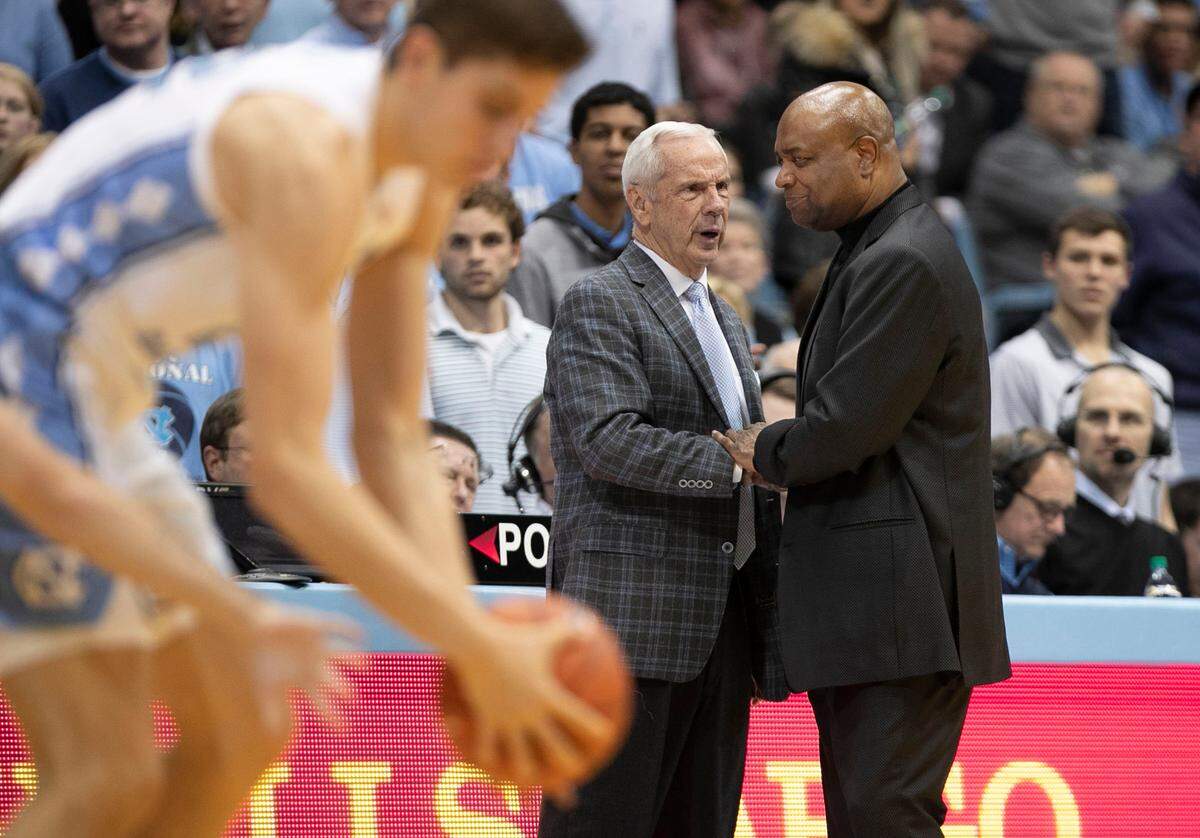
Williams retired from UNC in anticipation of some of those changes, like NIL and the increased activity of the transfer portal, and said when he left in 2021 that he was no longer the right man for the job. Krzyzewski spent much of his farewell season at Duke, the next year, preparing Jon Scheyer for what was to come. In some ways, though, it has been impossible to prepare for any of it.
Brey learned that. So did Bennett. So did Larranaga, who abruptly left Miami in December and cited exhaustion and frustration at what college basketball has turned into, with the constant roster turnover and the need for coaches to re-recruit their own players; with the money-driven exodus his own team suffered after it reached the Final Four in 2023.
“You have to begin to ask yourself, as a coach, what is this all about?” Larranaga told reporters at his retirement press conference.
For Hamilton, more than a lot of coaches, it has ultimately been about service. About wins and losses and competing and everything else coaches are judged by, too, yes — but also about those deeper reasons that influenced him to get into coaching in the first place: to change lives and to nurture. Years ago, during his tenure at Miami, Hamilton once felt himself drifting away from that mission.
He sought guidance from a couple of trusted pastors, both of whom he’d known for years. Decades later, Hamilton remembers part of the conversation like this:
“How am I supposed to know that I’m fulfilling my purpose?” he asked.
“And they told me,” he said, “that when peace and understanding comes over you, and you feel good about what you do each and every day — that’s how you know.”
He has felt that way most of the time throughout his tenure at Florida State, he said. The triumphs have helped. The 2012 ACC Tournament championship. The run of NCAA Tournament appearances – four in a row from 2009 through 2012, and what would have been five consecutive appearances from 2017 through 2021, if not for the pandemic.
Who knows how far those 2020 Seminoles might’ve gone if not for that? They were on the court late that Thursday morning warming up for a noon game against Clemson when the world changed, and stopped. John Swofford, then the ACC Commissioner, canceled the tournament after several other leagues had canceled theirs. And then came the hastily-arranged trophy ceremony, Hamilton and his players basking in the awkward uncomfortability of it all.
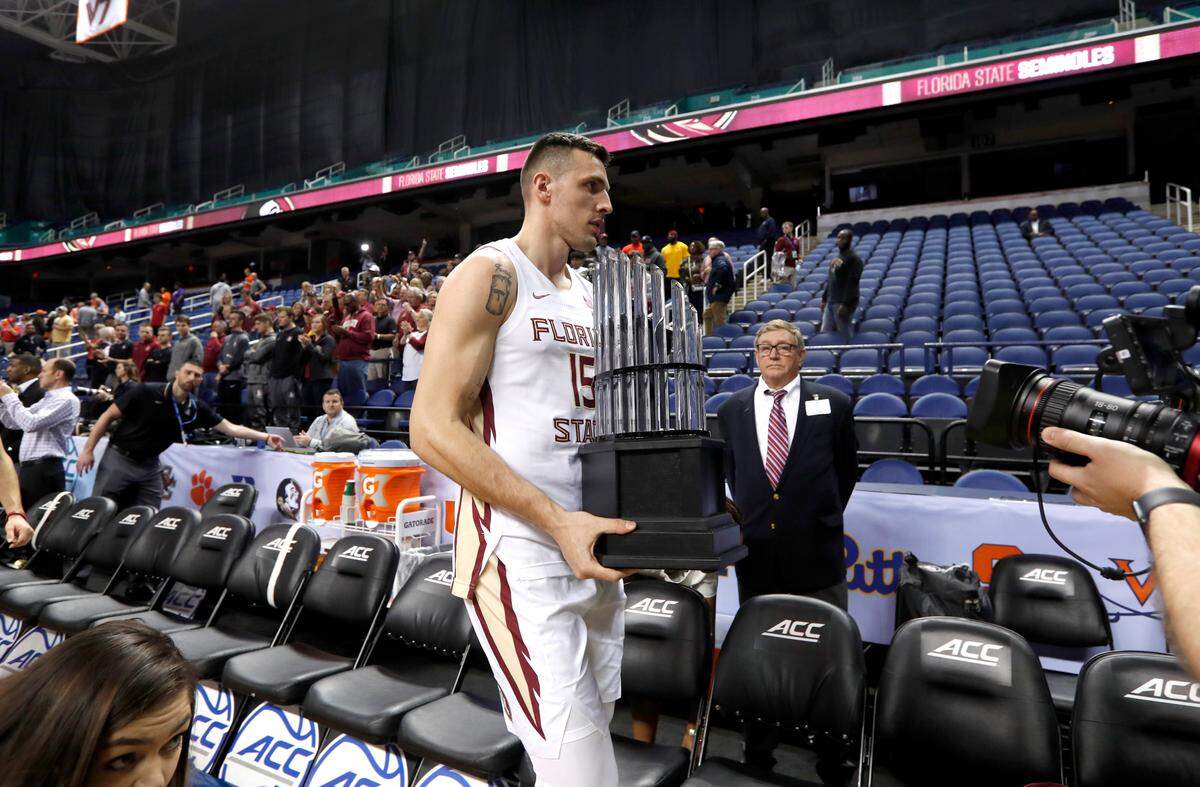
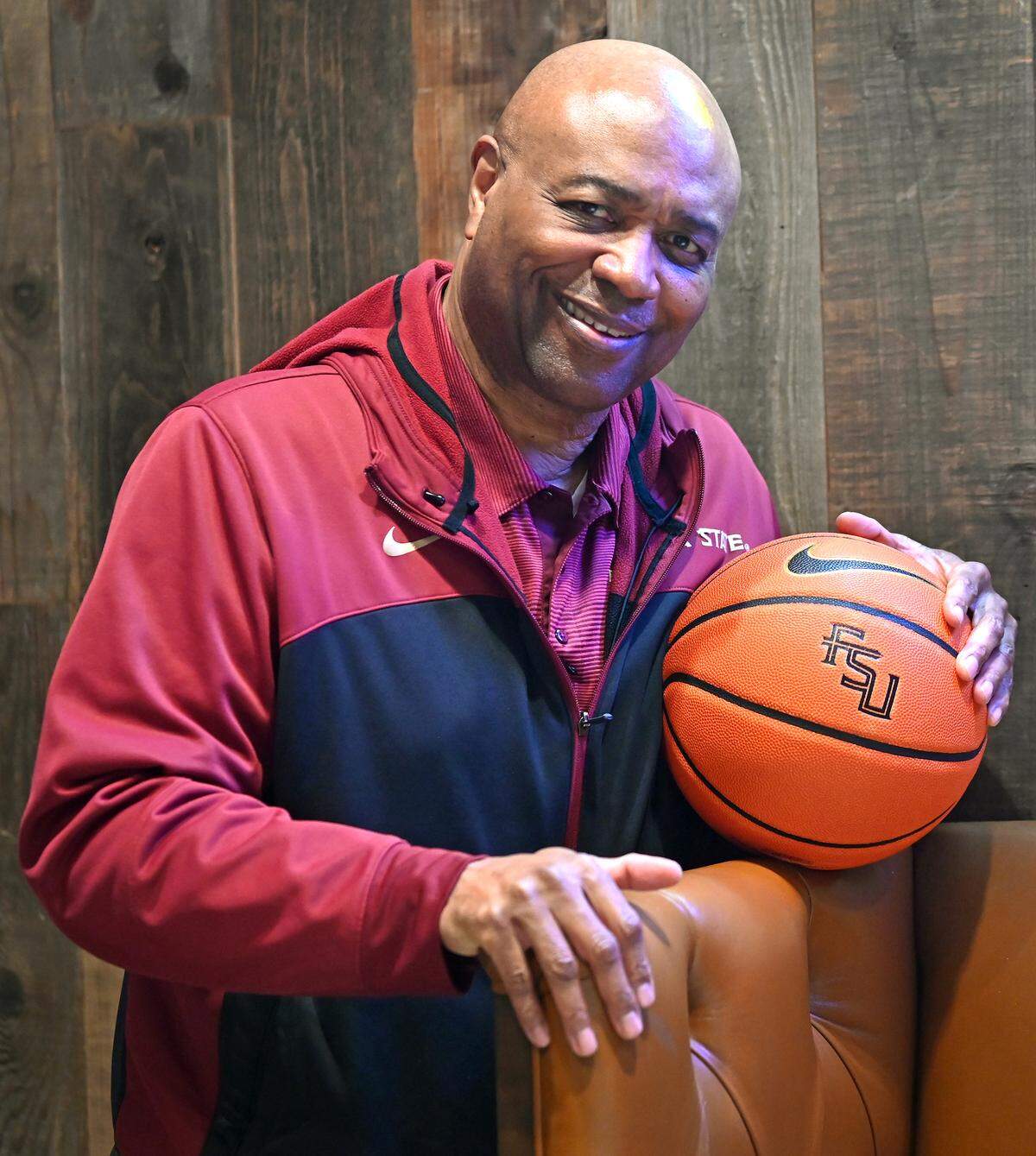
There haven’t been as many highs the past few years but Hamilton late last month didn’t find himself thinking much about games, anyway. During 45 minutes of reflection in his office, surrounded by some of those trophies and awards, he thought more about the intangible. All but one of his four-year players had graduated, he said. He’d watched his players become husbands and fathers and, some of them, coaches, themselves.
Lately, though, Hamilton acknowledged he’d been finding it more and more difficult to teach and lead how he wanted. It’s never easy, but it’s more difficult when players are around for only a season; when rosters essentially flip over year after year after year.
“I’m at a loss for words,” he said, “trying to kind of describe this new era of college sports.”
One of the most underappreciated things about Hamilton is his dry wit and humor; his ability to deliver verbal burns while remaining completely expressionless, the tone of his voice remaining neutral. And so began a deadpan monologue espousing the brilliance and foresight of those who’d allowed these changes to happen – except, one thing: without actually saying it, Hamilton underscored the lunacy of how these changes, like NIL and the portal rules, were implemented.
“I’m sure there was a committee that met and helped form the new model that we’re dealing with,” he said. “I’m sure they had a plan. I’m sure they had something in mind for how we were supposed to deal with the new narrative.
“I’m sure they had done a lot of statistical analysis. I’m sure they had this all well thought out. I’m sure there were psychologists in the room and there were specialists that helped them come to the conclusion this was the best way to deal with college sports ...”
And on it went like that, for a while.
Well, no matter. Hamilton won’t have to deal with it, anyway. But the subtext was obvious enough: How can a coach still coach nowadays, beyond the single-serving size of one season? Larranaga, Hamilton said, probably spoke for many of those in their profession when he opened up about his exhaustion, and his inability to keep up. A good number have decided they don’t want to keep up.
Now Hamilton will join them, at some point soon, a decision driven by age as much as an understanding that perhaps this era isn’t for him. Maybe it happens Tuesday. Maybe it happens Wednesday or Thursday. N.C. State a season ago offered a reminder that anything is possible. And yet there’s a lot about Hamilton returning to North Carolina in his final season that feels fitting, and as though his career was meant to end here, not far from where his journey began.
He has tried not to think about the end. He has tried to give himself to his team. It’s only human, though, to think about what’s next, and Hamilton has some thoughts. Aspirations, really. He wants to learn how to play the guitar. He said he “might even take voice lessons,” which could bolster his already-considerable skills as a Gospel singer. He wants to continue to serve, he said, perhaps in a ministry.
He will walk away, whenever it happens, at peace. And when the time comes, college basketball and the ACC will lose another part of what made them what they’ve been. There will not be another coach like Hamilton; another coach who grew up like he did — for better or worse — and who overcame what he overcame, and who could impart the kind of lessons he could impart.
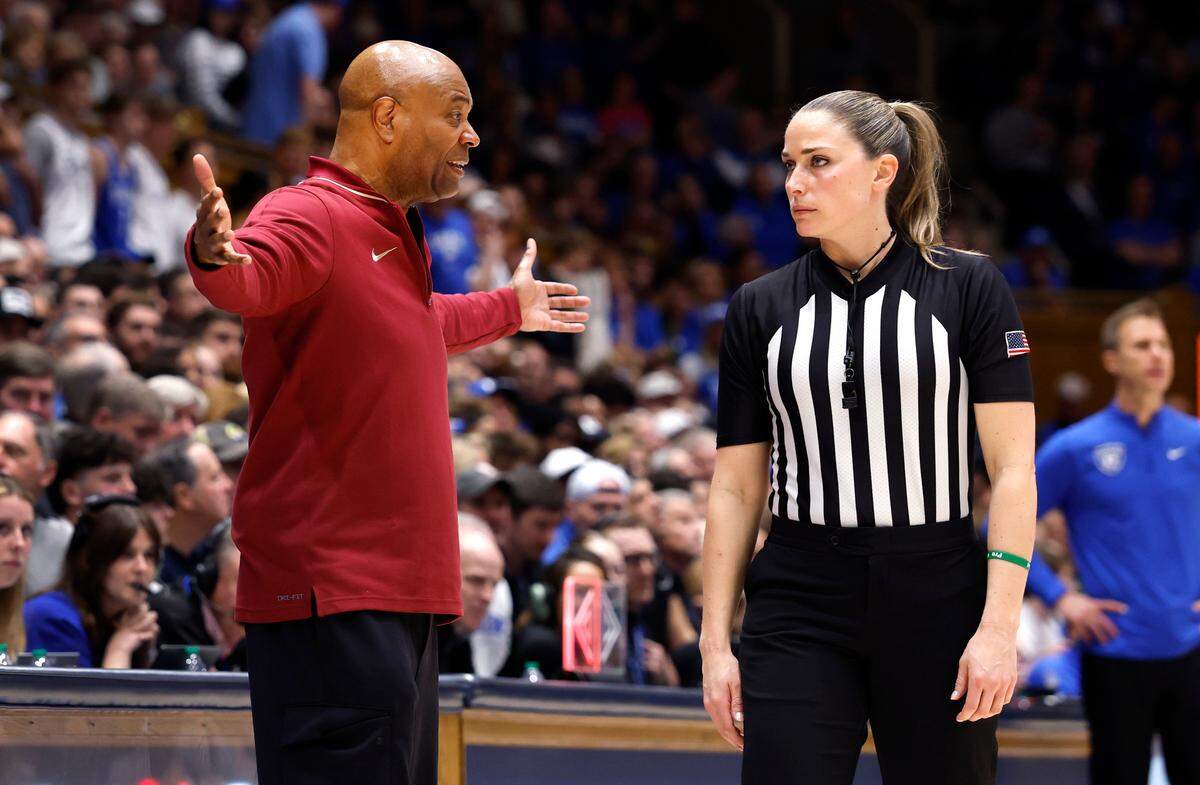
In their most memorable years under Hamilton, the Seminoles took on his identity. Few teams anywhere played more menacing defense. And when Hamilton finds himself frustrated with the ills of the sport he loves, or longing to leave amid a better season than this one he finds a reason to be thankful.
He reminds himself: “I can’t be very negative,” he said, “because from where I started from.”
And then he details it: “You know, eight of us living in a two bedroom house, four boys on two bunk beds in one room; my two sisters and mother and father slept in the same room. Bathroom on the back porch. To take baths, we had to heat water up on the stove.”
“For me to be where I am now,” he said, pausing. “By the grace of God, how am I going to complain, right? ... I mean, why, it would almost be blasphemy for me to be complaining about this and complaining about that as blessed as I have been, right?”
And now he comes full circle, one last time. When it ends, there will be time to learn the guitar. Time for those voice lessons. And the ministry.
His mission won’t end with his final game.
This story was originally published March 11, 2025 at 6:00 AM with the headline "Why FSU coach, Gastonia native Leonard Hamilton’s retirement is such a big loss for ACC."