
Lawsuit alleges approval of Belichick’s hire occurred in illegal closed session
AI-generated summary reviewed by our newsroom.
- Lawsuit claims UNC trustees approved Bill Belichick's hire in illegal session.
- Complaint alleges repeated misuse of closed meetings for athletics decisions.
- UNC faces scrutiny for hiding policy discussions behind personnel exemptions.
CORRECTION: This story has been corrected to reflect that Chris Clemens is the former UNC provost.
A new lawsuit alleges UNC’s Board of Trustees approved the hiring of Bill Belichick in an illegal closed session in December, among other violations of North Carolina’s open-meetings and public-records laws.
Former UNC provost Chris Clemens filed the lawsuit in Orange County Superior Court. The lawsuit, which largely revolves around the issue of tenure deferral, outlines a “pattern and practice” by UNC’s trustees to systemically hide “matters of grave public concern behind closed doors.”
To bolster his argument, Clemens — and David McKenzie, his lawyer, cited multiple examples — many of which pertain to athletics.
In the case of Belichick’s hiring, the lawsuit alleges “substantive deliberation occurred in secret” during a Dec. 12, 2024 emergency meeting by the Board.
Clemens and McKenzie highlighted this as one of three examples since 2023 in which the trustees discussed athletics in closed session. All of these meetings, as argued in the lawsuit, are part of a larger pattern of “closed session violations”:
- November 2023: The lawsuit states the Board entered closed session to discuss UNC’s ACC alignment and compare “potential financial outcomes with SEC or Big Ten membership.” These are, as the lawsuit states, “policy matters that belong in open session.”
- May 2024: The Board once again used closed session to debate conference realignment strategies and athletics department finances, the lawsuit alleges. Institutional affiliations and budget planning, according to the lawsuit, don’t qualify for statutory exemption.
- December 2024: The Board called an emergency meeting (with “minimal notice,” the lawsuit asserts) and entered closed session to approve Belichick’s hiring. The lawsuit contends Belichick’s “compensation package and entire hiring was already public,” so there was not a proper subject for closed session.
These episodes, as Clemens and McKenzie argue, follow the same pattern: a statutory exemption, a closed session and a discussion of policy or budget matters that “must be debated publicly.” The lawsuit alleges violations prevented public understanding of what transpired in each of these discussions.
McKenzie’s history with UNC Athletics
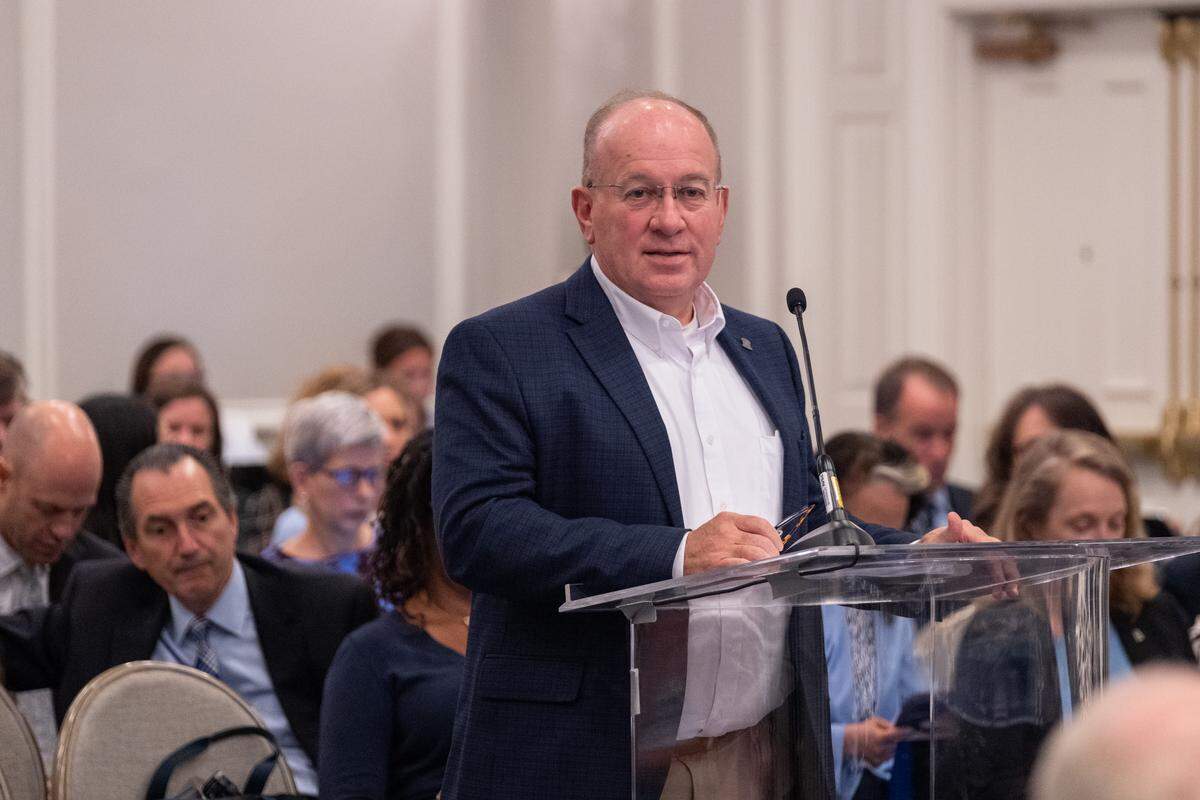
Clemens’ attorney, McKenzie, is no stranger to litigation with UNC — especially on athletic matters.
McKenzie prevailed in a lawsuit against UNC and its Board of Trustees for the May 2024 closed session.
Orange County Superior Court Judge Alyson Adams Grine issued a temporary restraining order on May 16, 2024 — a day after McKenzie filed a complaint — that stopped the board “from going into closed session to discuss UNC Athletics’ financials, budgeting, deficit or ongoing future conference alignment and related strategic planning.”
UNC later settled with McKenzie for the May 2024 lawsuit, paying him $25,000 in July 2024.
McKenzie sued UNC again in February over its opaque billing practices and refusal to release full records of its transactions with the law firm Skadden, Arps, Slate, Meagher & Flom LLP.
The university had retained Skadden as part of the “Carolina Blue matter.” Former Board of Trustees member (and current North Carolina State Auditor) Dave Boliek described the “Carolina Blue matter” as a group with the purpose of looking “at the future of college athletics.”
That would obviously include, as The Athletic previous reported, an exploration of conference realignment.
Belichick and the December closed session
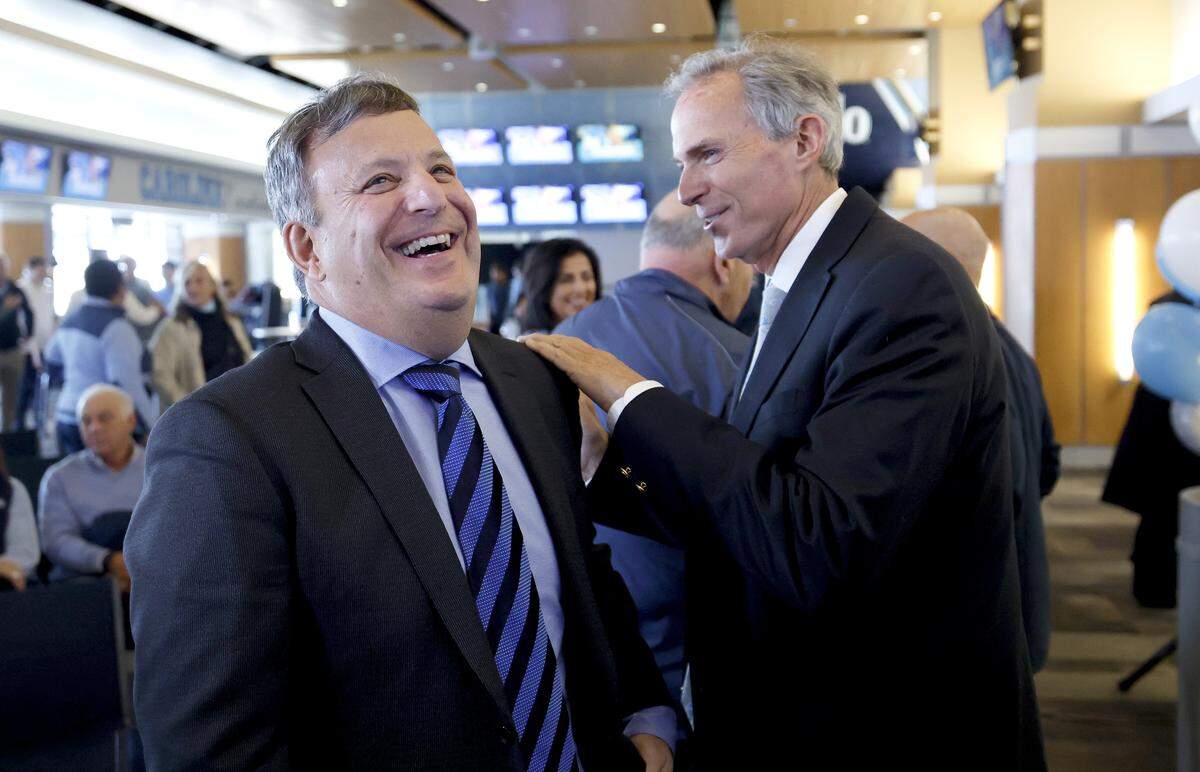
On Dec. 12, 2024, the Board held an emergency meeting and went into closed session for 41 minutes.
After emerging from closed session, the Board approved the hire of Belichick, as well as UNC women’s soccer head coach Damon Nahas.
The hiring of Belichick, as emphasized in Clemens’ lawsuit, included a multi-year, multi-million-dollar commitment with additional compensation obligations for Belichick’s sons (defensive coordinator Steve Belichick and defensive backs coach Brian Belichick) and expanded staff. That placed the “total exposure well into the tens of millions over five years.”
The lawsuit paints Belichick’s hiring terms, as well various past tenure matters, as policy issues pertaining to systemic costs that belong in open session.
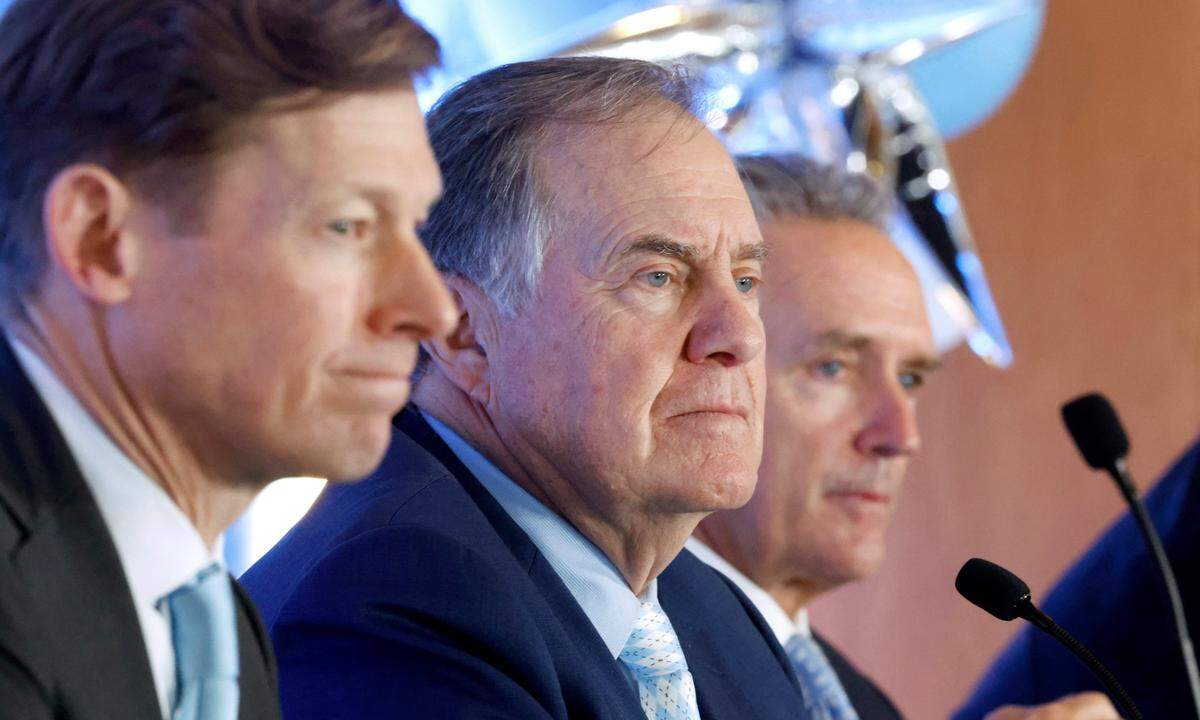
Instead, the Board returned to open session on Dec. 12 for a matter of seconds for a “rubber-stamp vote,” the lawsuit states.
The Board’s use of the personnel exemption to shield policy deliberations from public view not only violates North Carolina’s open-meetings and public-records laws, the lawsuit states, but also “the fundamental principle that public business must be conducted in public.”
This story was originally published September 23, 2025 at 5:30 AM with the headline "Lawsuit alleges approval of Belichick’s hire occurred in illegal closed session."