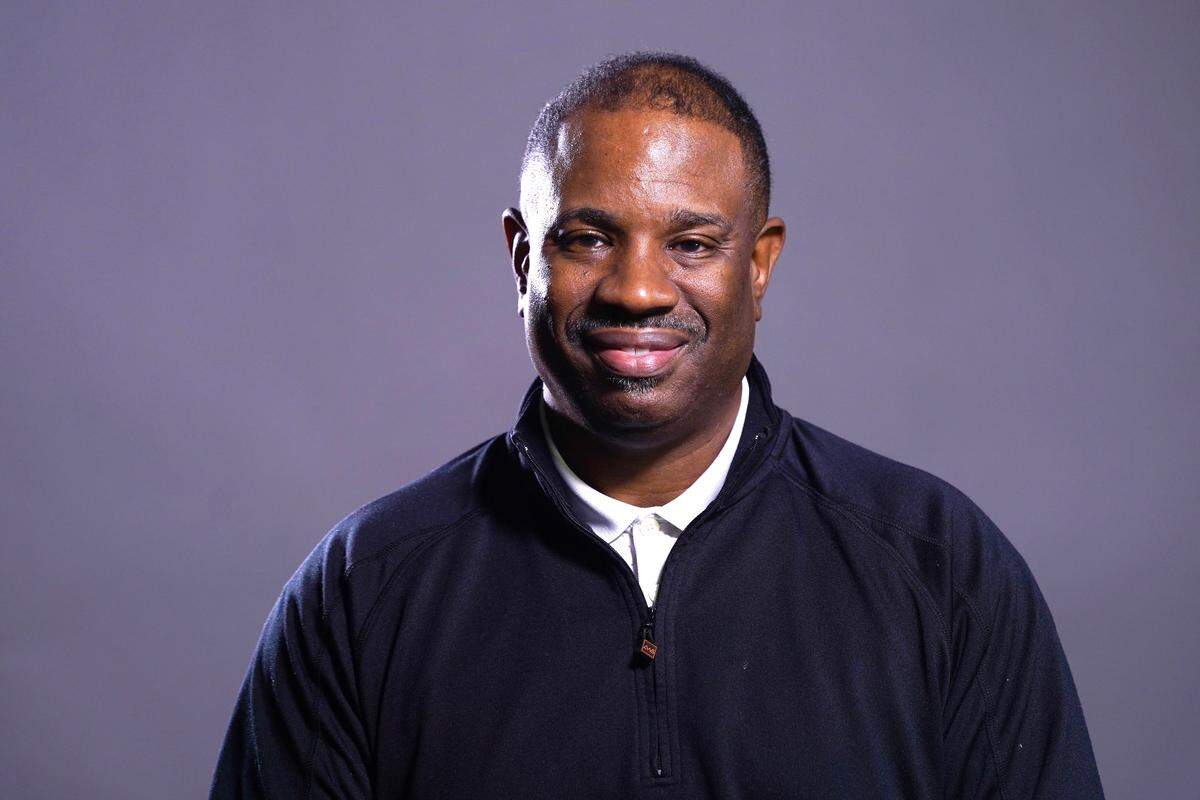
Charlotte football coach Will Healy on Club Lit, bowls, rivals and staying around
Second-year Charlotte 49ers football coach Will Healy thinks the secret to his success is hiring really good people.
In 2016, he took over the team at Austin Peay that had been among the worst in NCAA Division I. In 2017, he said he built a great staff and signed the FCS’s No. 1 recruiting class, according to Yahoo Sports. In 2017, the Governers finished 8-4 after, at one point, winning just one of their previous 46 games.
He worked similar magic in his first year at Charlotte, improving the 49ers relationship with local high school coaches, ramping up recruiting and posting the school’s first winning season -- and first bowl appearance.
At 35, Healy is a young coach on the rise, but speaking on the Observer’s “Talking Preps” show last week, Healy said he didn’t plan to go hunting a bigger name job anytime soon.
“I think the crazy thing about this profession,” he said, “is they could get sick and tired of me in a few years too, and you can get fired,” he said. “So you have no idea what tomorrow is gonna hold...My goal for Charlotte is that Charlotte becomes the big-time program. I don’t want to go take another job. I want Charlotte to become that big job.”
Healy talked about having success, taking part in a Black Lives Matter march and how he created a post-game locker room party after wins, appearing on the Observer’s Talking Preps streaming show.
His answers are lightly edited for brevity and clarity.
Q. When you guys win games, the locker turns into a party atmosphere. How did “Club Lit” get going?
Year 1 in Austin Peay, you go 0-11. Year 2, you start off getting beat by Cincinnati and had a shot to win the game. The next week, we go play at Miami of Ohio and have no juice, guys aren’t really interested in playing. One of the sixth-year seniors, who had won one game in six years, said to me, “Coach, Monday through Fridays, have been our way of hiding, you know. Saturdays we’ve gotten our butts kicked, so Saturdays have not been a whole lot of fun.” The following week, we were playing Morehead State, we had a 29-game losing streak, and lost 45 out of our last 46 games, and I said “When we win on Saturday, we’re gonna have more fun playing college football than anybody in the country.” So we end up winning the game. We tear down the goalposts. We smoke cigars in the locker room. And I started just celebrating success, you know.
And then Club Lit was a spin off. We created Char-Lit when we first got here and now we’ve turned our locker room into a club with a DJ and, you know, my wife just loves it so much when she can see me on TV with my shirt off, so I thought I would give her what she wanted.
Q. You took part in a Black Lives Matter march. What are you thoughts about the movements and race relations in general?
I’m a 35-year-old white guy from Tennessee, who grew up on the lake, went to a private high school, went to a private university in the University of Richmond. The only time I’ve been a minority and had opportunities to really develop relationships with Black people or Hispanic people has been through athletics. And so first off, let me just be the first one to say I don’t have it figured out. I don’t understand. I tell our guys that I don’t understand. But here’s what I do understand: I understand perceptions.
I’m a white guy coaching a lot of black players, and it looks bad when you’re making money and they’re not, and it looks bad when you’ve had a white coach in your past that maybe just cared about you if you’re playing really good football or wasn’t near as consistent.
I think it’s just really important that our players understand that I am working in understanding them, that I have their back, that I want them to have a voice, that I want to create a safe net of a place where they can tell me how they really feel. I want to educate them. And I want them to educate me about their experiences and what I can do to help.
Q. At 35 years old, you are young enough to really relate to your players. Does that give you an advantage in recruiting?
There’s a relatability factor, if that’s a word, that I think that you automatically have when you walk in the door and you look 12 years old. What I’ve got an answer is how does this 12 year old going to help my son become a grown man by the time he leaves? It’s not always roses here. I’m not going to sell you that this is Disney World every single time you step in our office. We’re going to work really hard. We’re going to play really hard. How you represent our program is extremely important to me. The perception that people have of the people in our building is extremely important to me So, yes, I definitely think it helps you relate. I’ve got to answer the other question and that is, I’m mature enough and I care enough about your son to help him reach his aspirations.
Q. In the prior Charlotte staff, the coaches didn’t build relationships with local schools very well. That changed quickly once you took over. What was behind that?
I thought the last staff did a tremendous job and I’m not saying anything about what they’ve done. I was very fortunate to be able to win with their players a year ago. I thought the relationships, especially with high school coaches and prospects, could be improved upon, like it could anywhere else in the country. It’s our number one priority in recruiting. Our job is to make sure that we communicate with the (high school) staffs for 52 weeks a year, that we are accessible, that you hear from us more than anybody else, that we develop relationships, and that you trust us. We’ve gotten great response from high school coaches and I appreciate that as much as anything because there’s really good people in this area and really good prospects.
Q. There are seven D1 programs in North Carolina. How do you make Charlotte stand out?
I don’t think that there’s a cookie cutter way of getting the thing done. I think that we’ve got the second youngest staff in the United States. We believe in celebrating success. We believe in relationships. We are in an unbelievable city, I think one of the best cities in the country. We’ve got an amazing university that is the (fastest) growing university in the state of North Carolina right now, and we’ve got really good facilities. I think it’s a different experience. You’re talking about a program that’s got seven years of history versus programs with hundred (of) years of experience. You’re talking about a program that’s been to one bowl game versus some programs who have been to a ton. So there’s got to be a different chip on your shoulder, a different experience that you’re looking for. And you have to want to build something, and I’ve always felt like, you know, there’s a lot of fun in building.
Q. Can you keep the elite talent in Charlotte at home, or at least some of them?
It starts with with relationships in the community. For us it starts with high school coaches. The number of times that you’re gonna sign a 4- or 5-star from Charlotte, you know, your odds aren’t very good. But your 4- and 5-stars need to understand the product. They need to think playing football at Charlotte is cool. And then even if they do decide to go to another one of those state schools or Clemson or South Carolina or Alabama, or wherever it may be, they still always appreciate what they had in their hometown, and they start to kind of love what’s going on in their hometown school. So maybe one day they’re not happy. Maybe they come back. Maybe they have a buddy that’s a 3-star instead of a 4-star and they’re able to say, “Yeah, Charlotte is cool.”
Q. Who do you envision as an in-state rival for Charlotte? That helps develop that program, to generate excitement and buzz around the program.
Obviously, App and ECU make a ton of sense. We’re starting home and homes next year. This coming season we will play Duke and then Duke will come to us in ‘21. North Carolina will come to us in ‘25, I believe. We’re working on a Wake Forest game. We know how far we have to go. It’s not like just because we had one winning season we can hop on the map and beat those guys in recruiting or beat them on the field or whatever it may be. It’s fun that we can create those games of interest. You hope that you beat some people a couple more times and then it does become a rivalry. You do that consistently and maybe you won’t have as many people like us. Right now everybody wants to schedule us for homecoming, so we want to change that.
WIll Muschamp joins the show
Coming Monday, June 15: South Carolina football coach Will Muschamp will be the special guest on Talking Preps. You can watch live Monday at 7 p.m., and ask questions, at twitter.com/theobserver
This story was originally published June 14, 2020 at 6:29 PM.