Charlotte-area high school sports stars come together for a frank talk about race
Shortly after the death of George Floyd by a police officer in Minneapolis, Vance High linebacker Power Echols, a four-star recruit heading to North Carolina, was so moved he started a student activism group.
Part of the reason he wanted to do something is because he wanted younger voices to be heard.
So does The Charlotte Observer.
In this national dialogue about race, young people have not been heard from enough. The Observer gathered four of the state’s top high school athletes as panelists on our weekly live talk show, Talking Preps, to discuss the racial climate we live in and how it affects them. The full video is above.
Echols, Myers Park High quarterback Drake Maye and Weddington’s Will Shipley were all named offensive or defensive state players of the year after the 2019 season by one publication or another. Maye is committed to North Carolina; Shipley to Clemson.
Newton-Conover’s Chyna Cornwell is the 2019-20 Associated Press N.C. Player of the Year and Ms. Basketball in the state.
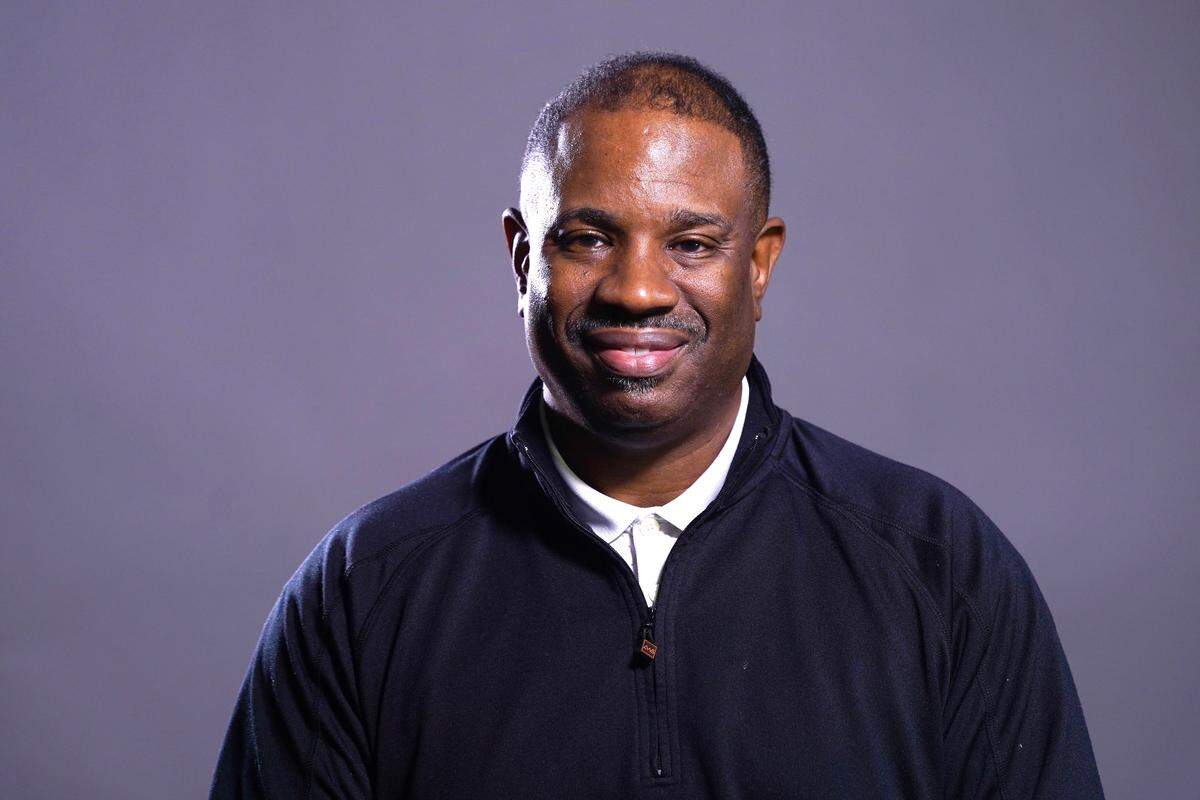
The boys are the best high school football players and Cornwell is the best girls basketball player in North Carolina, and they were more than willing to discuss today’s most polarizing issues along with outspoken Mallard Creek football assistant coach Donald Littlejohn, whose father was the first black player to win the Charlotte City Amateur golf tournament in 1989.
Their comments are edited for brevity and clarity.
Q. What was it about the George Floyd protests, and the reactions to them, that touched you?
Power Echols: I was angry but I didn’t want to be angry, but I couldn’t help myself. I just felt hurt and like a sense of loss, but what really did it for me was when I saw a video of a police officer hitting a Black woman like she was a grown man. So I just texted one of my friends. I’m like, ‘You gotta do something, man. We can’t keep living like this.’
Drake Maye: I think (Floyd’s death) was awful. This has been a major issue in America lately and there needs to be a change made. I commend Power and I respect him a lot for what he did, making his voice heard.
Will Shipley: To see someone like Power kind of use his platform, go out there and make his voice heard, it’s something that you look up to. (Floyd’s death is) absolutely devastating and people need to become more educated and there needs to be more communication to make the change that needs to happen.
Chyna Cornwell: To watch the video itself of him just suffering, him losing his life, I found that very disturbing. The fact that there’s people who just blindly take away someone’s life like that without thinking about what harm (they are) causing his family? It’s tough to just even think about or just the process on that. I just don’t understand it.
Q. What are your thoughts about some of the racial incidents inside Charlotte-Mecklenburg Schools lately, including white athletes using racially charged language and photos and directing them at black students or a white principal calling employees “colored folks?”
Power Echols: Honestly, I felt like, if they’re speaking like this, I can imagine what they actually have conversations about; or if they openly throw this out there, I can imagine what their thought process is and how they view us as people. What they see on TV is probably what they think about us in real life. If this openly happens, I could only imagine what really goes on in their minds, how they feel about us and how they view us as people. I really couldn’t do much, but I was just like, ‘Wow.’
Q. On the football field, do you see any racial instances play out?
Power Echols: Predominantly white teams, or teams, they’ll throw something in there to shake your nerves, or get you to react. But for us, we just know that only thing they’re trying to get out of this is a reaction. It’s a matter of keeping your emotions down instead of reacting to what they’re saying or how they’re saying it. You’ve got to be strong in those moments and not retaliate. It’s hard, but it’s being the bigger person.
Q. Do people call you the n-word on the field or do you hear it used?
Power Echols: For me, somebody might say the n-word to me, but instead of reacting out of anger, I basically say, ‘You’re pronouncing it wrong. It’s pronounced Negro, and it means I am a Black man.’
Will Shipley: It’s a word that is used in game time. Personally, it’s absolutely neglected. If anything along those lines is is ever said (among his teammates), that player will face consequences. That’s something that we’ve never allowed in our culture. But you know the word is said, which is terrible, and it’s used in game time, and I’ve even had it used towards me. But like Power said, you have to redirect it, brush it off, don’t let it get to you mentally, and then just just move forward in the right direction.
Donald Littlejohn: I always try to explain to my players the severity of that (word). Players are going to use it. A lot of times you’ll hear them say, ‘A white guy shouldn’t use it,’ and and I agree with but if you just get rid of the word altogether, it makes it a lot easier to maintain the use of it around our teams. It brings so much hurt and confusion now with our cultural differences. It’s in the hip-hop culture and music and things like that. It’s really hard to get rid of it because it’s repeated so often. But I personally rather it not be used by anybody.
Chyna Cornwell: I’ve experienced racism. Not so much from my opponents on the court. But from fans, super fans, I would get called names. Words that I will not elaborate on, but it happens pretty often. I would say the fans in the crowd really just try to break a player such as myself down by just plain hurtful words.
Q. How are you all handling the pandemic and being out of school, away from friends. We are hearing that some teenagers are really struggling with that.
Will Shipley: In our football program, we’ve done a great job of keeping up with one another, kind of just holding each other accountable, making sure that everyone is doing all right. These are really, really tough times. I think all the people that I’ve been in contact with are doing well, but there’s definitely people out there who are struggling with a situation like this, and we need to just offer as much help to those people and make them know that they are not alone during these tough times.
Drake Maye: I think the main thing is just keeping in touch with everyone. Make sure you interact and are checking on people. I think sometimes, especially with kids our age, if no one is texting them or showing any love, that’s sometimes when you get problems.
Q. Does Charlotte-Mecklenburg Schools have real issues around race relations?
Donald Littlejohn: At Mallard Creek, we’re really balanced. My daughter’s babysitter is a previous Mallard Creek parent, and she’s white. She treats my daughter like her own. But, obviously, around CMS, depending on what side of Charlotte you’re on, there’s going to be some differences there. I have not seen much racism in the Mallard Creek community. Unfortunately, seeing the rock at Ardrey Kell get painted over, the Black Lives Matter situation, and the racial slurs ... we dealt with that last year with our volleyball team at Lake Norman. What’s crazy is the Lake Norman football coaches are phenomenal guys, show no signs of racism. Just those isolated incidents kind of put a bad name on school situations.
I grew up in Charlotte Mecklenburg. And I went to Independence High School. I remember racial incidents happening. About a year before I got there, 1998-99, they had some Black and white students get into it, a physical-altercation-type deal. We do more of this (type of discussion) though. We need to get these great athletes out there who are great students to communicate and be leaders.
Q. How can you help repair some of the damage done?
Drake Maye: We’ve been taught to see character and not color. My mom (AImee) went to West Charlotte and loved it. She got bused from Myers Park. As leaders, I think we need to do a better job being aware, especially with being a bigger athlete, a bigger name, stepping up and get involved to make a change. They’ll listen to us and we’re pretty well respected. So Power, Will and us, we can make change using a platform bigger than many others in the community.
Chyna Cornwell: I would first like, go to my coach and tell her what’s going on. Then I would go to the superintendent let them know, or let my coach to speak with the superintendent of the opposing school because I want to address the fact that me or my teammates are going through any racism or comments. I think it’s uncalled for. I will address that immediately because I don’t think myself or my teammates or anybody should go through any bad activity or have that type of experience because it’s not a great experience at all.
Q. After these protests are done, what will you do differently?
Donald Littlejohn: We’ve got to rewrite these rules, man. We’ve got to really, really treat racial slurs (so) parents have got to fear, you know, being racist. They’ve got to fear the repercussions. You could be banned not one season, two seasons. Are you really willing to risk your future, because that could lead to college looks and things like that.
You’ve got to have those relationships with your players and have those conversations. I don’t care if you have an all-Black team, an all-white team or mixed. It’s got to be talked about now. It’s got to be talked about before the season, in the middle of the season, and you’ve got to check in with your players throughout the season, say, ‘Hey, at any time, have you ever felt racially profiled by teachers, by administrators,’ and talk about it so they’re not quiet.
It can’t happen, so we’ve got to find ways to really really attack it. And, obviously, the strict rules are going to do it, or at least help out in the meantime. For me, I’m going to talk to (my players) about what it is to be a Black man. If I have players from other races, I’ll talk to them so they kind of understand it and get a bigger picture of what it means to be Black and in America, and how they can help regardless of their race.
Q. Does football help with race relations?
Drake Maye: At Myers Park, the diversity (of the school and team) helps brings us together, and now we’re all striving just to win, and still build up each other and become better people at the end of our career and the season. I think football and other sports as well are a great opportunity, not only for people to compete, but to become better people and just know that character is more important than just winning and losing.
Will Shipley: We have representatives from every single race out there. And we all have the same goal. One word that we preach is unity. You come together as a unit, all work hard, have the same mind-set, same goal every single day. That’s a huge part of it, just bringing everyone together, just loving the person next to you, being able to call them your brother and just fighting for them on the field. It’s a great source to put it all aside and come together as one.
This story was originally published June 23, 2020 at 4:49 PM.