NCHSAA commissioner explains changes to high school sports calendar, and her concerns
Last week, the N.C. High School Athletic Association released a long-awaited new calendar for the 2020-21 sports year. Due to COVID-19 concerns, high school sports are being pushed back.
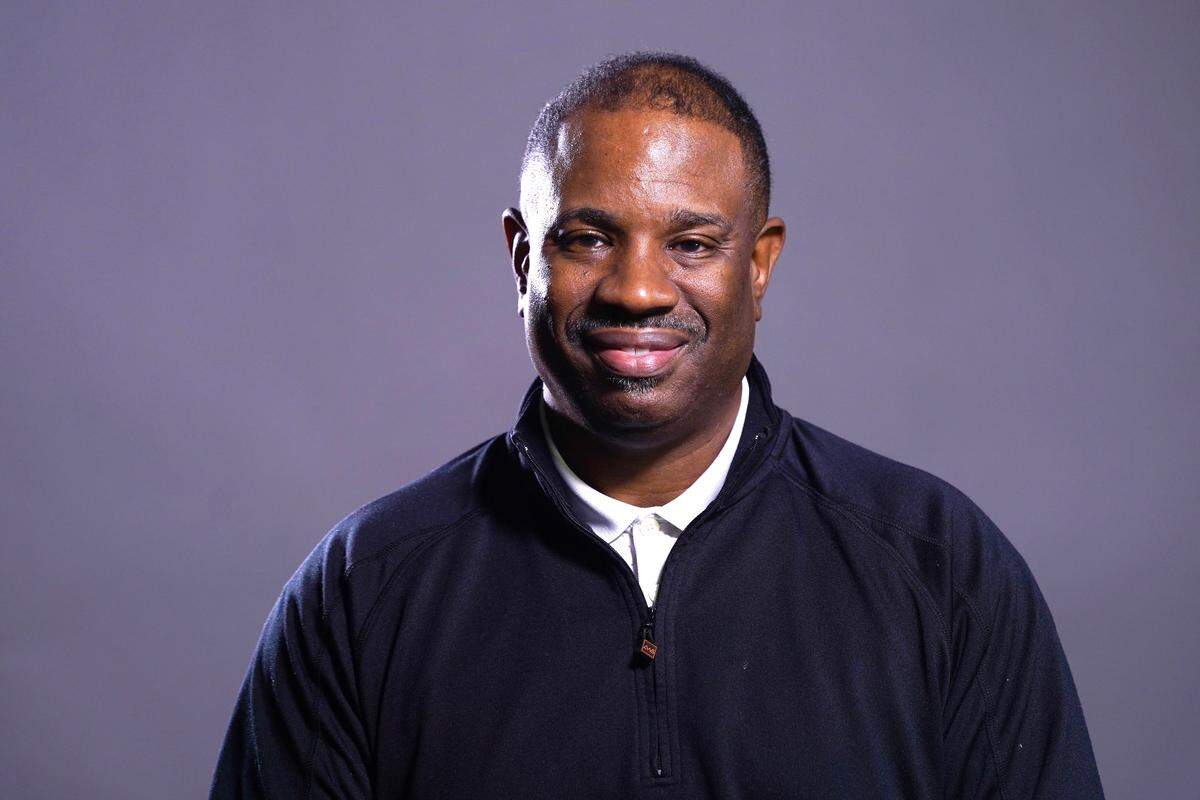
Sports for public schools will begin Nov. 4 with practice for cross-country and volleyball. Basketball starts in December and football in February. NCHSAA commissioner Que Tucker appeared Monday on The Observer’s streaming talk show, “Talking Preps” (every Monday at 8 p.m. on The Observer’s Facebook and YouTube pages). She discussed what went into the changes and more.
Her answers here are lightly edited for clarity and brevity.
No matter the decision you would make about the schedule, everybody would not be happy. How do you win in a no-win situation?
Que Tucker: “I’m one of those people who likes to put a decision out there knowing that there will be a small segment who may not like what you have put out, but who at least will be open to trying to see the side of the association. But in this situation, not only are we dealing with the administration, meaning the superintendent’s office, but you’re also dealing with the principal’s office, the athletic directors, you’re dealing with the student-athletes and then the parents and general public. So you have a lot of different entities who are looking at the decisions, and people tend to look at a decision with tunnel vision. It’s all about my sport, and what’s best for me. And if you don’t make a decision that is best for me, then I’m not going to like it and I don’t really care that it really is best for all 421 schools. So all you do is just try to do what you think is right, and then let the chips fall where they may.”
Last week, we saw some high school football teams begin to put out schedules. Why did the NCHSAA tell them to stop (the NCHSAA plans to provide more scheduling guidance by Sept. 4).
QT: “We put out the (new calendar last) Wednesday. I (said) the nuts and bolts, will come later. We wanted parents, we wanted students, coaches to at least know, well, here’s the schedule and then the details will come later. People didn’t hear that because all they wanted to see was the calendar. And so, (last) Thursday morning we get back into the office and our phones are blowing up because people want to know how many teams are going to be in the playoffs ... will everything be based on just conference games? And so we knew then that we just really couldn’t have people trying to make schedules, until we knew some of those details. So we just decided to put out a statement saying, ‘hold your horses, let us get some details out to you and then you can make schedules.’ “
And what will the playoffs look like?
QT: “We’re trying to put together an outline of areas we need to to address, and it has to do with number of teams in the playoffs. How will you get teams to the playoffs? Is it going to be based on playing only conference games? Will we look at winning percentage, because we recognize that not every conference will be able to play all of their conference games.
“We’re going to try to tackle those things that need to be dealt with, (like) many teams would get into the playoffs, particularly for the team sports; and then we have to address individual sports. What do you do for cross country? A lot of times, we didn’t have a set number to get into your regionals. Will we even have regionals? We’re not going to be rushed. We’re going to be methodical. We want to try to get it right.”
Why didn’t some of the non-contact sports, like tennis and golf, go ahead and play in the fall?
QT: “Just about every one of my colleagues across the country surveyed their membership, and obviously the superintendents and boards of education are the ones who, at the end of the day, are going to make some decisions as it relates to what you do on (their) campuses. One of the questions we asked was, ‘Would you be open to play in some of the lower-risk sports, meaning girls tennis, girls golf and cross country, in the fall of the year?’ ... We had a percentage who said no. We had some who said we do not know.
“But then the next question was, ‘Would you prefer that we delay all sports, including the lower-risk sports’? An overwhelming percentage wanted us to do that. ... The governor paused us in Phase 2, so we couldn’t start even Sept. 1, so that factored into what we knew we could do. When you start looking at cross country, you’re talking a lot of students and those students have to be transported. Well, how do you get them there under the guidelines that our school people are having to deal with? It’s my understanding that you’re looking at about a max of 24 students on a bus. Some (cross-country teams) have way more than 24 students, and we know what happens when you start looking at a sport like football, and you’re trying to transport. So transportation also factored into that, so that’s the primary reason that we just simply just said ‘OK, knowing that there’s been a pause of Phase 2, knowing that our superintendents have said, by and large, they would prefer that we delayed, we just simply made the decision to do that.”
Wake County Schools and Charlotte-Mecklenburg Schools are the largest in the state. How much weight does NCHSAA give to both systems when making these decisions, especially when those two systems never started off-season workouts.
QT: “We considered (what those systems would do), but it did not make the difference in terms of what we decided to do. Let’s go back even as far as June 15, when we lifted the dead period, we knew at that time that Wake County was not going to allow its students to begin summer workouts, because the superintendent of Wake County Schools is on our board.
“But we also felt it very important that those students who could, in other systems, be able to start working out, be able to condition (begin to do so), and Kathy Moore, who is the superintendent from Wake County voted in favor of that. So she understands the role of athletics, but at the same time, Wake County, Mecklenburg County, were hotspots in terms of the numbers of cases, so I do understand their decision making. What I’m hoping as we move forward, as the numbers across the state get better, that Wake County, CMS, Forsyth County, Guilford County, that they all finally decide that, you know what, we need to go ahead and let these young people get out there and start to condition and work out.”
Why cancel indoor track this year?
QT: “I know people don’t like to hear me say this but indoor track is supposed to be played indoors. Now one of the things that we’ve done through the years is allow these ‘Polar Bear’ meets. And so, you know a lot of people say it is just a glorified winter track program now. That’s not why we canceled it. We want everybody who plays a sport to have the opportunity to play their sport. So if they’re a high jumper, they have that opportunity because we’ll still have outdoor track.
“And then there was concern that would we will be able to hold indoor meets, and then meet the guidelines of social distancing and provide the best experience. We hate to do it, but it is the only thing we can do, and just hope that people will understand that we’re trying to do it for the safety of everybody. If you guys have ever been to an indoor track meet you know it’s pretty tough. Your spectators, your athletes are all using the same bathrooms. The entrance is very narrow, it’s just really tough.”
Are you concerned about referee shortages with the sports all going on at the same time, and will COVID-19 force a few officials to step away, too?
“Well, we’ve had a few referees who have retired. I don’t know necessarily that it was COVID-19 that caused them to retire. I think they were thinking about it, and then COVID just kind of was the final nudge. We do recognize that we have a shortage of officials going into COVID. We still will have that as we get closer to playing, but what we’re hoping is that some of the officials will be excited about just getting back out, to being able to run up and down, just like the athletes are, and so that we won’t have any defectors. And we’re also hopeful that maybe there will be some who recognize that times are tough right now, and I’ve been thinking about becoming an official. I’m not afraid that I’m going to contract COVID by being an official. So I’m going to go ahead and join the officiating ranks.
“I don’t know, right now, how many new officials we have, but we are holding our breath. We’ve got a lot of sports that are crossing over. And so we’re going to have to do some kind of a dance to try to make it work. But we have our fingers crossed and we’re going to do all that we can to just really try to encourage and motivate our officials to stay in the game and help us out, especially during this tough time.”
Given that spring sports lost the majority of the 2020 season, is there any way to elongate their season this year? Right now they’re a little more than half of one.
QT: “We talked about, ‘Well, let’s give them as many games as we could.’ But if we’re going to be as equitable as we could, we felt like we ought to try to keep the seasons about the same (all other sports are playing limited schedules), and we understand all of that from the standpoint of their seasons were canceled. But if we had given baseball and softball and all of them 23 games, then it meant that you had to have a longer period of time in order to be able to get those in. That meant in the window of time we would have had to put those other sports in, there just wouldn’t have been enough to even give them a season, really. And so we just kind of nixed that idea pretty quickly.”
Can an athlete play club sports this fall and still be eligible for their high school season early next year?
QT: “We don’t have any rules that tells a parent they cannot put their son or daughter in a youth football program during the offseason. We don’t govern that. What we say is that our high schools cannot sponsor anything that allows body-to-body contact once football is over. So, if Mom and Dad are going to let Little Johnny play for a youth football team, then (a high school coach) cannot let Little Johnny use his helmet or shoulder pads and girdles from the school. It’s all on Mom and Dad, or that youth football team to provide the equipment.
“And if you’re going to allow your child to be involved in these clubs sports, you want to make sure that they’re doing everything by the book; making sure that they’re six-foot distancing. Are they trying to keep them safe from COVID and all of those kinds of things? I think our coaches have done an awesome job, the ones who have worked out this summer. The reports that I’m getting is that they they’ve done it right. If they had kids who would not stay six feet apart, I’ve heard of coaches telling them to hit the door, get out of here. I think our coaches are doing everything they can to remind those kids to wear to a mask, stay six feet apart, wash your hands. Do we know that’s happening with those youth sports and those outside sports? We don’t. And that’s the part that worries me and scares me about those outside club sports.”
This story was originally published August 19, 2020 at 3:01 PM.