Jimmie Lee Kirkpatrick award to honor the past — and the best football player in CMS
Beginning this year, the best high school football player in Charlotte-Mecklenburg Schools will receive a trophy that honors one of the greatest players in Mecklenburg County history.
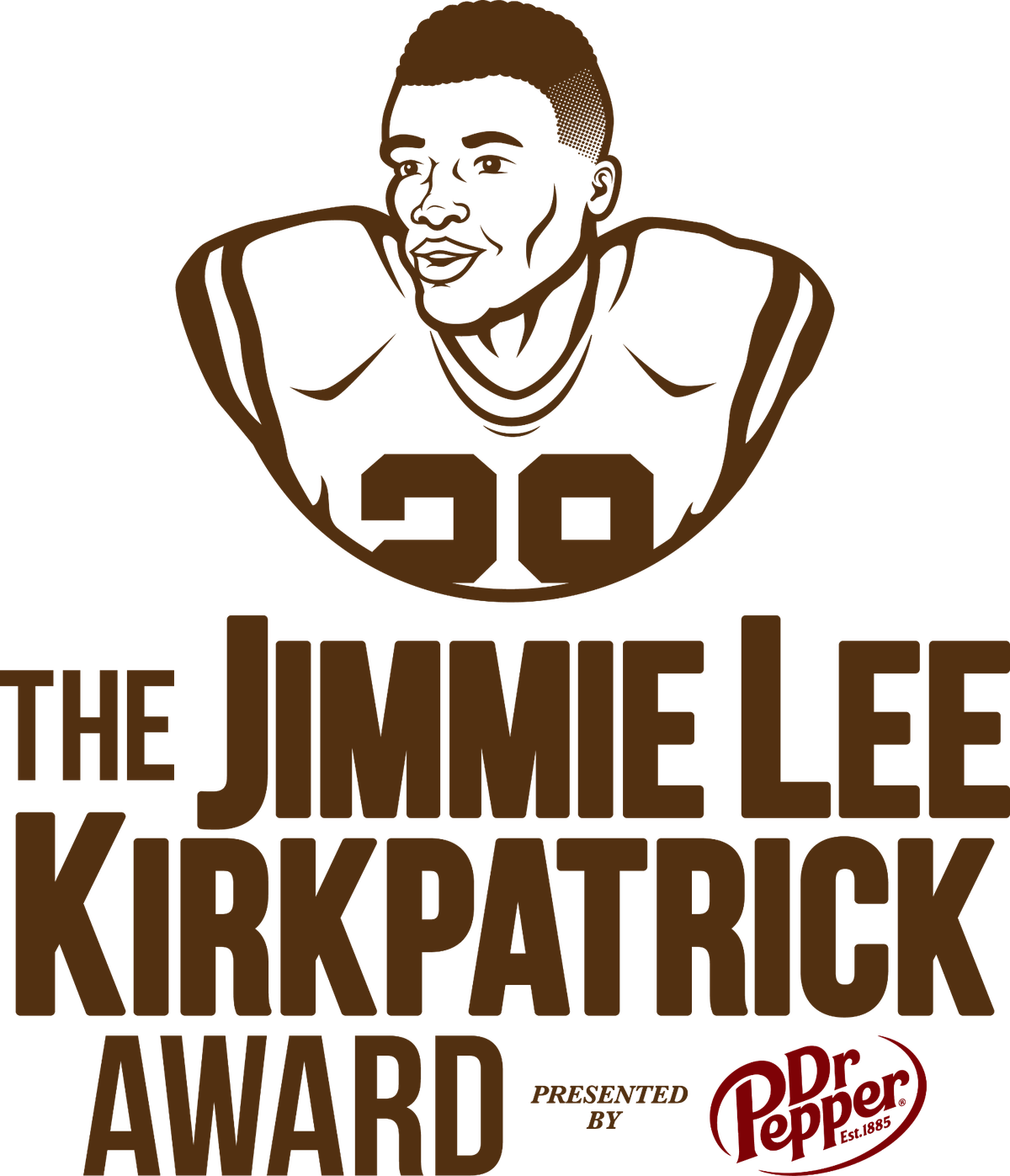
The Charlotte Sports Foundation will award the first Jimmie Lee Kirkpatrick award to a senior in CMS who displays talent on the field as well as a passion for his community. The award, sponsored by Dr Pepper, includes a $10,000 scholarship, a trophy and recognition at the Duke’s Mayo Bowl.
The trophy and overall honor are named for Kirkpatrick, who began his career at all-Black Second Ward High School before he transferred to predominately white Myers Park in 1965. At Myers Park, Kirkpatrick ran for 19 touchdowns and was named the best player in Charlotte.
He was not allowed to play in the Shrine Bowl all-star game, however, and that omission sparked a civil rights lawsuit, filed by Julius Chambers, and led to desegregation of the game. The former Vance High School was named for Chambers earlier this year.
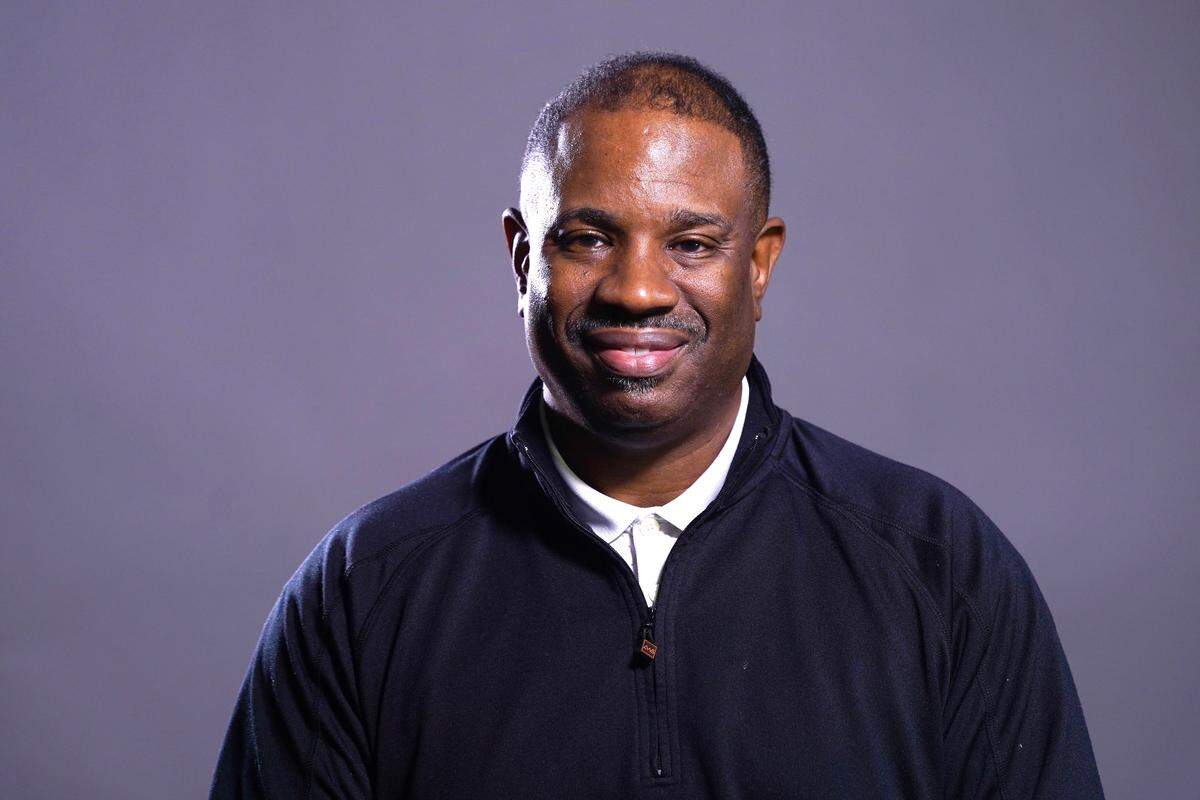
“I’m still trying to get my brain around it, my man,” Kirkpatrick, 73, said Friday afternoon. “I’m really proud of this kind of award and what it represents. To have this as legacy, man, I’ve been away from Charlotte for so long, but to have this as a memory of my time, wow, it’s fantastic. I’m really excited.”
Each fall, the 19 public high schools within CMS will select a player to represent their school on the field at the Duke’s Mayo Bowl, which is Dec. 30 at Bank of America Stadium. From those semifinalists, one winner will be announced and receive a scholarship as well as the trophy that will be displayed at their school for the following year.
The trophy is a bronze bust in the likeness of Kirkpatrick and will be inscribed each year with the winner and the winner’s high school.
That winner will be selected by a panel that includes members from CMS, the Charlotte Sports Foundation and the community. Equal weight will be placed on athletic achievement and community impact.
The goal is to recognize players who match the character and passion that Kirkpatrick had for the game.
The Observer chronicled Kirkpatrick’s story with a series of articles four years ago.
Second Ward to Myers Park
In 1964, Kirkpatrick scored five touchdowns for Second Ward in a 58-0 win over rival West Charlotte in the Queen City Classic, the annual game between the city’s largest all-Black schools.
Kirkpatrick was 5-foot-11 and 180 pounds, and one city coach said the teenager might be “the best I have ever seen.”
Kirkpatrick became the first Black player to make The Charlotte Observer all-county team.
When the photo was taken for the ‘64 all-star team at Memorial Stadium, Kirkpatrick talked with Myers Park All-American QB Rick Arrington, a senior, and Mustangs junior end Harris Woodside. In the story, Kirkpatrick said he remembered them telling him that he should transfer to their school.
In 1964, more than 90 percent of Black students like Kirkpatrick attended all-black schools, but a boundary change for school assignments would allow him to transfer if he chose.
So in 1965, Kirkpatrick went to Myers Park — the same year Malcolm X was killed and police used tear gas, clubs and whips against protesters in Dr. Martin Luther King’s march for voting rights in Selma, Alabama.
A June 1965 headline in The Observer read “Negro Gridder Kirkpatrick to enroll at Myers Park.”
In 1965, Myers Park went 11-0 and won the N.C. 4A Western Regional championship. Kirkpatrick ran for a school-record 19 touchdowns. No state final was held that year.
At the time, the Shrine Bowl was one of the largest awards a high school football player could earn in North and South Carolina.
You played for your state against the other in a game that annually drew monster crowds to Memorial Stadium. Kirkpatrick was nominated for the Shrine Bowl, which had never had a Black player participate. When he wasn’t selected, it led to a discrimination lawsuit.
Chambers, then 29, filed a restraining order to stop the 1965 Shrine Bowl, saying the selection of the team was racially discriminatory. Judge Braxton Craven allowed the game to be played in Charlotte, but ordered the Shriners to appear in court March 1 with a new player selection policy.
Craven’s ruling came on a Friday morning, hours before Kirkpatrick scored three touchdowns in Myers Park’s 46-21 win over Asheville Edwards in the playoffs.
But early in the morning on the following Monday, bombs exploded at the houses of four Charlotte civil rights leaders — state NAACP president Kelly Alexander Sr., city-council member Fred Alexander, Dr. Reginald Hawkins and Chambers.
All four were involved in the Shrine Bowl suit.
“This was a strike against the status quo,” Kelly Alexander Jr. said in the 2013 Observer article. “They did not want desegregated schools. And I suspect they definitely did not want the premier whites-only football event to be integrated.”
After the bombing, police interviewed more than 50 people, including several Ku Klux Klan members, but the case remains unsolved.
The next year, in 1966, two Black players were selected to the Shrine Bowl.
To Purdue, to his future and back again
After high school, Kirkpatrick played at Purdue. As a sophomore, he led the Big Ten in kickoff returns in 1967. As a junior, he started in the backfield with Heisman Trophy runner-up Leroy Keyes and averaged more than 5 yards per carry.
But in a November game against Michigan State, Kirkpatrick suffered a serious knee injury. He tore several ligaments in his knee and was in a full leg cast for three months.
His career was over.
A year later, Kirkpatrick dropped out of school and moved to California, where he joined Vietnam War protesters and lived in a commune in Berkeley for a few months. But while visiting friends in Oregon, he said he fell in love with the place.
In Oregon, he volunteered to coach Little League baseball while working odd jobs in the coastal town of Tillamook, 74 miles west of Portland.
One of the parents on his youth team learned about Kirkpatrick’s college career and that led to a job at a private school, teaching and coaching. In 1980, Kirkpatrick got a degree in physical education from Oregon State and two years later got his masters.
He said he worked as a teacher and administrator for nearly 30 years in the Portland area that he now calls home. He often has shared his civil rights and sports stories at churches and summer camps in the area.
“That’s kind of kept the story alive in my own mind until out of the blue I get this call from The Charlotte Observer wanting to hear more,” Kirkpatrick said. “Since then, a lot has happened in my life and to have this final chapter of my experience in sports, and to have my name associated with this kind of award, man, I feel like I came full circle. For a while, I didn’t spend a lot of time there in Charlotte and had mixed feelings about it, but this has allowed me to renew some relationships and understand my home and community better.
“It’s been a wonderful feeling.”
Note: This story includes reporting from former Observer reporter David Scott and former executive editor Gary Schwab, who wrote the original series on Kirkpatrick, which you can read here.