Bill Lester’s NASCAR return creates a media frenzy: ‘He’s the Real Deal’
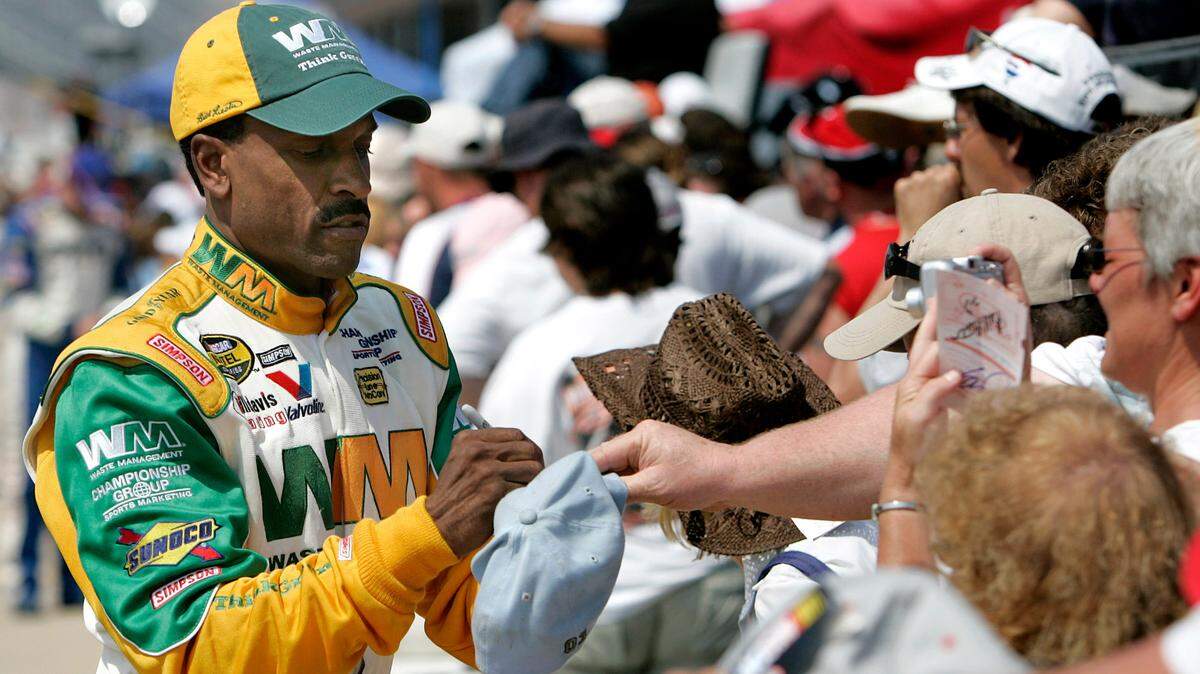
When NASCAR banned the Confederate flag last year amid nationwide protests against racial discrimination and police brutality, Bill Lester said he was so moved that he sent an email to NASCAR president Steve Phelps saying, “‘Thank you. I really appreciate what you did.”
“That was a huge statement,” Lester, 60, said this week. “Because when I was racing on a more consistent basis in the mid-2000s, ears were not ready to hear it.”
Lester was the first Black driver to compete in what is now the Xfinity Series in 1999, and is one of a few Black drivers to race a mostly full-time schedule in a NASCAR national series, joining Wendell Scott in the 1960s, Willy T. Ribbs in 2001 and current driver Bubba Wallace.
Although Lester said 20 years ago that the flag made him uncomfortable throughout his racing career, the social awareness and industry-wide momentum for change that exists now hadn’t yet begun as society and the sport played catchup.
Lester recalled his pace quickening when he received threatening stares walking between the hauler and track at places like Martinsville in Southern Virginia, and correcting members of Bobby Hamilton Racing — the team for which he raced fulltime in the Truck Series between 2001 and 2003 — when they casually used the N-word in his presence.
In those instances, Lester was the one who made changes to assimilate to the accepted “normal” of NASCAR’s white Southern culture — whether it was ignoring the Confederate flag, tempering his anxiety outside the track’s garage or spending time educating others in the industry. He said it was “incumbent upon (himself)“ to make his teammates comfortable in an environment that was “desolate” of people of color. Some new experiences might not be seen as harmful, but they were just as memorable to Lester.
“I went above and beyond to try to do that, whether it was going to Cracker Barrel to have lunch,” said Lester, who grew up in California. “I mean, Cracker Barrel?”
Back on track
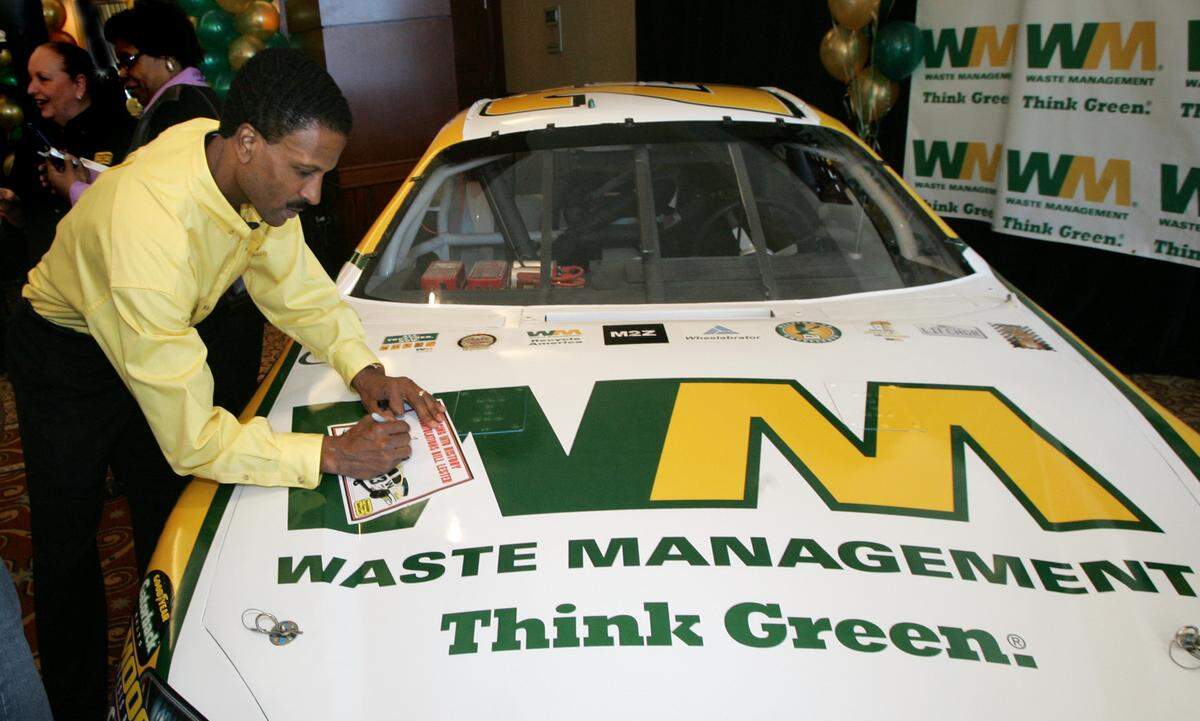
As NASCAR heads to Atlanta Motor Speedway this weekend, Lester is prepared to make his first start in the Truck Series since 2007 amid an onslaught of public attention. He will drive for David Gilliland Racing on Saturday, exactly 15 years after his Cup debut at the track, with sponsorship from Camping World, the Greater Atlanta Ford Dealers and Tommy’s Express Car Wash. The deal with Camping World came together after Lester announced his plans to return to the series on FOX Racehub, and clarified on Twitter later that he was still lacking full sponsorship. Camping World CEO Marcus Lemonis then jumped on board to round out funding for the race.
Doug Barnette, an agent at Player Management International, Inc. who helped Lester coordinate his sponsorship deals and media schedule, said that he’s been stunned by the interest surrounding Lester’s return to the series this year, even if it is only for one event. Barnette said that he’s booked Lester for five to six media calls each day this week, but there are probably more on the driver’s calendar that he’s not aware of.
“I put the deal together with Paul Tracy to go back to the Indianapolis 500 in 2009, which was one of the biggest stories in auto racing that year,” Barnette said. “And Bill’s media schedule has rivaled Paul Tracy’s media schedule in 2009.”
“I think everybody feels about Bill like I feel about Bill,” continued Barnette, who said he met Lester on pit road at Daytona some 15 years ago. “I think he’s genuinely loved and respected. If you spend any time around the guy, you know he’s very authentic in the way he lives.”
That characteristic is part of what motivated Lester’s return to racing. After watching NASCAR from afar and releasing what he calls his “motivational memoir” titled “Winning in Reverse: Defying the Odds and Achieving Dreams — The Bill Lester Story” in February, Lester was looking for both an opportunity to promote the book and to challenge himself again.
“I talk about getting out of your comfort zone,” Lester said of his book, which details his life as a former Hewlett-Packard engineer-turned auto racer.
“And this will truly be an example of my getting out of my comfort zone,” Lester said. “I could very easily continue to sit on the couch and watch and do that sort of thing, but here I am about to jump back in the deep end on one of the fastest tracks on the circuit.”
He will also be faced with the tall task of racing without any practice or qualifying sessions this weekend due to NASCAR’s pandemic-era format and racing with a new team and crew chief. But this week, Lester seemed to handle juggling sim practice time, team meetings and media obligations in stride.
Remaining engaged
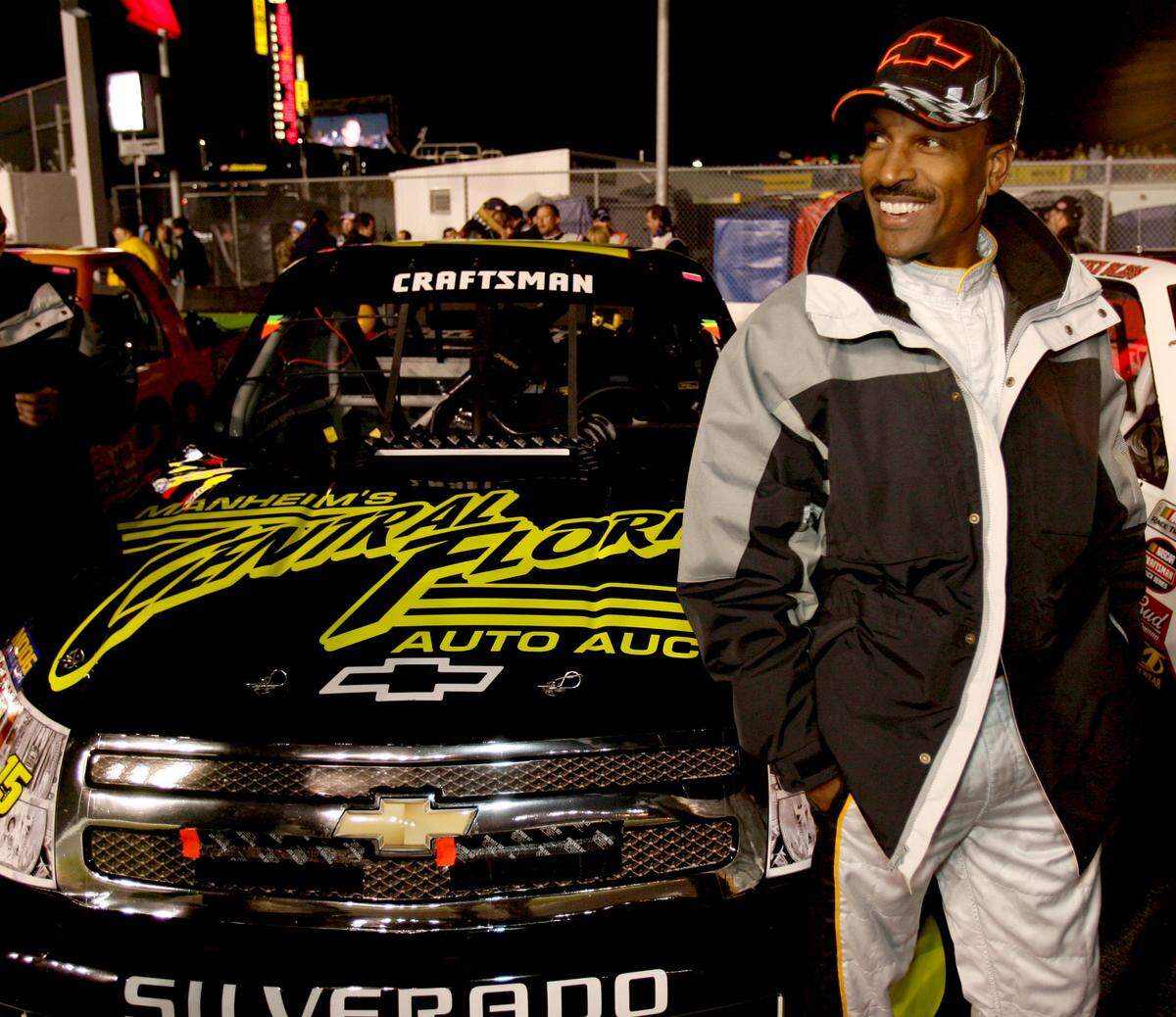
Lester is not naïve about NASCAR’s transformation. He knows instances from his early days on the circuit haven’t magically evaporated and he highlighted the barriers minority groups face when it comes to entering motorsports, focusing on a lack of exposure and opportunity due to the high cost of racing equipment.
“For youth of color, they have to see more athletes that look like them in this sport,” Lester said. “They need to see more Bubba Wallace’s or Bubba Wallace having more success.”
Wallace, the only Black fulltime driver in the Cup Series, landed an opportunity with the new 23XI Racing team backed by NBA icon Michael Jordan after Wallace used his considerable national platform as an advocate for NASCAR’s Confederate flag ban and Black Lives Matter. Wallace said before the start of the season that he was seeking multiple wins this year, the first of which would be his first win in the series. But he has yet to finish in the top-10 after five races this season.
“Folks are expecting way too much too soon,” Lester said. “It’s not going to happen overnight. You’ve got to form the chemistry. You’ve got to form the camaraderie. You got to form all the things that are necessary to win.”
“ ... As soon as somebody like Bubba starts winning and more folks from the Black community start seeing that and realizing that’s something that they can do, because they see that, they have that exposure, then that’ll be something they start trying to do,” Lester added.
Lester also answered questions this week about his response to Kyle Larson’s use of a racial slur last year that preceded Larson’s suspension from NASCAR, his subsequent education and reinstatement process and his most recent win at Las Vegas.
Lester said that he doesn’t have a relationship with the driver, but he tweeted a message congratulating Larson after the race. Wallace also congratulated Larson in person at the track.
“I was extremely disappointed by the mistake that he made and he knows better,” Lester said. “ ... He knows what words mean and how they can hurt and demean people.”
Lester said he saw Larson’s apologies and work to educate himself off the track as sincere.
“I’m glad he got a second chance. I never wanted that to be the end of his racing career,” Lester said.
‘The Real Deal’
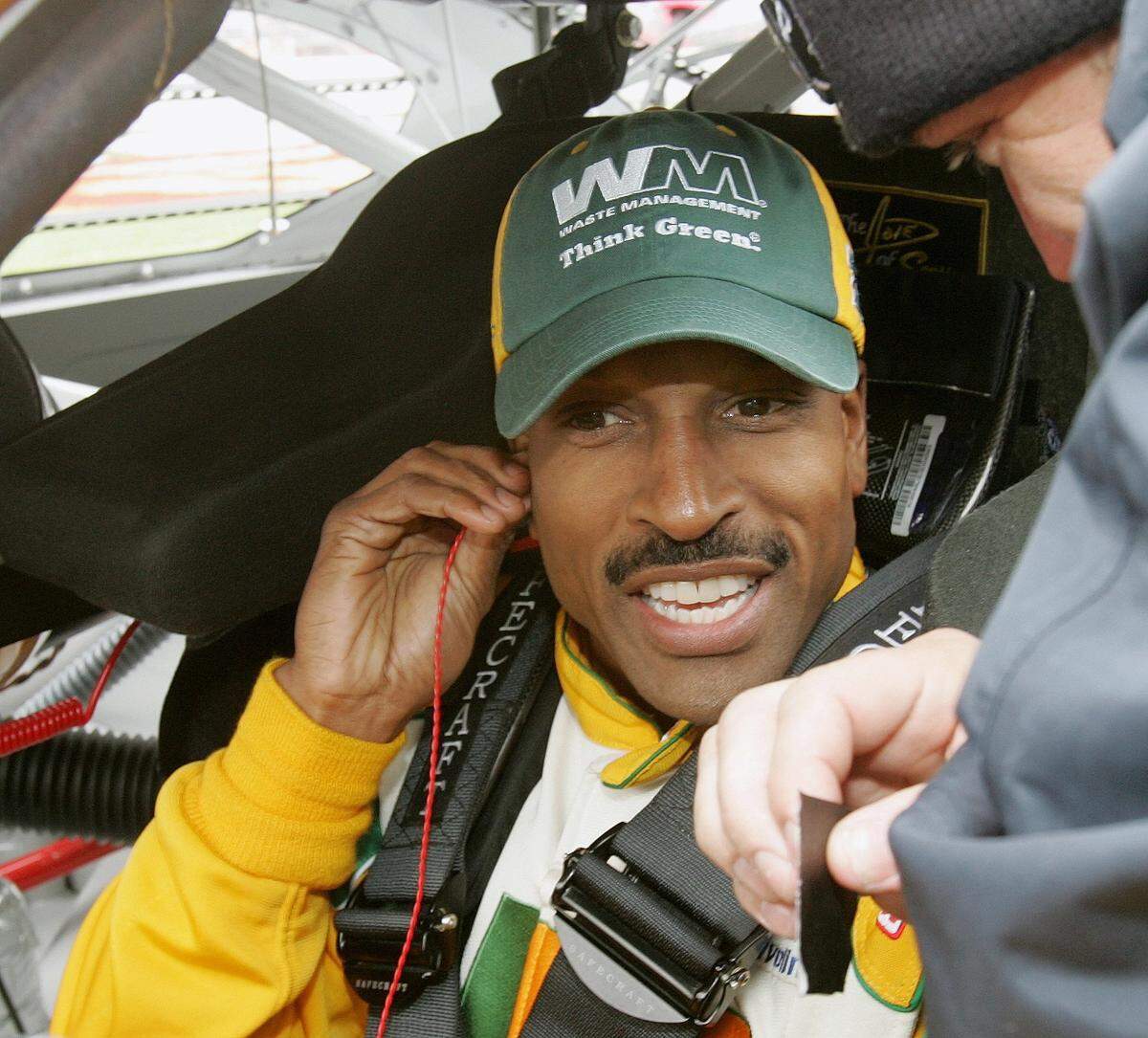
Lester’s recent step back from the sport was not the end of his career either. He said he’ll evaluate how he feels after Saturday’s race to determine if there’s an appetite for more driving. For now, Barnette said Lester is making everything about the Truck race — from training to the media added attention — look easy, although he knows it’s not.
“The amount of attention that this has generated has been fairly overwhelming,” Lester said. “I thought I’d probably just slip in under the radar and slip back out.”
The driver remained modest, but his reputation speaks for itself.
“I’ve represented a lot of folks over 24 years,” Barnett said. “But man, he’s the real deal. If you had to have one phrase that summarizes Bill Lester: He’s the real deal.”