Defending champ: Charlotte Roval unique — and important — as NASCAR playoff elimination race
As the NASCAR Cup Series playoffs ramp up, Christopher Bell always tells his parents that the next race is the most important one.
He says critical elimination races — like Sunday’s at the Charlotte Roval — that will cut four drivers before the Round of 8, are only the most important until the next round, because if you advance, gaining a good position in the upcoming round-opening race becomes paramount.
Bell, who won last year’s race in Charlotte, knows he didn’t have the fastest car on the road course in Concord. But he qualified in the Top 10, ran in the Top 10 most of the race and eventually made the right decision after a yellow flag toward the end that led to his comeback victory.
“If you have a catastrophic issue — or not even catastrophic, but just an issue — earlier in the day that puts you a lap down or something, you’re in big trouble,” Bell said in an interview with The Charlotte Observer. “While we are in a really good spot and I’m thankful for that, we still have to dot our I’s and cross our T’s.”
Bell currently sits fourth in the Cup Series playoff standings, 22 points above the elimination line. He’s won three poles in the five playoff races, which have led to a trio of Top 10 finishes during that stretch.
This week, Bell has spent more time than usual simulating the course. Contrary to a traditional oval, it’s significantly harder for drivers to remember shift patterns and which corners will pop up next.
Drivers have different strategies with how they run road-course races, especially with the return of stage breaks to Sunday’s race at the Roval.
If a driver qualifies well and runs toward the front as a stage is winding down, he has to make a decision: Run through the stage to maximize stage points, or pit. Drivers further back in the field who aren’t in position to receive stage points will pit before the yellow flag comes out and eventually flip track position.
“As a competitor, I don’t like the yellow flags, because it really creates two different races inside the race,” Bell said. “It’s the same for everyone, so you can’t say it’s unfair, but it does lend itself to make it very difficult to get stage points and have the track position to win the race at the end of it.”
Since the inaugural Roval race in 2018, which Ryan Blaney won, NASCAR has added more road courses to its schedule, highlighted by the introduction of the Chicago street race.
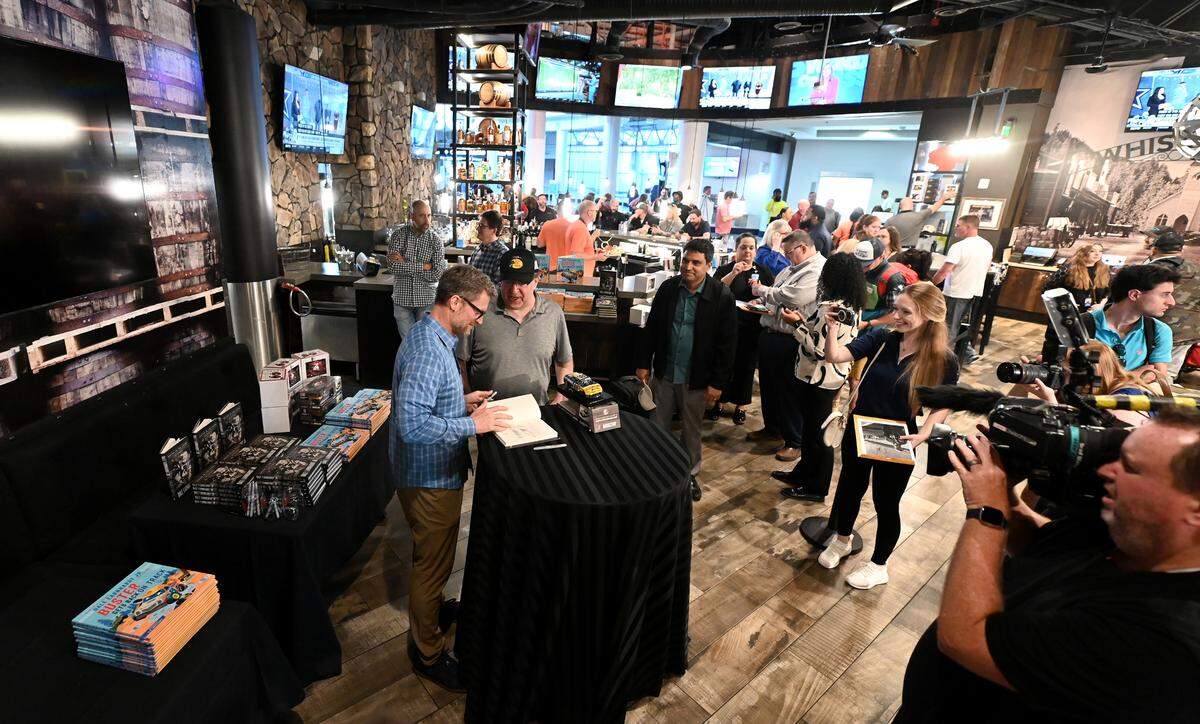
At his meet-and-greet at Charlotte Airport’s Whisky River on Thursday, Dale Earnhardt Jr. told The Observer that while a unique course like this will — and always used to — cater to certain drivers, being great on road courses has become a critical aspect of being a NASCAR driver.
“With the way the sport has changed and evolved over the last decade, road-course racing is no longer sort of a specialty for a rare few drivers,” Earnhardt said. “Back when I was racing, I could get away with being an OK road racer; We only had one or two on the schedule a year. Now, it’s such a big part of what we do.”