Earl “The Pearl” Monroe, an NC and NBA basketball legend, hits a milestone birthday
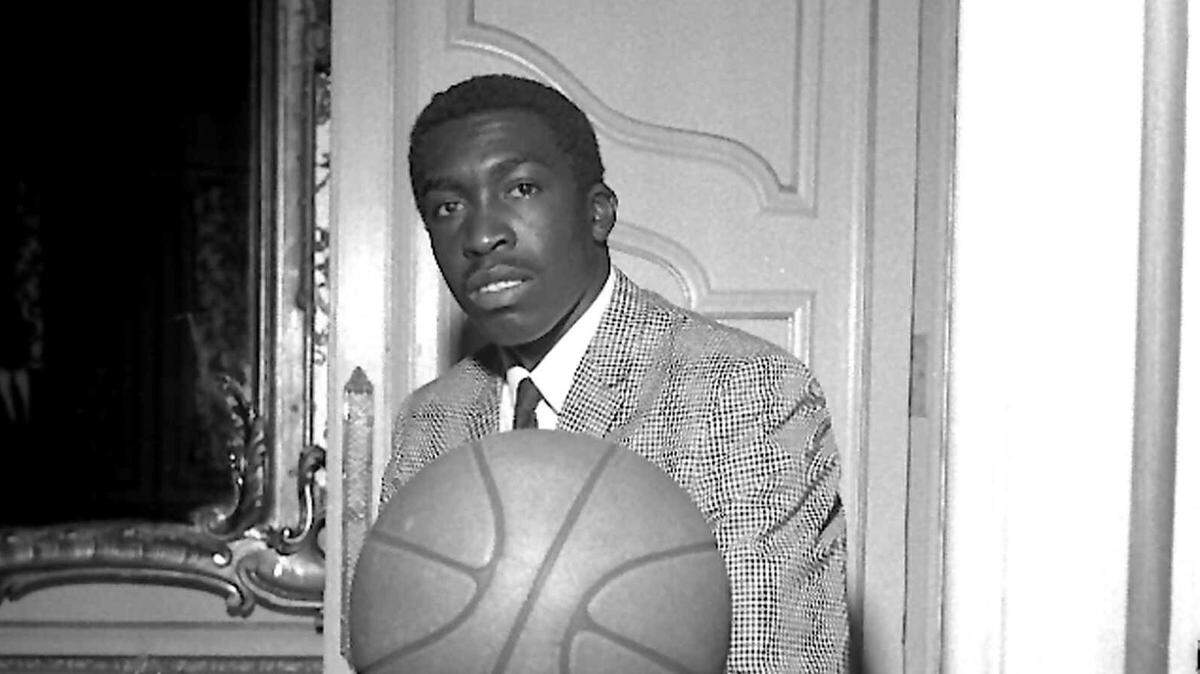
Earl “The Pearl” Monroe turned 80 Thursday. And if you don’t know who that is, let’s change that.
Before the NBA had a 3-point line, before players routinely dribbled behind their back to find space, before it was common to launch yourself into the lane and figure out what you were going to do with the ball on the way down, Monroe was dazzling people with his creativity.
“I think I was one of those people who kind of ushered in a new way to play basketball,” Monroe said in our recent phone interview.
Monroe grew up in Philadelphia but first rose to national prominence with the Winston-Salem State Rams, where he played under legendary coach Clarence “Big House” Gaines. In the 1966-67 season, Monroe averaged an astounding 41.5 points per game as a senior while leading Winston-Salem State to the Division II national championship.
It was in Winston-Salem that a local sportswriter first christened him Earl “the Pearl.” Monroe still recalls his days at the HBCU fondly.
In those days, when college basketball was still largely segregated in the South, Winston-Salem State players occasionally would travel across town to the Wake Forest campus and quietly scrimmage the Demon Deacons.
“Sometimes those scrimmages were at midnight,” Monroe recalled, adding that the late Billy Packer — a former Wake Forest star himself and by then a Wake assistant coach who was close friends with Gaines — was the key to setting them up. “Those let us know we could play with anybody. They really helped us on the way to that national championship.”
A proponent of education
A basketball pioneer with a bent toward education, Monroe now lives in New York. He has been instrumental in the launch and development of the Earl Monroe New Renaissance Charter Basketball High School in the Bronx, which now serves 400 students, almost all of them from families in need.
Founded by filmmaker Dan Klores and named in Monroe’s honor, the charter school opened in 2021 and continues to grow. It has been embraced by the NBA and several of its stars and is involved in a capital campaign to fund its permanent home. The school is dedicated not to trying to find the next LeBron James or Steph Curry but instead to exposing its students to the many basketball-adjacent professions, like finance, entertainment, data analytics and journalism.
Monroe and Gaines would both eventually be inducted into the Naismith Memorial Basketball Hall of Fame, but their relationship wasn’t without its bumps.
“Coach Gaines didn’t believe in playing freshmen,” Monroe said. “As a freshman, we would be down, and he’d call me to go into a game, and I’d shoot, and we’d get up, and then he’d take me out. It happened the whole season. And after the season I went to him and said, ‘Listen I’m leaving. I’m going to another school.”
As Monroe remembers it, Gaines said to give him a few minutes first and asked Monroe to sit outside his office. A bit later, he called Monroe back in and held his office phone toward him.
“Somebody wants to speak with you,” Gaines said.
On the other end of the line was Monroe’s mother, who had raised him in a poor part of Philadelphia and was very happy he had left that neighborhood and was in college on a scholarship.
“Coach Gaines told me that you’re talking about leaving,” she said. “You better stay down there!”
Monroe took her advice.
“And the rest,” he said, “is history.”
‘God couldn’t go 1-on-1 with Earl’
A 6-foot-3 guard, Monroe made All-American as a senior. The Baltimore Bullets drafted him No. 2 overall in the NBA draft in 1967, ahead of both Southern Illinois’ Walt Frazier (No. 5) and Kentucky’s Pat Riley (No. 7). He would become the NBA’s Rookie of the Year in 1968 and wowed the league with his showmanship, averaging at least 21 points per game in his first four seasons. Monroe was a little older than Pete Maravich, but they were NBA contemporaries who became good friends and shared an on-court joie de vivre.
“God couldn’t go 1-on-1 with Earl,” his former Baltimore teammate Ray Scott once said of Monroe.
Or, as Monroe said himself during his career: “The thing is, I don’t know what I’m going to do with the ball. And if I don’t know, I’m quite sure the guy guarding me doesn’t know either.”
Monroe found his greatest team success when he was traded to the New York Knicks, where he started alongside Frazier in a future hall of fame backcourt. Monroe got fewer shots with the Knicks and so his scoring average went down, but he also won the NBA championship with New York in 1973 — the last one the Knicks have captured.
.JPG "BKCIAAFINALS0227_14 (1).JPG")
Monroe used to regularly attend the CIAA tournament, visiting Charlotte to do so several times. But in his latter years, he has had some health problems and doesn’t travel as much as he used to. But he still watches a lot of basketball and marvels at how different the NBA is today. Not only is there a 3-point line — Monroe played all but the last of his 13 NBA seasons without one — but players are celebrated for their showmanship.
“The game itself is all about show at this point,” Monroe said, chuckling. “When I first came in, playing for Baltimore, they always said I was a hot dog. Hot dog this. Hot dog that. And then they start seeing all the people showing up for the games. And after that, they started calling me a genius.”
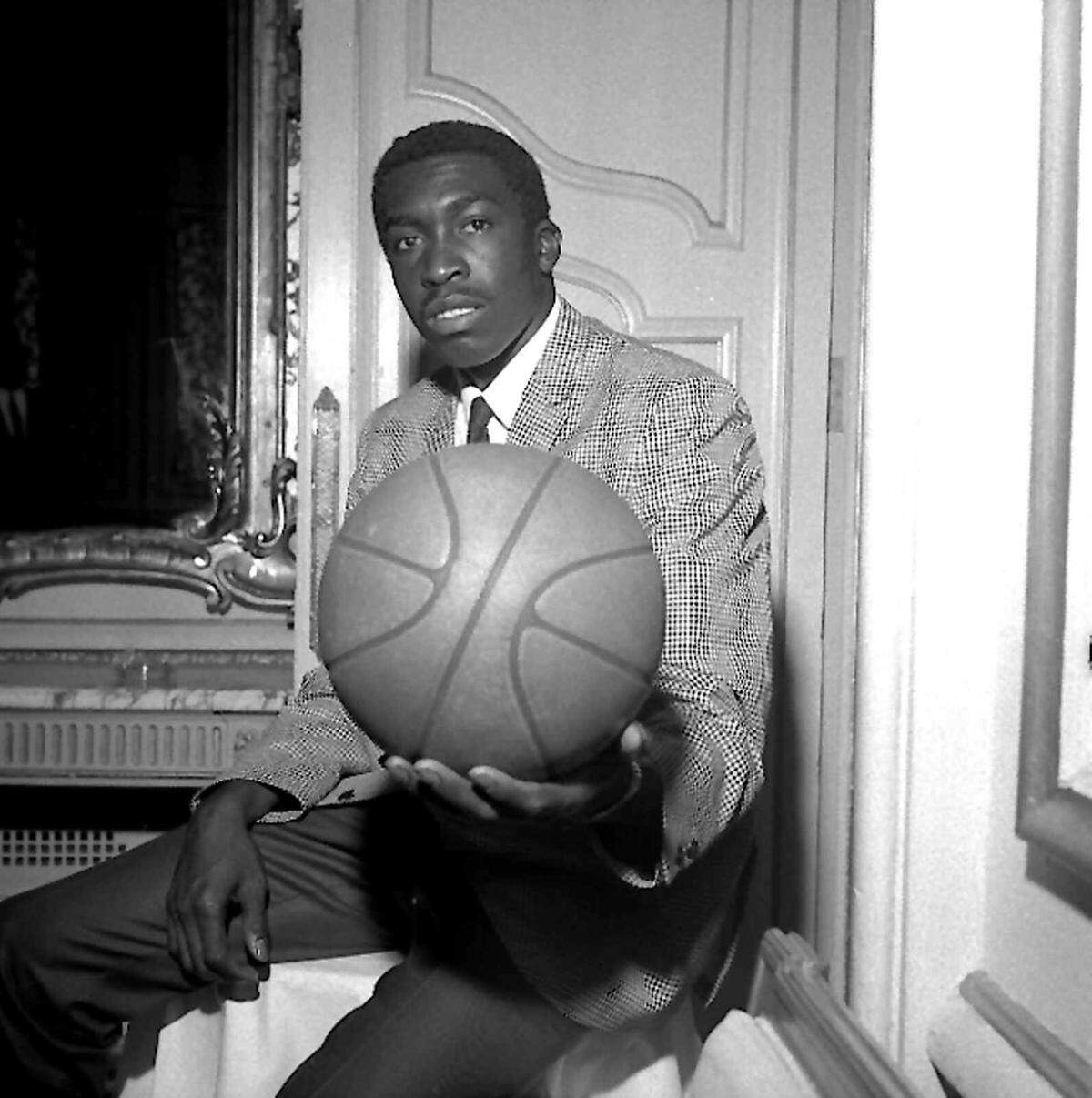
This story was originally published November 21, 2024 at 5:30 AM.