9-year-old Austin Corbett wrote a letter to his ‘#1 wrestler.’ It changed a life
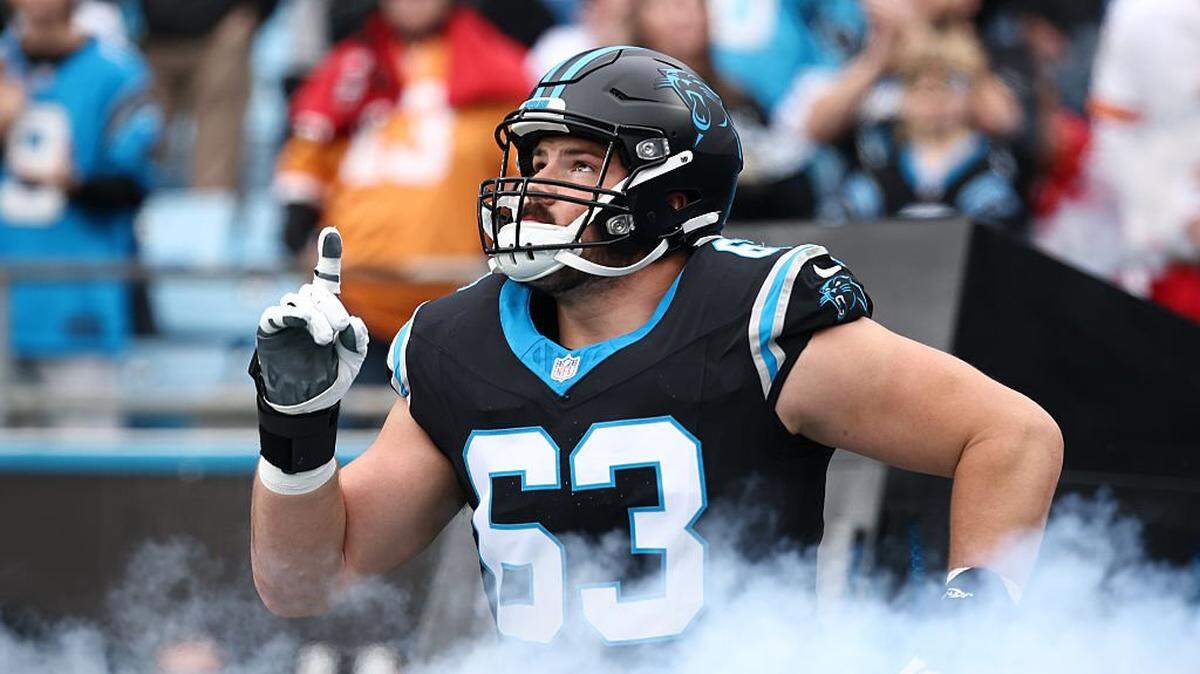
In the spring of 2005, an elementary-school-aged kid named Austin wanted to meet someone. He just didn’t know how to do it.
It was a Saturday afternoon in the Reno, Nevada, area. Reed High School was hosting a day-long youth wrestling tournament, and it looked and felt as overstimulating as you’d expect. Five or six wrestling mats were spread out across a gym floor. Parent screams echoed off cinder block walls. Wrestlers ranging from 5 years old to adults swirled all around, adding to the pomp and pageantry.
But 9-year-old Austin Corbett wouldn’t be deterred.
He swallowed his nerves and walked up to his No. 1 wrestler.
“He looked like a Newfoundland puppy,” Ryan Wallace said, recalling the first time Corbett greeted him. Corbett was 113 pounds, a self-acknowledged “tubby little guy” with square shoulders and a shy but goofy manner. Corbett avoided eye contact. He fiddled with a Gatorade bottle in his hands. He tried to talk to Wallace — then 20 — but struggled to find anything to say.
Eventually, Corbett spoke up. He said something simple, as Wallace remembers it, asking for some advice or congratulating him on the match win. Those details are immaterial now.
What matters is that a friendship began.
One that, eventually, changed Wallace’s life.
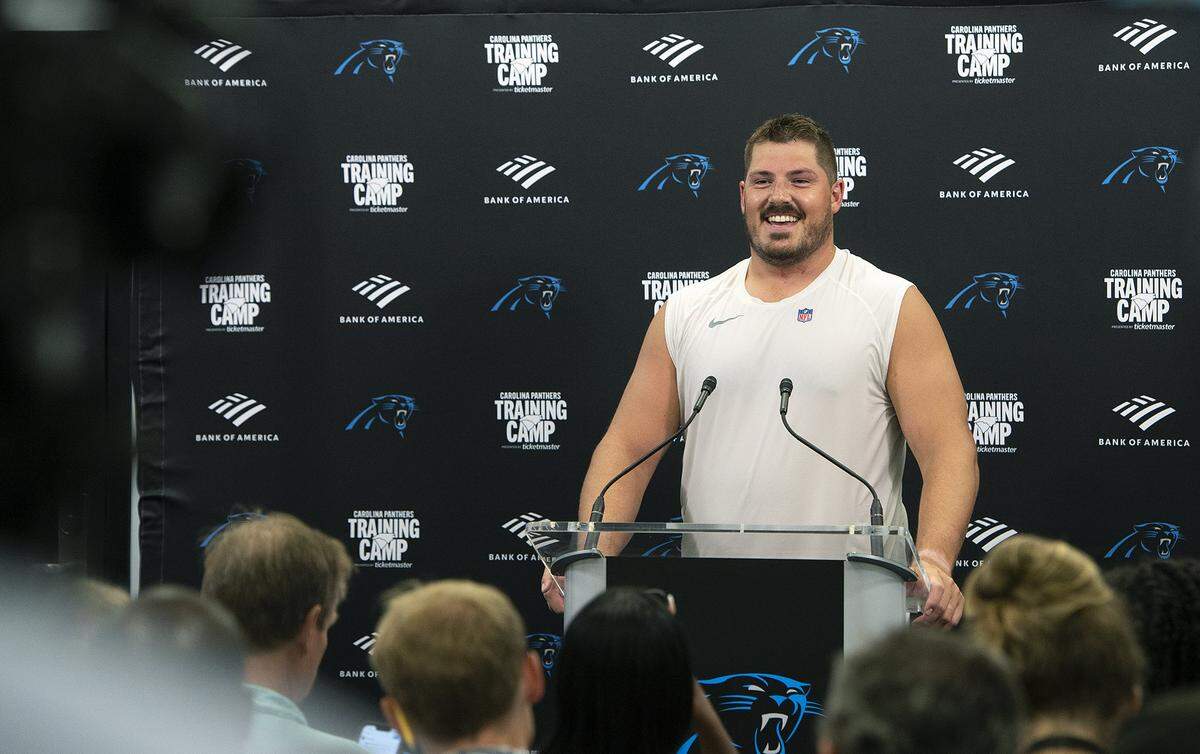
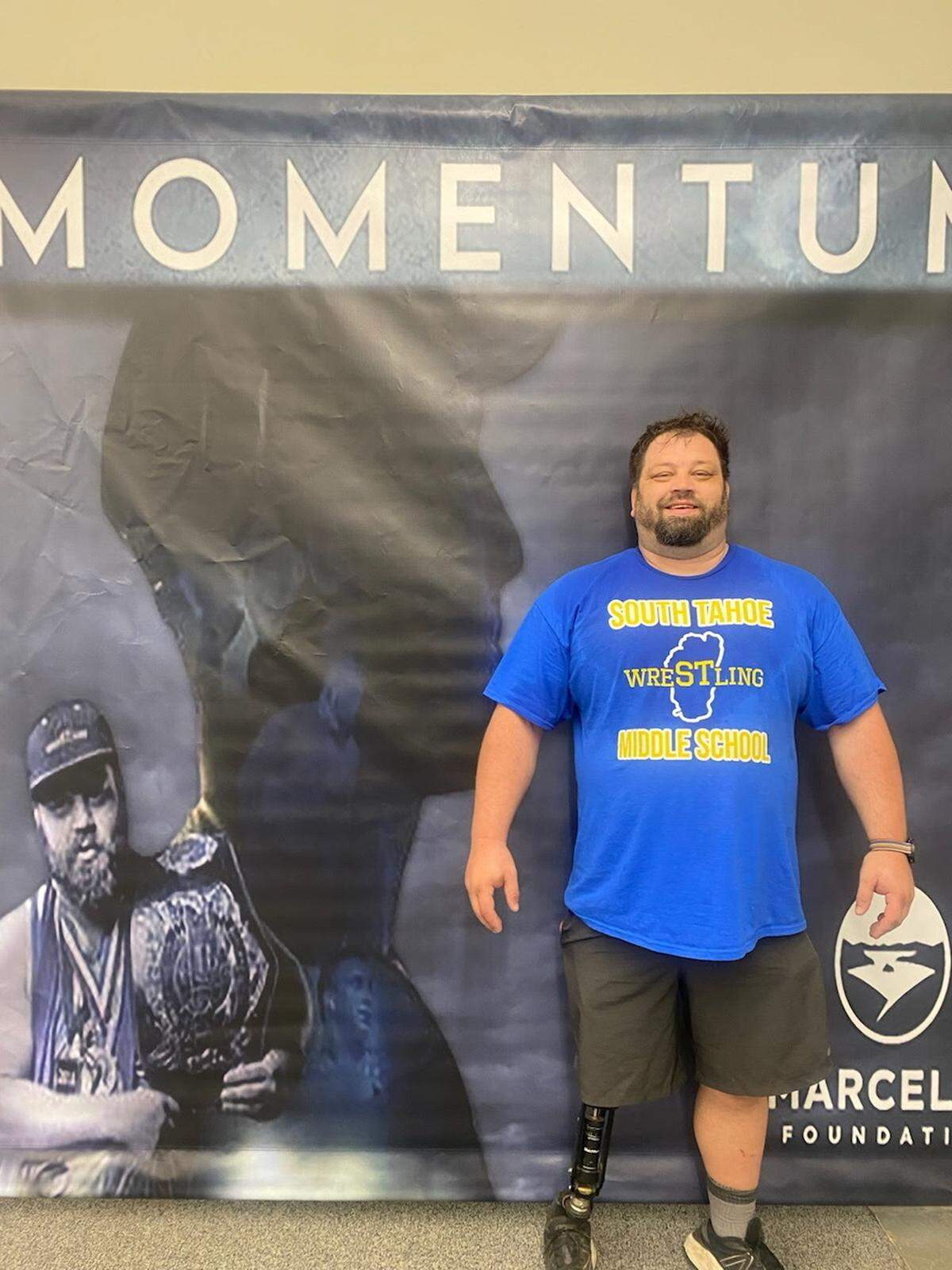
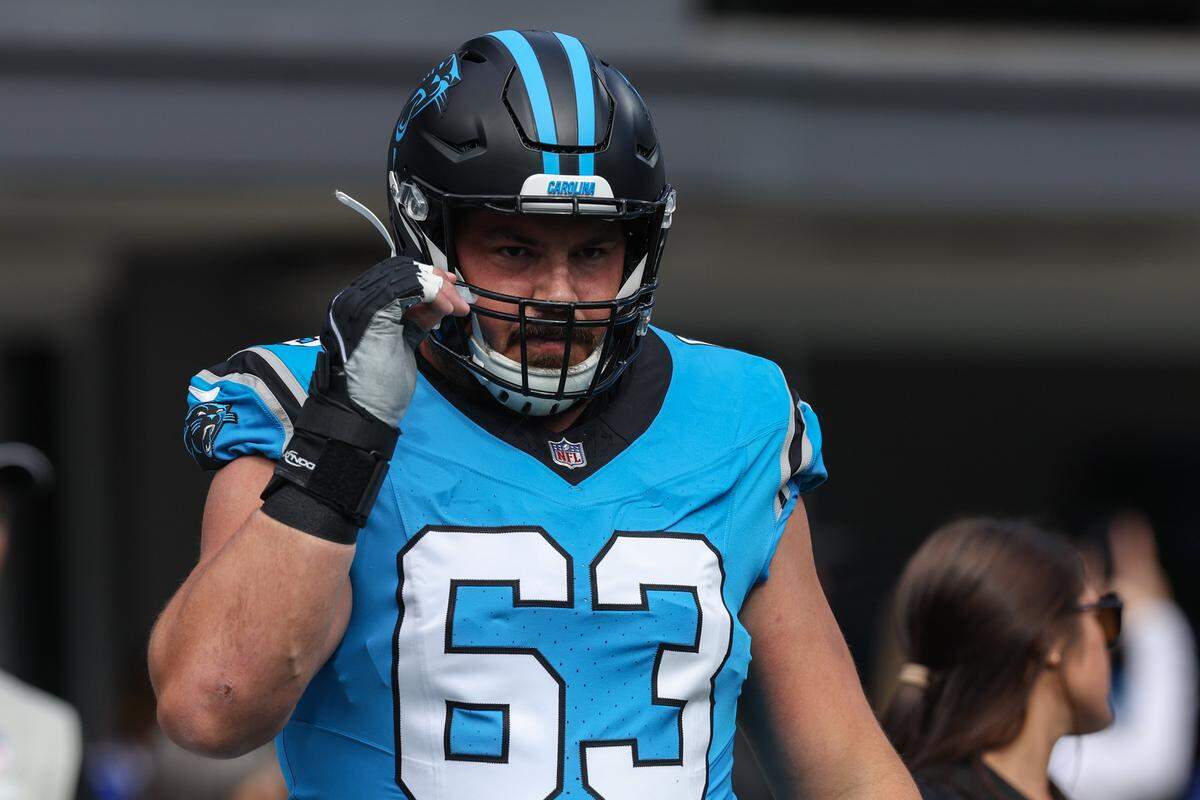
Wallace understands that such a statement might sound hyperbolic now. Silly, even. Corbett, after all, is an offensive lineman for the Carolina Panthers. He’s a leader for a franchise that’s one win away from its first playoff appearance since 2017. And Wallace, similarly, has accomplished a ton in the wrestling realm: winning five state championships as the wrestling coach at his alma mater, South Tahoe High School, and working with U.S. ParaJitsu in varying capacities.
But travel back two decades, a few months before Corbett and Wallace met at that wrestling tournament, and things might become a bit clearer.
Growing up, Wallace wanted to be the greatest wrestler there ever was. He dreamed of winning a high school state championship his senior year. Then a national championship in college. And more, whatever that looked like. Then, in 2004, his senior year, Wallace broke his right leg. Then upon further examination, doctors discovered he had a rare bone cancer. The disease required amputation. Without a leg, Wallace’s identity had been stripped from him, he thought. He was bereft of purpose.
In the spring of 2005, after months of “feeling sorry for himself,” Wallace realized he needed to return to the mat. So he did. He went to seven or eight tournaments around the Reno area, and the more he competed, the more people started remembering him — an amputee who simply wouldn’t quit.
Kids gravitated to him. And one in particular was Corbett, who “wrestled his butt off,” who always said hello to him and who always was in Wallace’s mat corner, screaming encouragement. Wallace watched Corbett’s matches, too. Wallace realized that what he did inspired some, and he found purpose. That purpose was still through wrestling — but it was a new one nonetheless.
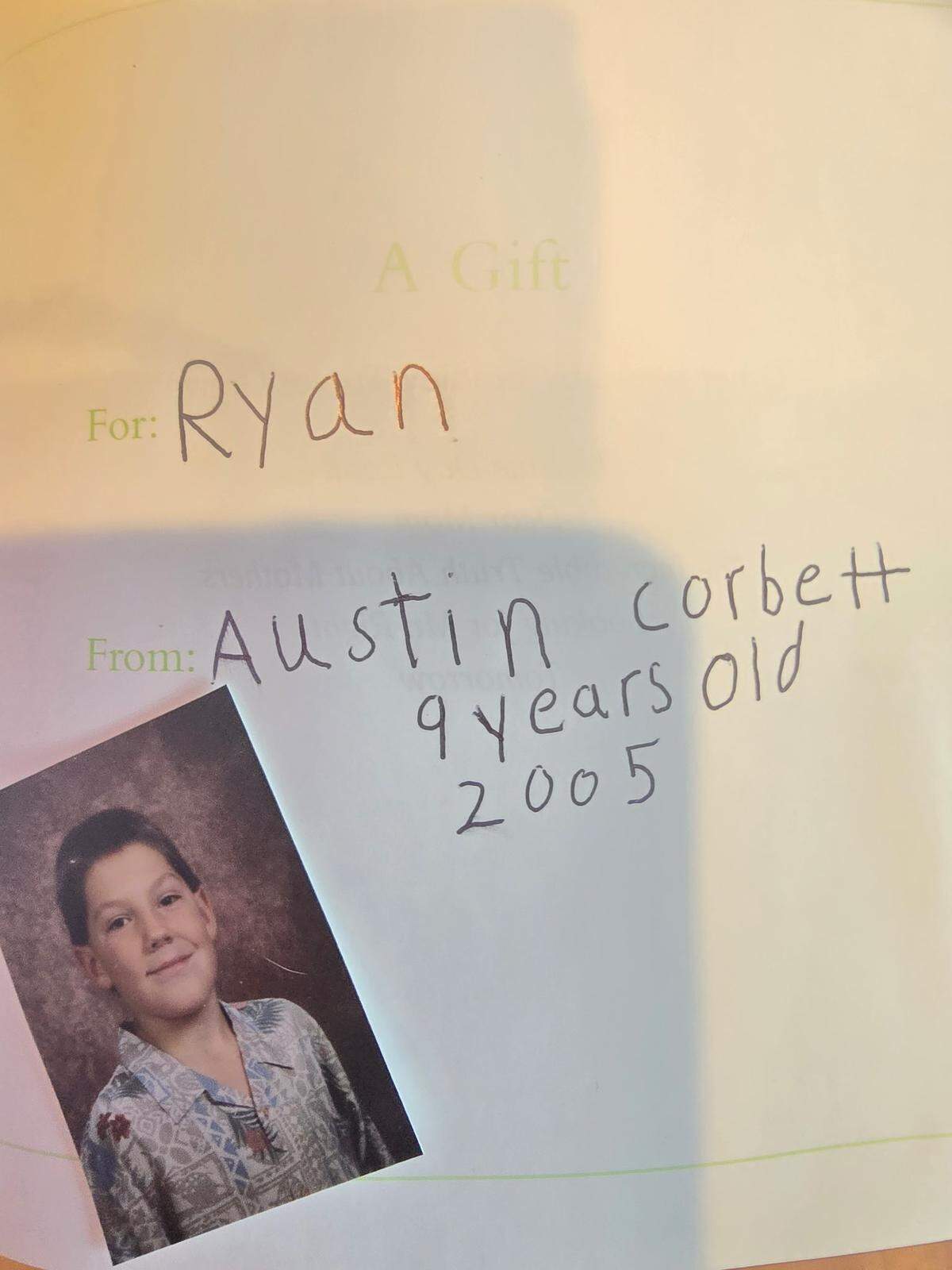
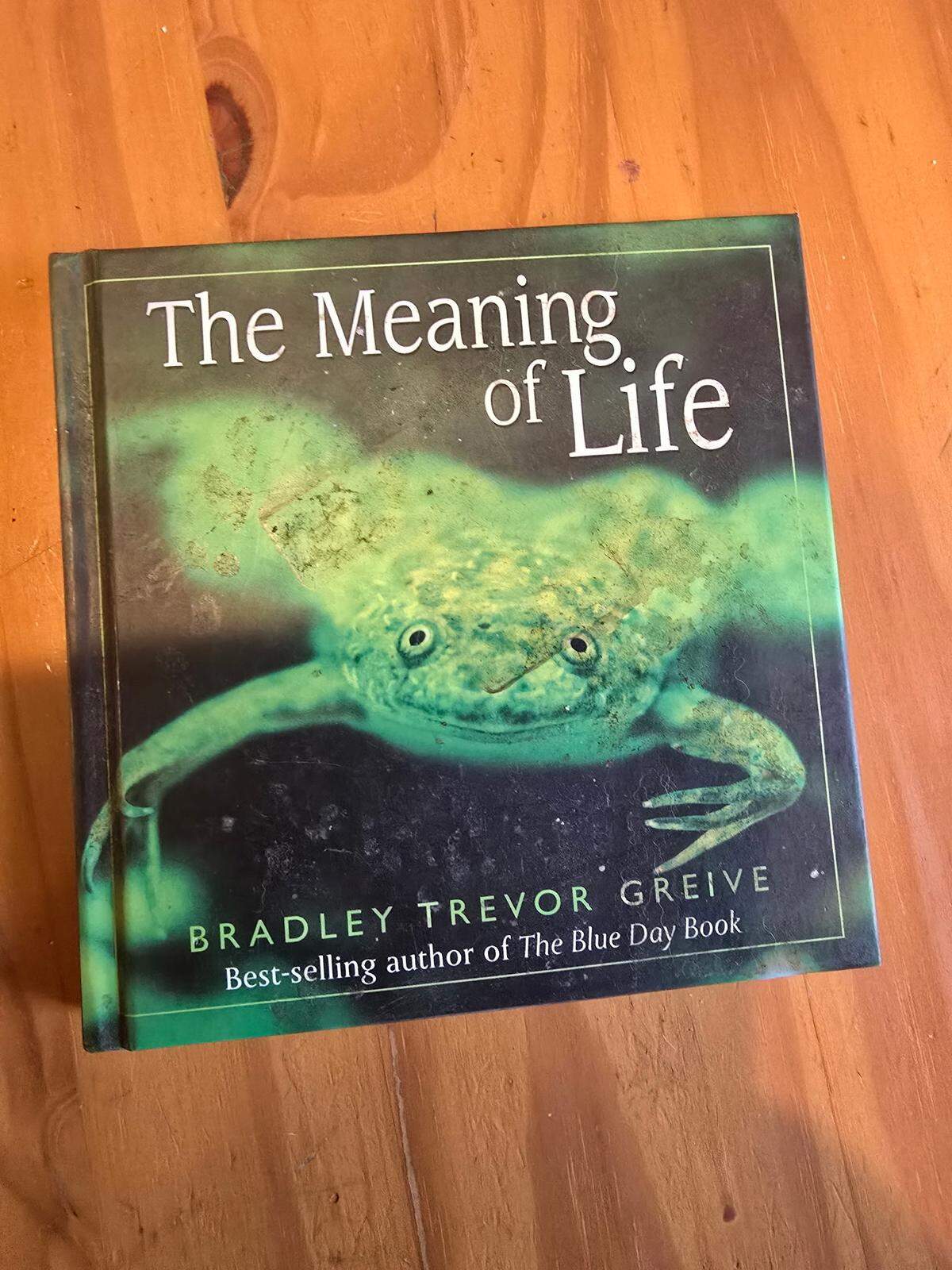
Then, sometime in 2005, that 9-year-old Austin did something Wallace wouldn’t forget. It was simple: Corbett wrote a note to one of his heroes. The ink had smudged in a few places. The punctuation was endearingly suspect. One word was clearly edited in late. It accompanied a thoughtful but modest gift — a 5x7 book by Bradley Trevor Grieve called “The Meaning of Life,” with a green frog on its cover.
The letter read:
Ryan — Go for your dreams! You truly are the #1 wrestler on the mat. Thanks for watching my matches and giving me advice.
Your friend,
Always,
Austin Corbett.
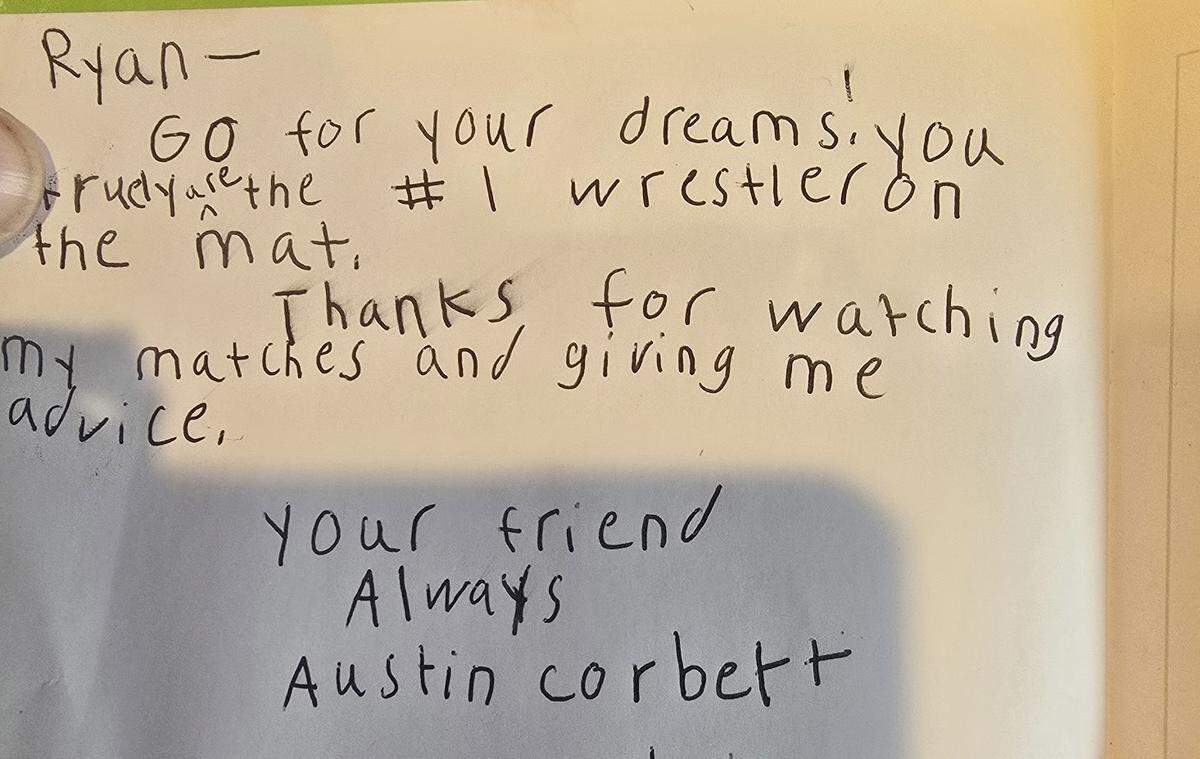
“This book right here, honestly, once or twice a year seeing it, and just knowing that I have it—” Wallace paused. “It really has been 20 years of a boost for me. At least 40 or 50 times, it’s given me a little boost of happiness.”
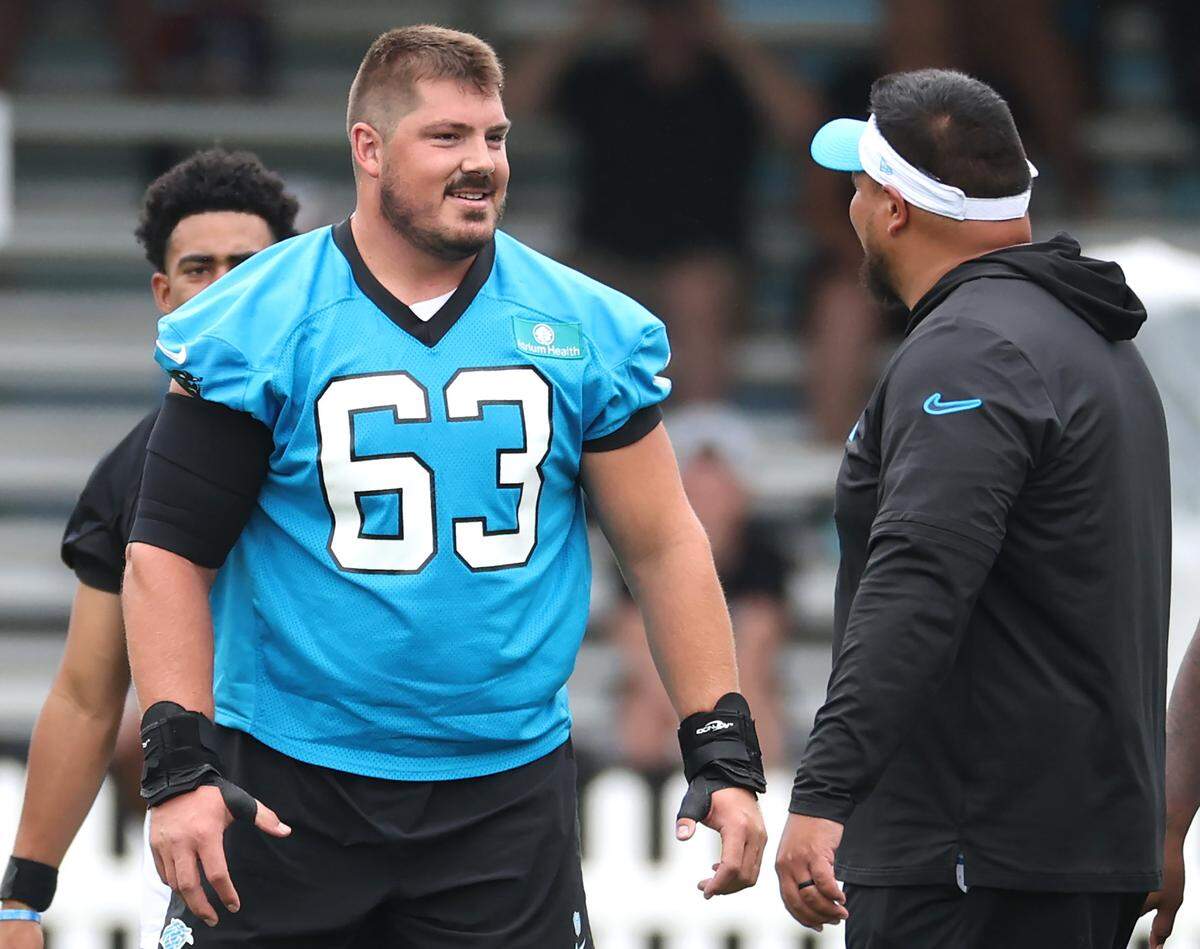
Approximately 20 years after sending that letter, standing at his locker, Corbett smiled as he poked around his memory of Wallace. He was excited Wallace remembered him. Flattered, really. Shocked. Speechless. A reporter handed him an iPhone with a screengrab of the letter Wallace referenced, of the book that Wallace still keeps in a box in his home. He scanned it and shook his head.
“That’s me — that’s my address,” Corbett said, smiling in disbelief.
There’s just one thing:
Corbett doesn’t remember it.
Austin Corbett and the lost art of handwritten notes
It’s a bit poetic how this all works now, with the benefit of a decades-long hindsight. Wallace didn’t know his power of inspiration 20 years ago. And today, Corbett literally doesn’t remember writing something that Wallace goes back to year after year.
Now, in fairness, it was 20 years ago. Corbett was 9. And also in fairness, when asked, Wallace wasn’t surprised at all Corbett didn’t remember purchasing the book or writing the letter. That’s sort of the point, Wallace said — that small acts of kindness, that small moments of excellence, are worthy not because you’ll be the one to remember them forever, but because someone else might.
Another point of fairness?
Corbett’s mother remembers it.
Melissa Corbett remembers her and Austin reading the book — “The Meaning of Life” — in an aisle in Amy’s Hallmark Shop in Reno and purchasing it. She also remembers the smudgy handwriting: of Austin, yes, but also of his older brother, Garrett, and his younger sister, Krystina.
Austin, after all, wrote a lot of letters as a kid.
“I know for a while my boys used to get a little upset after Christmastime because there were so many letters that I wanted them to write out,” Melissa said, laughing. “But that was just something that he always did. All of them. ... We just wanted them to realize that gifts aren’t just handed out. You need to appreciate them, and be thankful for things like that.”
Corbett has had a lot to be thankful for. He started playing football when he was 8. Got into wrestling around the same time with his brother. Corbett still loves wrestling, he said — of how it taught him leverages, of how it required strength, of how it engendered the gladiator’s mentality of finding ways to stay in fights until the end, bitter or sweet. As a freshman in high school, Corbett enumerated several goals, his mother said. Among those goals was to graduate with honors and to play football at West Virginia University. He also wanted to letter in football, wrestling, baseball and “try to letter in weightlifting,” too.
How did she remember all that? Corbett wrote a letter about it.
And he nearly accomplished it all. Instead of West Virginia, he played offensive line at the University of Nevada at Reno. That turned into an NFL career that’s seen a Super Bowl and now has him in his fourth year in Carolina — a tenure that has seen him fight valiantly through three long-term injuries in consecutive seasons.
Corbett might not be as diligent as he once was with letter-writing. There are more ways to stay in touch with his friends, his family. But he’s still thoughtful with how he communicates. He knows when to call his mother, a licensed day care worker. He knows when to call his father, too, a truck driver who steers the night shift. Corbett often phones his father, Theron, when he’s beginning his day (around 6 a.m. ET) so he can catch him while Dad is still on the road (around 3 a.m. PT).
Theron, like his son, doesn’t remember the book, he said. But he loved hearing about Wallace reaching out to a reporter in hopes of doing this story — of how someone Austin was once inspired by is now inspired by Austin all the same.
Said Theron, with a proud shrug: “You just hope you raise your kids to be decent human beings.”
The NFL platform still surprises Austin Corbett
For Corbett, reliving this story reminded him of something obvious:
You never truly know your impact.
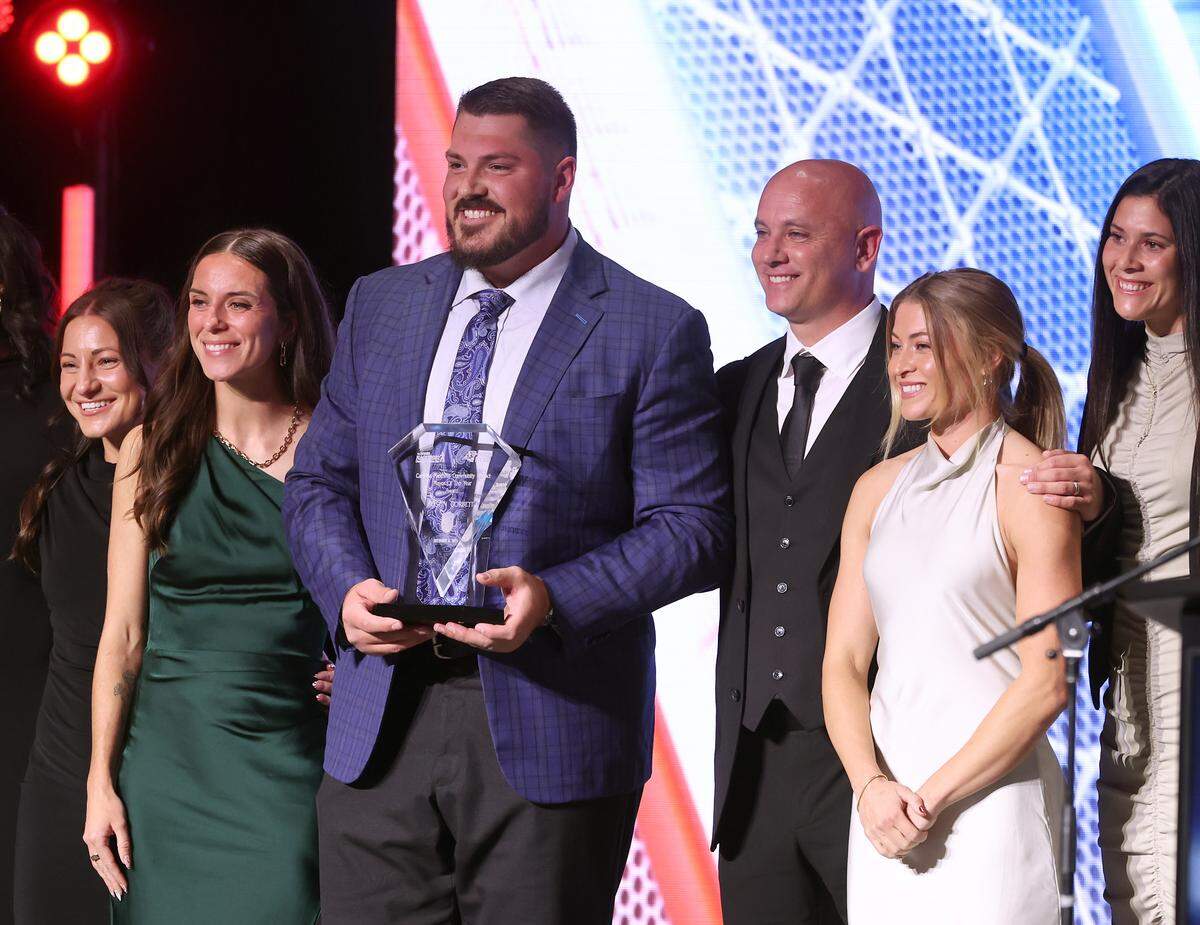
The NFL platform is massive. Corbett feels that power occasionally. He felt it after being named the team’s Walter Payton Man of the Year nominee this year for his various philanthropic efforts, which included supporting the All Within My Hands foundation dedicated to fighting hunger, supporting workforce education and strengthening local communities.
But this tiny letter, this small story from back home — it’s a bit different, Corbett said.
“For him to continue following me throughout my entire career and be able to just somehow get connected to you is just absolutely incredible,” Corbett told The Charlotte Observer. He added, “Getting recognition from him, a guy I looked up to, there’s this feeling of shock. ... It’s special.”
To Wallace, there are lessons on both sides of this story.
The first is to take what can easily be an excuse for failure and use it as fuel to succeed. The second is to acknowledge when people are persevering.
After all, Wallace said, it can travel farther than you think.
“As soon as I stopped feeling sorry for myself and started saying, ‘I’m going to show these kids that no matter what is in their way, they can still follow their dreams and have goals and have ambition and pull the wagon — that’s when my motivation every day exploded,” Wallace said. “That’s when my life just continued to build on itself. I felt purposeful and happy.
“And then on the other side, if somebody in your life is doing that for you, recognize it. Acknowledge it. And even a very simple kindness, like a small note, small book, an encouraging word — it can have a positive rippling effect that you can’t imagine.
“You can be an NFL player and have no idea when you were 9 years old, you inspired a coach who has dedicated his whole life to making other people feel the way you made him feel.”
This story was originally published January 1, 2026 at 5:00 AM.