How a Stanley Cup Final between Carolina and Vegas embodies the modern NHL era
AI-generated summary reviewed by our newsroom.
- Vegas won the Cup in 2023; Florida won in 2024 and 2025.
- Carolina has sold out the past 165 home games at Lenovo Center.
- Dallas, Carolina, Tampa Bay and Florida rank among the NHL's top 10 in average attendance.
If you’re in the Triangle, and you’re tired of the lazy trope that NHL hockey doesn’t belong in warm-weather climates, away from the so-called “traditional” hockey markets … you’re not alone.
If you’re reading this from “away,” perhaps from within one of many markets where snow and ice have a normal place in the annual weather cycle, and you still believe pro hockey doesn’t belong in the above-mentioned warmer-weather markets? You, also, are not alone.
But you need to get a better grip on reality.
In the NHL’s first expansion era, when it doubled in size from its “Original Six,” Los Angeles carried the torch as the lone sun belt addition. And there it stayed for more than two decades, the Kings failing for more than four decades in finding ultimate success by winning the Stanley Cup.
But, the Kings survived — buoyed in large part by the addition of Wayne Gretzky in 1988 — and have thrived.
An outlier?
For a while, maybe. Atlanta came and went (the first time). Then came Tampa Bay. And Florida. And Dallas. And, eventually, Carolina.
Still, the southern tier teams carried a chip on their collective shoulders, always seemingly fighting for legitimacy.
In 2002, five years after the Canes’ move from Hartford to North Carolina, and three years after what is now Lenovo Center opened its doors, the Hurricanes hosted their first Stanley Cup Final.
News articles in Detroit tried to coin the series “Hockeytown vs. Mayberry,” aggrandizing the Motor City and its stature among professional hockey’s elite markets at the expense of the NHL’s foray into Southern markets.
Remember, this was 2002. Raleigh’s total metropolitan population was about 605,000 people, about one million fewer than today, with Raleigh proper sitting at about 313,000. It was the smallest market in the NHL at the time, the team fresh off a move from a legacy Northeastern city, and that Stanley Cup Final against the Red Wings marked just the fifth time an NHL team from a “warmer climate” played for the championship. (Dallas had been the first to win in such a market in 1999.)
“It was funny at first,” then-Carolina coach Paul Maurice told reporters a few days later. “But it’s probably more embarrassing now for the people who are saying it. You just need to spend a little time in Raleigh — what a fabulous place to live.”
Maurice had two stints as head coach of the Canes, and has since won two Cups with the Florida Panthers. But he’s always spoken fondly of his time in Raleigh.
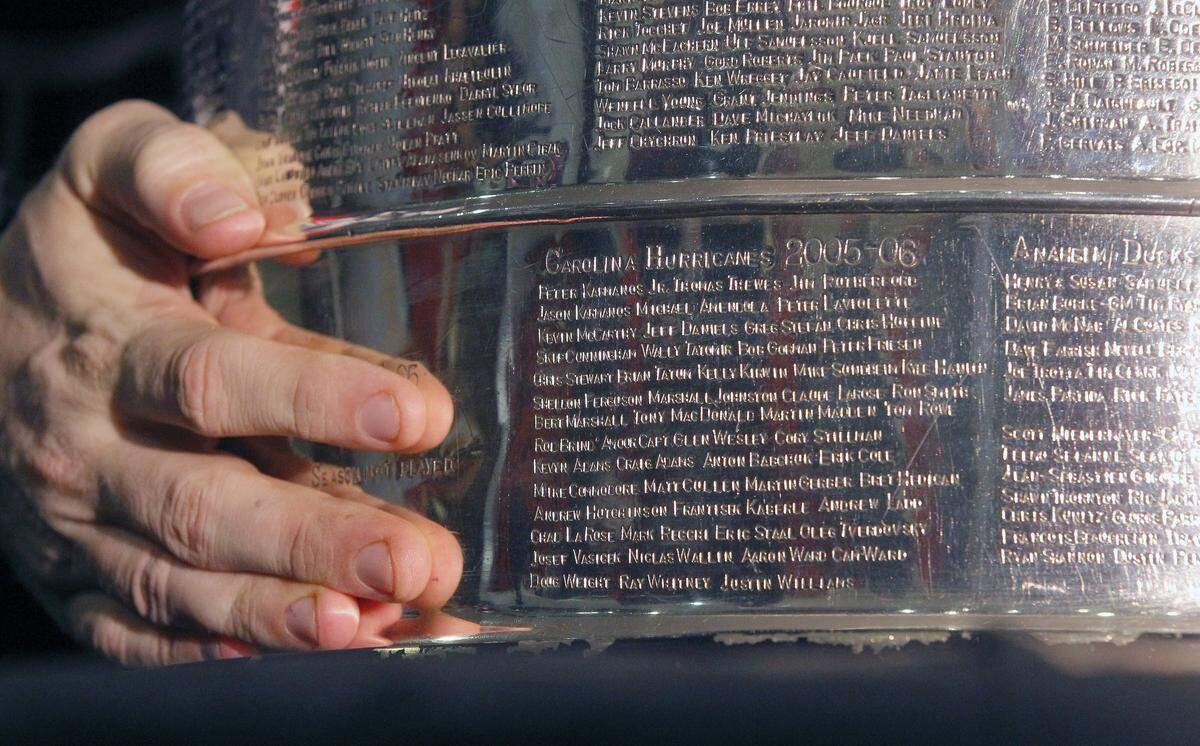
Tampa Bay broke through again for the southern tier of teams in 2004, and after the NHL lockout killed the 2005 season, the Hurricanes won their championship in 2006. Anaheim made it three in a row in 2007, with each southern-tier team defeating a Canadian counterpart in the final.
Twenty years — an entire generation — has passed.
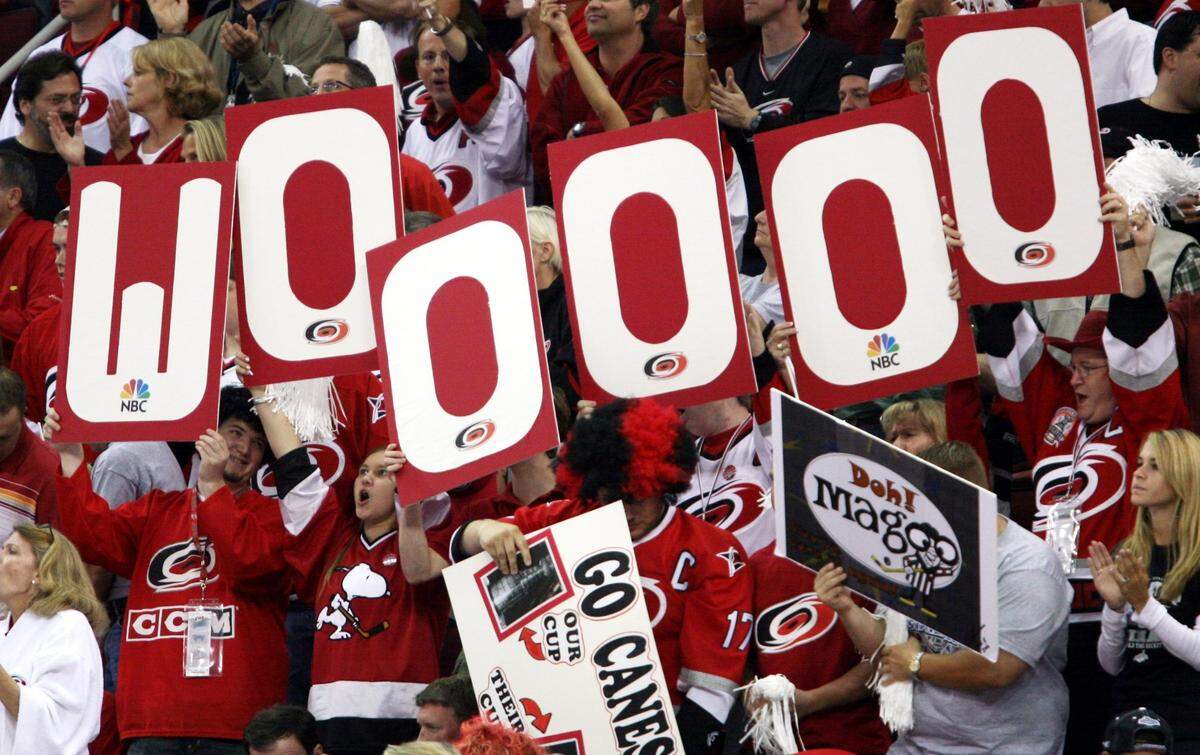
Yet, social media — a far larger part of the public discourse these days than in 2006 — has been riddled with predictions of low TV ratings, of boring hockey, of people watching something they don’t understand.
To be fair, after the Canes made a third deep playoff run in 2009, the franchise fell on hard times on the ice, a stretch of 10 years some refer to as the “dark times” in Hurricanes history. Many people tuned out, and that gave rebirth to the trope that hockey couldn’t survive.
But the roots from 2006 had grown deep, if dormant.

A new owner in 2018, Tom Dundon, begat a new general manager, a new coach — and a new attitude.
“The first half of my first season, we weren’t winning very much,” Hurricanes forward Jordan Martinook admitted Monday, ahead of Game 1 of the Stanley Cup Playoffs. “I feel like with any organization, you put a good product in front of them, they’re going to start coming, and that’s exactly what we did and it started happening.
“Once we gained traction, started selling out the building, you started realizing what could happen here,” Martinook continued. “The team had struggled for a long time, and it’s hard to keep people invested if you’re not winning and you’re not relevant.”
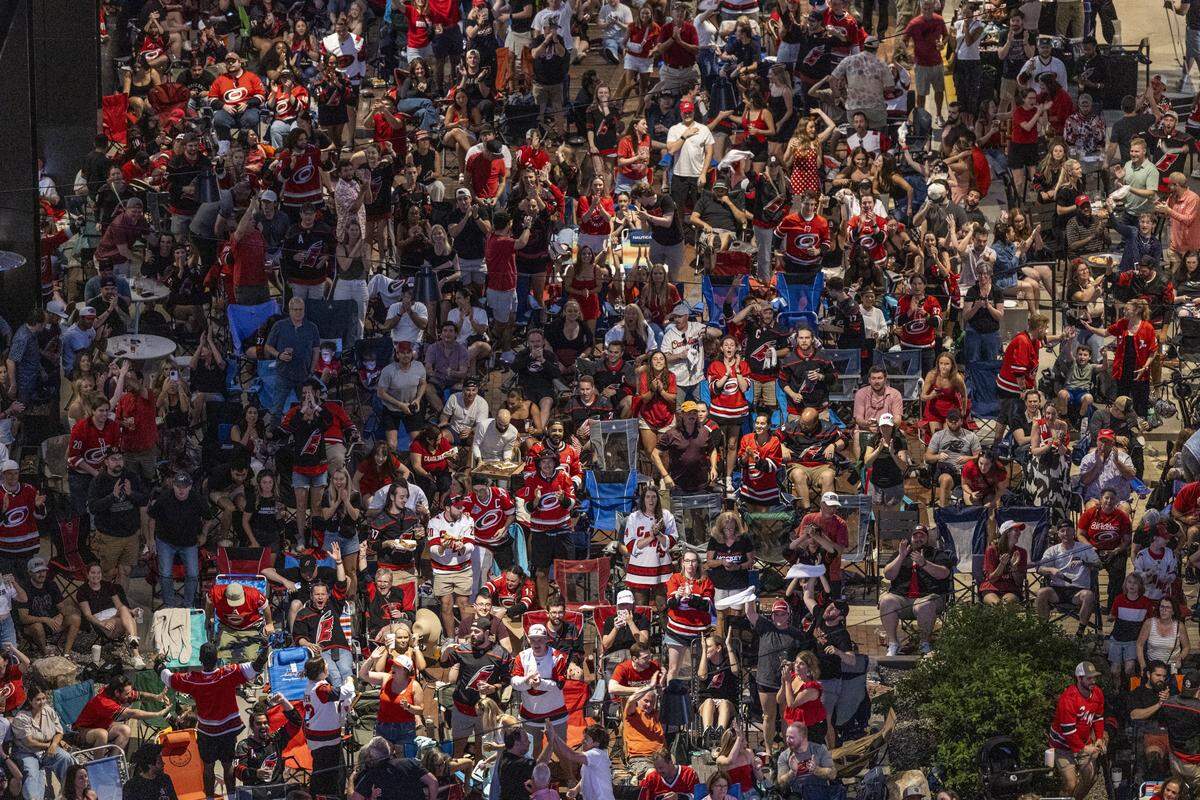
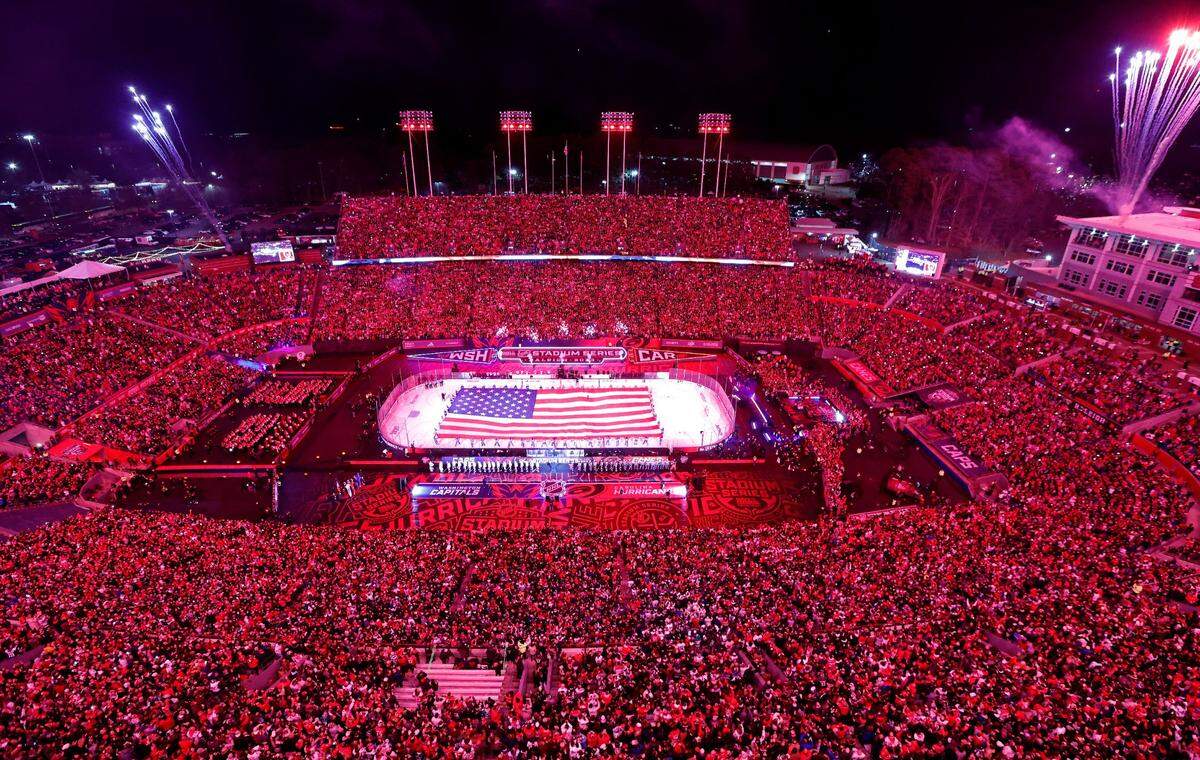
The NHL believed in what was happening in Raleigh enough to award the city one of the league’s crown jewels, a Stadium Series outdoor game. On the ice, the team has been to the playoffs in each of Rod Brind’Amour’s eight seasons as head coach. Last week marked the team’s fourth Eastern Conference Final appearance in those eight years, and the Hurricanes have sold out the past 165 home games at Lenovo Center — and counting.
It’s not just Raleigh and the Hurricanes continuing to prove Bettman’s expansion vision correct.
Florida won the Stanley Cup in 2024 and 2025. Vegas won in 2023, defeating the Panthers. Tampa Bay went to three Stanley Cup Finals in a row before that, also winning two of them, and one of those against Dallas.
That’s a whole lot of sunshine filtering through those snowflakes.
And the TV ratings?
A glance through those numbers provides a bigger indictment of the NHL’s choice of primary network carriers than it does of the teams involved in the Stanley Cup Final.
Regardless of matchup, series’ on over-the-air networks fare far better than those offered on niche or cable/streaming-only options, and that dates back to the Versus/NBCSN/NBC days.
The bottom line is, hockey is hockey. Vegas is easily the most successful expansion franchise in NHL history (the reasons are many, and that’s for another day), and fans have followed the Golden Knights’ rise from the beginning.
Of the NHL’s top 10 teams in average per-game attendance, Dallas, Carolina, Tampa Bay and Florida are all there. Four southern-tier teams are also among the Top 10 in the NHL in percentage-to-capacity attendance for the season, which accounts for the variance in building size.
That, friends, is the modern reality of the NHL.
To those who need to hear it: Get a grip.
This story was originally published June 2, 2026 at 5:30 AM with the headline "How a Stanley Cup Final between Carolina and Vegas embodies the modern NHL era."