What’s in an NFL nickname? Washington’s impending change provokes all sorts of responses
Washington’s NFL team announced Monday it would change both its nickname and its logo.
That matters deeply to a lot of people, and I talked to three of them with Carolinas connections — a huge fan of the team who is also a Charlotte attorney; a former NFL player for both Washington and Carolina; and the Charlotte Observer sports editor who banished the nickname from our sports pages way back in 2014. He took more heat for that call from Observer readers than for any other decision he ever made — except one.
Before we get into each of their viewpoints, though, let’s remember why the Washington team — which hasn’t announced what its new nickname will be yet — has such deep roots in the Carolinas.
“I grew up watching the Redskins every Sunday,” said Tommy Barnhardt, a punter from China Grove, N.C., who would later punt for Washington in both the 1988 and 2000 NFL seasons. “The Atlanta Falcons were on every Sunday, too, but they usually weren’t any good. So North Carolina was Redskins country.”
I can attest firsthand to that. And I should also note that in this story I will occasionally use the word “Redskins” despite The Observer’s general ban on that word, since the story concerns the issue of the team’s impending name change.
A shameful history of racism
My parents moved our family from Texas to Spartanburg, S.C., in 1973, when I was in the third grade. As a Dallas Cowboys fan whose proudest possession was a Roger Staubach jersey, it was disconcerting to find out every other third-grade boy in my class loved Washington, due to the team’s success, constant TV coverage and geographical proximity.
That loyalty had been developing in the South for years. In the 1950s, former North Carolina star Charlie “Choo Choo” Justice played for Washington, and he was so popular that trainloads of fans would come from the Carolinas to see Choo Choo run the ball.
For decades, every Washington team was all-white. George Preston Marshall, Washington’s original owner, had a shameful history of racism. Marshall was Washington’s founding owner and also the last NFL owner to integrate his roster, which he did in 1961 after coming under pressure from the Kennedy administration. Washington Post sports columnist Shirley Povich once wrote of Marshall’s legacy: “He was widely considered one of pro football’s greatest innovators, and its leading bigot.”
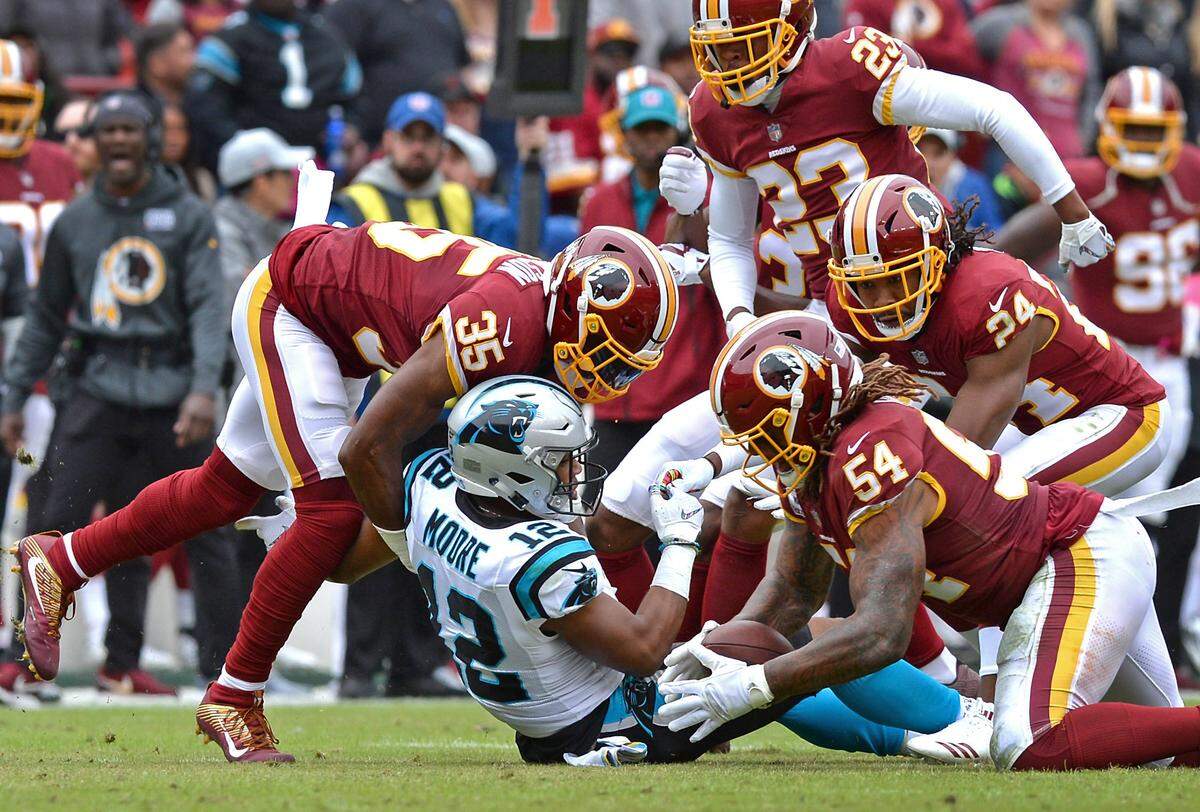
It was Marshall who had chosen the nickname “Redskins” in the 1930s and had his wife wrote the lyrics for the fight song “Hail to the Redskins.” Some of the original lyrics, according to The Washington Post, included the lines:
“Scalp ’um, swamp ’um — We will
Take ’um big score.
Read ’um, weep ’um, touchdown,
We want heap more.”
Well after Marshall’s death in 1969, Washington succeeded on the field. By the time Barnhardt got to Washington as a player in 1988, Washington had one of the NFL’s most passionate fan bases and had already won two Super Bowls under head coach Joe Gibbs in the 1980s (a third would come in 1991 for the future NASCAR Hall of Fame owner).
“Those days in RFK Stadium were among the best days of my life,” Barnhardt said. “That place rocked.”
View from a Washington fan
Norris Adams was a child then. Now a lawyer in Charlotte, in 1989 he was nine years old when he went to a Washington game and convinced his parents to put his name on Washington’s incredibly lengthy season-ticket wait list.
Twenty years later, Adams got a burgundy envelope. The word “Congratulations” was printed in gold. He had finally moved to the top of the line.
Adams happily bought two season tickets and attended 4-5 Washington games a year, driving the 400 miles from Charlotte. But the long trips and Washington’s even longer streak of mediocrity under current owner Daniel Snyder wore on Adams.
Adams remains a passionate fan and talks online constantly with other Washington supporters, but he gave up the season tickets after five years.
What does Adams think about the name change?
“I think it’s OK,” Adams said. “Am I sort of sad to see it go? Yes, because that’s what I’ve known that team by for my whole life. It’s a complicated issue for me. But it’s inarguable that the word ‘Redskins’ — even if the original meeting was neutral, as some would say — became a slur. So I’m comfortable with the switch.”
As for his group of friends who are hard-core Washington supporters, Adams said: “There’s a lot of anger out there” about the name switch.
Adams said he hoped that Ron Rivera’s first Washington team in 2020 will be called something with the word “Red” still involved: Red Wolves, RedTails or Red Hogs.
Barnhardt, who also punted for the Carolina Panthers during their inaugural 1995 season, likewise has mixed feelings about the name change.
“It’s sad,” Barnhardt said, “because there’s a lot of history there — and I mean on-the-field, winning tradition, not ugly traditions. But I do understand what’s going on today. Maybe this change will make people feel better about things.”
The Observer controversy
In September 2014, just before the season started, Observer sports editor Mike Persinger decided he didn’t want the newspaper to use the name “Redskins” anymore in its print or digital products. The team would get the exact same amount of coverage but would be referred to as Washington in all instances.
A handful of other newspapers had made this change by then, but about 99 percent of American newspapers were continuing to use the term “Redskins.”
Persinger talked to editor Rick Thames and his other bosses, got the OK, wrote a column explaining the change — and immediately got blasted by readers.
“The reaction was 95 percent negative,” Persinger said Monday. “I was criticized for everything from political correctness to people who said I was doing it for attention.”
Persinger said he received about 200 emails and 100 voicemails about the switch and eventually answered all of them. He told the Columbia Journalism Review at the time that The Observer “made news for a weekend, and now we’re doing the right thing forever.”
Persinger left the newspaper in 2019, but senior sports editor Matt Stephens has continued this policy.
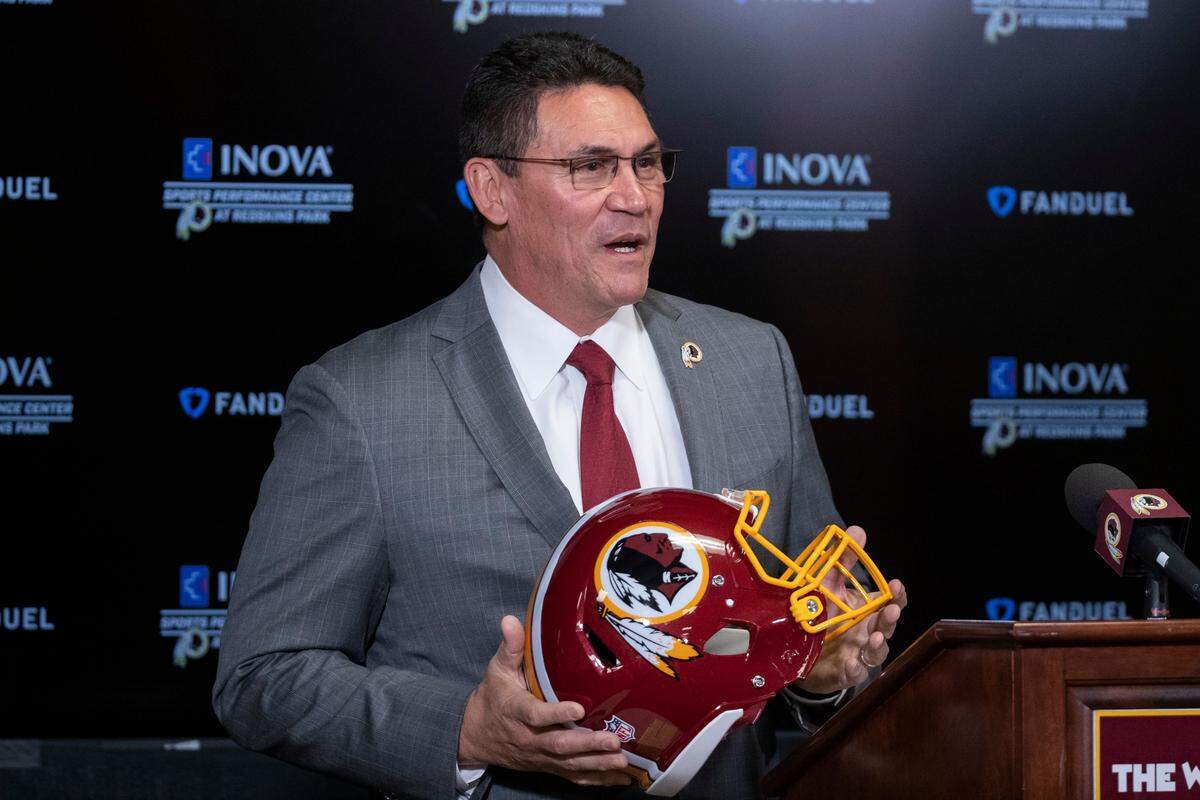
I had nothing to do with The Observer’s decision making in this case. But I have long believed that the Washington nickname was derogatory and needed to be changed. Really, it should have happened years ago.
So I’m happy with what is going on now. Washington owner Snyder is making the right move, even if it’s for the wrong reasons. The owner who told USA Today in 2013 he would never change his team’s nickname has been backed into a financial corner by sponsors and retailers who think it’s time.
As for the only other thing that ever drew more ire from Observer sports section readers in Persinger’s tenure from 2001-19?
It came a couple of years later, when we stopped publishing Major League Baseball boxscores in the print edition.