
On The Run Fueling Options: GUs, Chews...and Gummy Bears
Now that we've covered the 5 best foods to eat pre-run and and 6 foods that will help you recover post-run, it's time to talk on the run fueling. Today we'll explore nutrition for while you're actually running and talk about at what point in your training and racing you should consider including this type of nutrition.
So, when should you add on the run fueling to your nutrition mix? Your body primarily uses carbohydrates for fuel when you're running. The body can only hold onto about 60- 90 minutes worth of carbohydrate stores (depending on your body) so consider using them any time you're running over 75-90 minutes. They're a no-brainer for marathoners and can also be helpful in half marathons to give you a burst of energy to get you to the finish.
Let's start with four important rules:
1) Every person is different. The first thing to remember is that every runner is different in their fueling needs and what works for their body. It requires a lot of trial and error to figure out a nutrition plan that works for you. This applies to pre- during and post-run nutrition.
2) Practice your on the run fueling. Race day is never the time to try anything new! This rule applies to everything from shoes to shorts to your nutrition but especially your nutrition. It can take some time to train your GI system to get comfortable with on the run fueling and to figure out what source your body tolerates best. You want to go into race day feeling confident that this is only something that will help you, not stress you out!
3) Adhere to the "fuel early and often" rule. The goal of fueling on the run is to keep your energy up by not allowing your carbohydrate stores deplete. Once the tank is empty, it's much more difficult to dig out of that hole than if you keep it steady. For most this means taking your first fuel source about 45 minutes in and every 45 minutes to an hour after. It's best to start EARLY in the race because it's common for fuel to be hard to get down in the later miles because the body is so taxed by your running.
4) Always take fuel with water. This will help the body maximally absorb the nutrition and help prevent GI distress. Also, don't take fuel with sports drink! That's a recipe for disaster as you're overloading your body with sugar.
What are your options for on the run fueling? They range from sport-specific options like energy gels, energy bars and chews to normal high-carb foods like gummy bears, fig newtons and raisins. Basically, you're looking for high-carb, low fat fuel.
Let's break down your options.
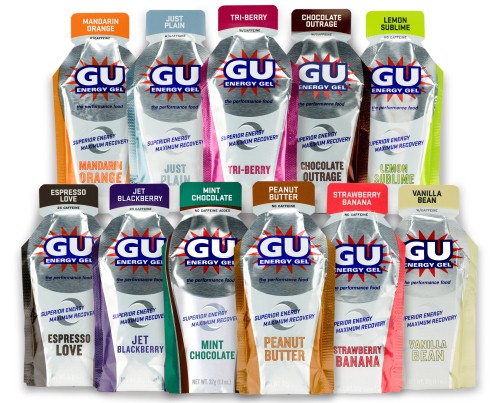
ENERGY GELS
GUs, Hammer Gel, Cliff Shots, Power Gel, Honey Stinger, etc.
What are they?
Super-concentrated gels that deliver carbs (in the form of sugars and maltodextrins), sodium, potassium (most brands) and sometimes even a little caffeine or B vitamins for an extra kick. They typically have about 100 calories per gel.
Why should you consider using them?
These gels are typically around 1.2 or 1.3 ounces and come in small, easy to carry and easy to open packaging. Many running pants and shorts have built in compartments for holding gels. They're an ideal on the run fuel source because they require no chewing and can be taken in quickly. Simply rip off the top, squeeze it into your mouth, wash it down with water and you're good to go.
Something to think about...
Some runners just cannot handle the texture of gels and find them hard to get down. While they are rather thick and concentrated, it helps so much to take them with water. It may take some time to develop a tolerance for these gels but they're one of the easiest fuel sources to carry and use.

ENERGY CHEWS
GU Chomps, Honey Stinger Energy Chews, Clif Shot Bloks, Jelly Belly Sport Beans, etc.
What are they?
Bite-sized energy chews that have a gummy-like texture. Like gels, most brands contain a mix of carbs, sodium, potassium and sometimes caffeine and amino acids.
Why should you consider using them?
Chews are a great choice for those who don't want to deal with the stickiness and mess of gels or those who simply cannot stomach gels. They're also good for runners who find that it's best for them to slowly take in fuel every 15-20 minutes as you can pop one chew at a time easily versus eating an entire pack.
Something to think about...
Chews can be a lot to, well, chew. They can get stuck in your teeth and be a lot to get down. Remember, water is your friend when it comes to fueling! Beginner's tip...cut the top off of the pack of chews before your run so you can easily get out one at a time versus trying to open it while you're running and having the packaging rip.
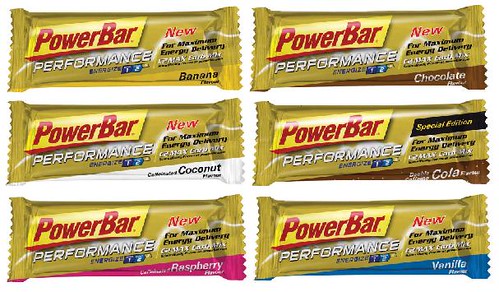
ENERGY BARS
Clif Bars, Power Bars, Larabars, etc.
What are they?
A high-energy blend of ingredients designed for pre- and post-workout nutrition needs and sometimes meal replacement. Some of these bars can work for on the run nutrition.
Why should you consider using them?
We usually recommend bars for pre- or post-run nutrition but high carbohydrate bars can be good for on the run nutrition, especially for those who would prefer to fuel with something a little more "normal" than gels and chews.
Something to think about...
First, be sure to avoid bars with too much fat or protein. Remember, on the run you want to focus on high carb, easy to break down fuel. Second, many bars have around 200 calories so you'll want to break them into pieces and eat them at set time intervals so you don't overload your system. Bars tend to be a more prevalent choice for endurance events like Ironmans and Ultra-Marathons when more fuel is needed over the course of a long period of time.

SPORTS DRINKS
Hammer HEED, GU Roctane, NUUN tablets, Powerade, Gatorade, etc.
What are they?
A mix of water and carbs along with electrolytes that either come ready to drink or in a concentrated tablet or powder that you can mix to your desired strength.
Why should you consider using them?
Sports drinks provide a two-for-one benefit of combining your carbs with your water. They're easy to sip on throughout a run.
Something to think about...
The main consideration when it comes to relying on sports drinks for your on the run nutrition is figuring out how you are going to carry them. You will need to figure out a hydration system that works for you. And remember that race day is not the time to decide you'll just use whatever sports drink they are offering on course. Brand, flavor and strength of the mix could totally throw off the nutrition plan you've worked hard to nail down. Some runners go as far as to ask exactly what sports drink will be served on the course.

NATURAL FUEL
Raisins, bananas, dates, pretzels, gummy bears, marshmallows, etc.
What are they?
Things that you'll find in your own kitchen that offer an easily digestible high-carb ratio.
Why should you consider using them?
Many runners just prefer to use a more natural source of fuel that isn't some sort of fancy designed gel or chew. Snacking on pretzels or gummy bears during the run is a lot more appetizing for many than trying to choke down a gel.
Something to consider...
Again, portability and ease of accessibility on the run. While a banana can be a great choice for it's abundance of carbs and potassium, how are you going to carry it on you while running? Things like gummy bears, pretzels and raisins can be a little easier to manage but still require some fumbling around to get to.
To wrap it all up, on the run fueling can be a lot to figure out but it's worth the effort for the performance benefits that it can offer. Just remember that every runner is unique in their fueling needs and what works best for them!
We'd love to hear from you. What is your go-to choice for on the run fuel? What is your race day fueling strategy?
This story was originally published October 15, 2014 at 9:36 AM with the headline "On The Run Fueling Options: GUs, Chews...and Gummy Bears."