
Carolinas HealthCare is melding mental, physical treatment
Carolinas HealthCare System is stepping up efforts to care for the mind as well as the body, CEO Michael Tarwater told the system’s board this week.
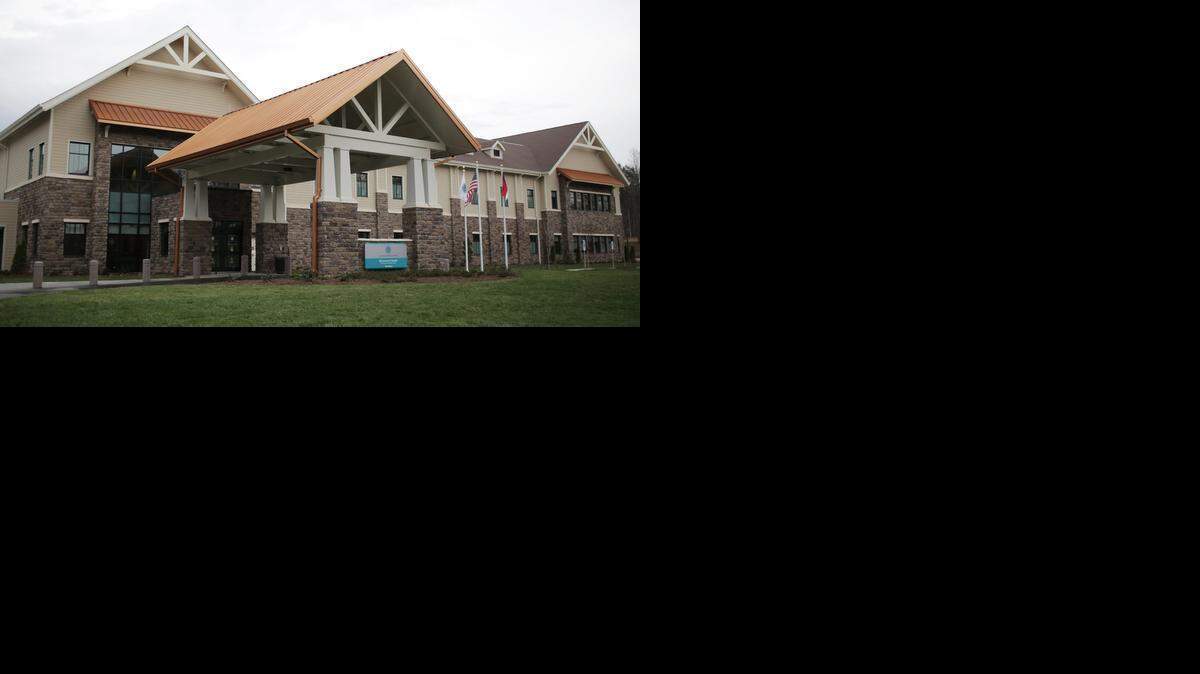
A psychiatric hospital that opened in Davidson last spring is the most visible sign of the system’s commitment to behavioral health, which encompasses issues related to mental illness and substance abuse.
But the cutting edge of this trend isn’t obvious to passers-by. It’s happening in traditional doctors’ offices, where physicians are alert to such issues as depression, anxiety and insomnia and can teleconference with specialists to get quick diagnosis and treatment.
The project started in Mint Hill last spring; six primary care practices now have psychiatric services linked by computer. The goal is to have all 200 CHS practices looped in over the next decade.
The virtual team is also working with health professionals who work with diabetic patients and those at risk for the disease, because diabetics have a high rate of depression.
“The use of primary care within our system is crucial,” said Dr. John Santopietro, CHS chief clinical officer for behavioral health. “More than half of people treated in this country today for their mental illness are treated in primary care, and upwards of 70 percent of primary care visits involve a behavioral health issue.”
The approach, known as integrated primary care, is designed to cope with the shortage of psychiatrists and other mental health professionals, as well as the stigma that can be attached to seeking psychiatric help. Even people who are willing to seek help often wait weeks to get an appointment, said CHS spokeswoman Claire Hosmann.
“Pretty much everybody has a primary care provider,” she said. Doctors who spot signs of a behavioral issue can get an on-call professional on teleconference with the patient, who can leave with a diagnosis, a follow-up care plan and possibly a prescription. At least during the pilot phase, she said, neither the patient nor the physicians are billed for the help.
Tarwater told the board that most reimbursements for behavioral health services don’t cover the cost.
“It doesn’t pay for itself, but it’s the right thing to do,” he said. Tarwater added that he hopes early diagnosis and treatment will eventually be proved to have long-range benefits and savings, in the way that prenatal care is now seen as well worth the cost.
Donors can also help fill the gaps, he said. For instance, the Leon Levine Foundation and individual family members gave $3 million to the Davidson hospital, named the Mindy Ellen Levine Behavioral Health Center.
“In our community we have philanthropic giants who understand the importance of that,” Tarwater said.
Angie Vincent-Hamacher, a lawyer who serves on the CHS Board of Commissioners, said investing in behavioral health will have benefits that go beyond the health care system, potentially reducing poverty, homelessness and crime.
Helms: 704-358-5033;
Twitter: @anndosshelms. This article is done in collaboration with Kaiser Health News, an editorially independent program of the Kaiser Family Foundation.
This story was originally published March 11, 2015 at 4:01 PM with the headline "Carolinas HealthCare is melding mental, physical treatment."