5 years after its sales scandal, Wells Fargo still faces these federal restrictions
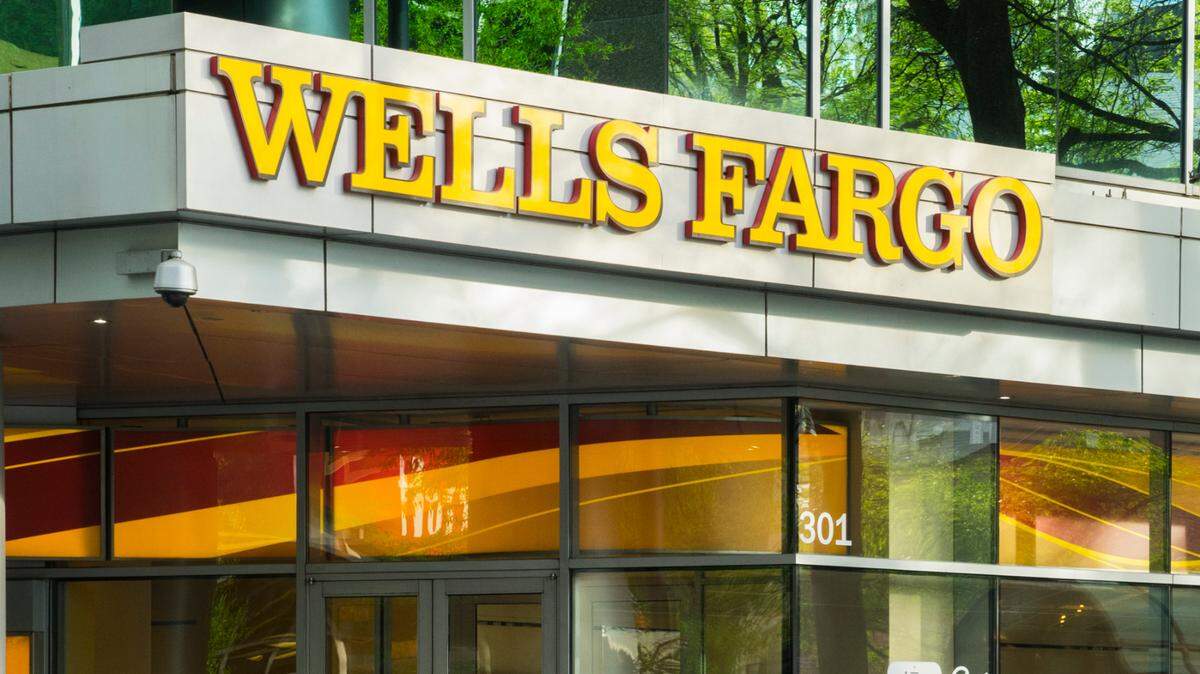
It’s been more than five years since Wells Fargo’s fake accounts sales scandal came to light, but the bank is still wrestling with significant regulatory fallout.
In 2016, the bank was exposed for opening millions of savings and checking accounts without customers’ approval and for having a culture that pushed employees to do whatever it took to reach sky-high sales goals.
Ever since, Wells Fargo has been working with a number of federal agencies and regulators to address the issues at the heart of the scandal and come out from under a series of restrictions. The most significant is a $1.95 trillion asset cap that prevents the bank from growing its balance sheet.
And what happens to Wells Fargo is watched closely by many in Charlotte — the San Francisco-based bank’s largest employment hub with some 27,000 workers here.
Last month, the bank reported its latest sign of progress: The Office of the Comptroller of the Currency terminated a 2015 consent order regarding the sale of add-on products to retail banking customers. It’s a step in the bank’s work to build a sound risk and control infrastructure, Wells Fargo said in a news release, as the company “continues to focus on resolving legacy regulatory issues.”
But the bank is still operating under a number of other consent orders from top regulators that will remain in place until the agencies are satisfied the bank has remedied the problems they identified.
“These things take many quarters, many years to completely dissolve,” said Christopher Marinac, director of research at Janney Montgomery Scott. “I do think they’re making progress.”
Here’s a breakdown of Wells Fargo’s outstanding public enforcement actions by regulator, some of which predate the scandal:
The Office of the Comptroller of the Currency:
▪ September 2015: This consent order, related to a financial subsidiary of Wells Fargo, prevents the bank from acquiring or holding interest in new financial subsidiaries without consulting with the OCC first.
▪ September 2016: The bank had to submit a comprehensive action plan to the OCC, detailing how it would address the issues in its sales practices that led to millions of accounts being opened without customer approval. Wells also had to hire an independent consultant to review its sales practices and send the OCC its customer complaint policies and procedures for review.
The consent order requires the bank to reimburse customers it had harmed and essentially prove to OCC regulators that it could implement and adhere to its new plans and policies. At the time, the bank was also fined $35 million by the agency.
▪ April 2018: Wells Fargo had to submit and then adhere to a plan to fix infractions related to its auto insurance and mortgage services. The agency accused the bank of improper mortgage and auto-lending practices that harmed consumers, and ordered the bank to provide restitution to affected customers. Wells Fargo did not admit or deny the allegations.
This consent order also included a provision that anyone appointed to a “senior executive officer” position had to be run by the OCC first. The bank was fined $500 million by the OCC for the infractions.
▪ September 2021: Wells didn’t meet the requirements of the April 2018 consent order, the OCC alleged. The bank was required to implement an effective loss mitigation program related to its mortgage business and fix what the regulator called “significant deficiencies” in the way it went about paying back customers harmed by the bank’s “unsafe or unsound” home lending practices.
The new consent order also restricts the bank from acquiring certain third-party residential mortgage servicing and requires the bank to ensure that borrowers are not transferred out of its loan portfolio until remediation is provided. Wells Fargo also got slapped with a $250 million fine.
The Consumer Financial Protection Bureau:
▪ August 2016: The regulator accused the bank of illegal practices in its private student lending business: illegally charging some borrowers late fees and processing payments to maximize fees, among other things. The consent order requires Wells to improve its customer billing and student loan payment processing practices and provide relief for borrowers. The bank did not admit to any allegations.
▪ April 2018: This consent order, released alongside one from the OCC at the same time, also addressed the bank’s auto lending and mortgage business, and ordered the bank to reimburse customers. Wells Fargo had to submit, and then implement, a “compliance risk management plan” that fixed the improper practices which the agency identified. The bank also paid a total of $1 billion in fines to the CFPB and OCC.
The Federal Reserve:
▪ April 2011: This consent order addressed nine other banks as well, including JP Morgan Chase and Bank of America. It requires that the banks make “significant revisions” to certain residential mortgage servicing and foreclosure processing practices, and submit those plans to the Fed, which is monitoring the banks’ progress.
▪ July 2011: Wells Fargo was fined $85 million for steering prime borrowers into more costly subprime loans and falsifying income info in mortgage applications. This consent order requires the bank to compensate borrowers and submit those plans to the Fed for approval. Wells Fargo didn’t admit to any wrongdoing, but the Fed required the bank to improve oversight of its compensation and performance management policies for mortgage loan officers and underwriters.
▪ February 2018: This is the Fed-imposed asset cap that limits the bank’s growth — the most restrictive of the bank’s regulatory consequences since the scandal.
Making progress
Wells Fargo, which confirmed this list of outstanding actions on Monday, said it has made progress in addressing its regulatory issues.
For example, the $250 million OCC fine in September was accompanied by the expiration of a 2016 consent order from the Consumer Protection Bureau regarding improper retail sales practices.
The bank also noted that in January 2021, the OCC terminated a 2015 consent order related to Wells Fargo’s Bank Secrecy Act/Anti-Money Laundering compliance program.
What’s next for Wells Fargo
Wells Fargo still has some “checks to write” to regulators in terms of addressing the scandal’s aftermath — but Marinac said he thinks the bank is nearing the end of its journey.
He estimates two more years of the asset cap, “to be ultra conservative,” he said. “My belief is that they are addressing a lot of these issues.”
Kyle Sanders of Edward Jones echoed that sentiment in his fourth quarter analyst’s note on the bank.
“While there is still a lot of work left… there are signs that the long-term turnaround story for WFC is gaining traction,” Sanders wrote. He expects the asset cap to remain in place through 2022.
Wells may have some catching up to do with competitors once the asset cap is lifted, Marinac said. But many of the bank’s investors are now accustomed to its regulatory troubles, he said, and are starting to tune them out as they look to future growth prospects.
“I think investors increasingly get comfortable that the bank can handle and address these, and it just becomes noise,” Marinac said. “And I think to some extent, it already is.”
In Wells Fargo’s fourth quarter earnings call on Jan. 14, CEO Charlie Scharf told investors that the bank’s regulatory struggles are complex and might involve setbacks along the way — but that the bank is moving in the right direction.
“I continue to believe that we’re making significant progress, and this is based on what we see in our internal reporting,” Scharf said. “It doesn’t mean that we’re perfect.”
Others think the bank still has a long way to go to address the issues at the heart of the scandal.
Nick Weiner is co-lead director of the Committee for Better Banks, which has been working to unionize the bank. He thinks the scandal exposed “systemic” issues in the way Wells operates, and said that workers tell him the internal changes since just haven’t been sweeping enough.
“They’re not rebuilding from the ground up,” he said.
This story was originally published February 17, 2022 at 6:00 AM with the headline "5 years after its sales scandal, Wells Fargo still faces these federal restrictions."