The lunch rush has just filed out of the downtown Rock Hill food hall, replaced with the relative calm of multiple TVs playing sports talk programming and the few remaining patrons enjoying conversation in small groups.
Amid that serenity, Paul Peart weaves through the dining tables in a rush. The Power House general manager is talking to a maintenance person on the phone while checking on the current state of things.
It’s been over a year since The Power House opened, but there is still a lot going on at the food hall, along with other downtown development projects in the University Center at Knowledge Park.
There’s a lot that falls under Peart’s purview, from ordering equipment and maintenance checks to opening new stalls. A new food stall is set to open Aug. 1, its fourth new food vendor since March.Peartsaid the hardest part of the job isn’t even the work itself; it’s trying to squeeze everything into an eight- to 10-hour workday.
But he adds that his most important responsibility has little to do with the inner workings of The Power House, which will celebrate its one-year anniversary on Aug. 17.
It’s the teamwork behind the scenes that has made The Power House and other parts of University Center possible.
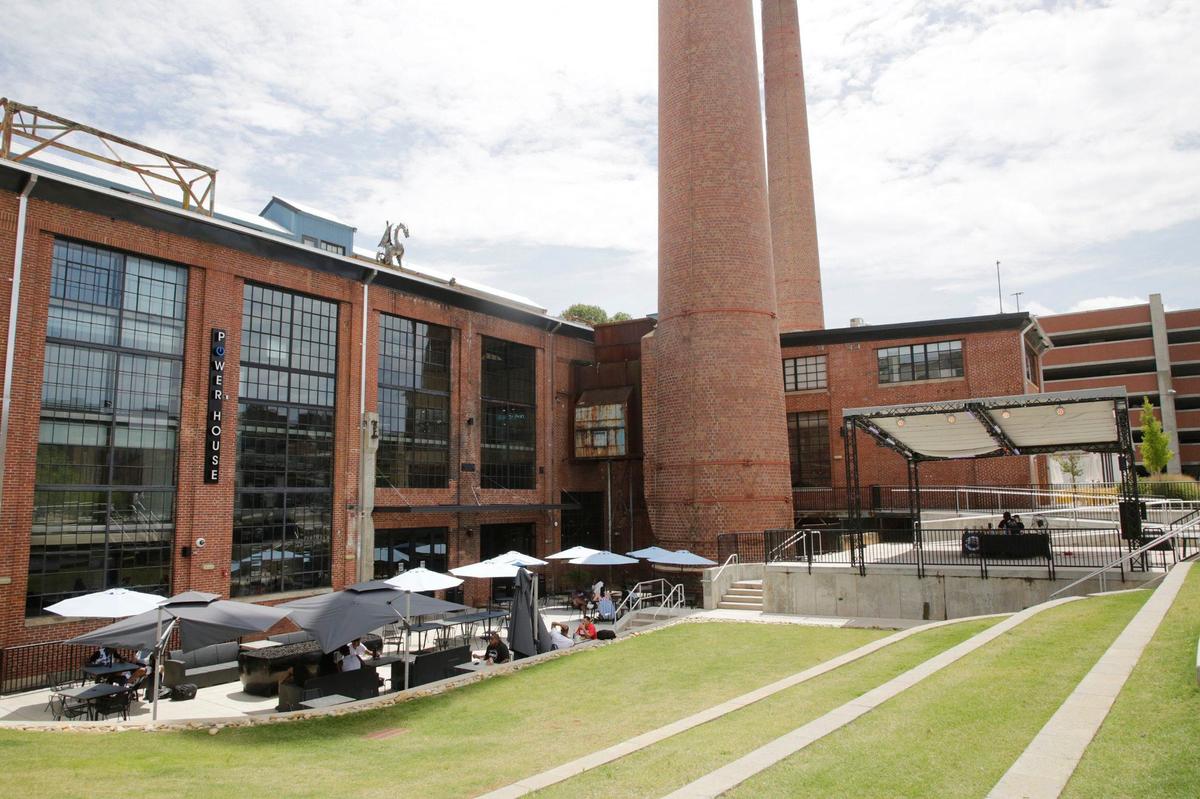
The University Center at Knowledge Park is a revival of the 2.5-million-square-foot historic Rock Hill Printing and Finishing Co., also known as The Bleachery. The food hall itself used to be a city power plant, which opened in 1930.
“The No. 1 priority is trying to keep a priority knowing this is a community engagement space and just trying to make people understand that this space is for the people,” Peart said. “It’s not just a space that looks nice. It is a space that looks nice. It’s beautiful, but we’re also doing this for the community, so we can give back to the community.”
Visitors at The Power House eat lunch Wednesday in Rock Hill. TRACY KIMBALL tkimball@heraldonline.com
Public-private partnership
The University Center development also includes the Rock Hill Sports & Event Center and The Lowenstein Building — and all three locations have been thriving.
The Lowenstein Building houses companies like Swedish-based Altas Copco and Charlotte-based Nucor Steel, the largest producer of steel in the United States.
Rock Hill Mayor John Gettys said the development has been over 15 years in the making, with the city and developers making a total joint investment cost of $220 million into the project.
The Sherbert Group, which owns and operates The Power House, joined development plans in 2019. It also owns the newly opened Easley Apartments.
Sherbert Group CEO Tara Sherbert said the development took a lot of coordination from developers, city and county officials along with community support.
“We have a saying: ‘Re-energizing history beautifully takes community,’” Sherbert said. “It takes community to embrace historic renovations, understand them and understand that you’re taking a site that has been abandoned for many, many years and repurposing it into something new.”
Gettys said a big factor in the success of the University Center development was the public-private partnership with the downtown area.
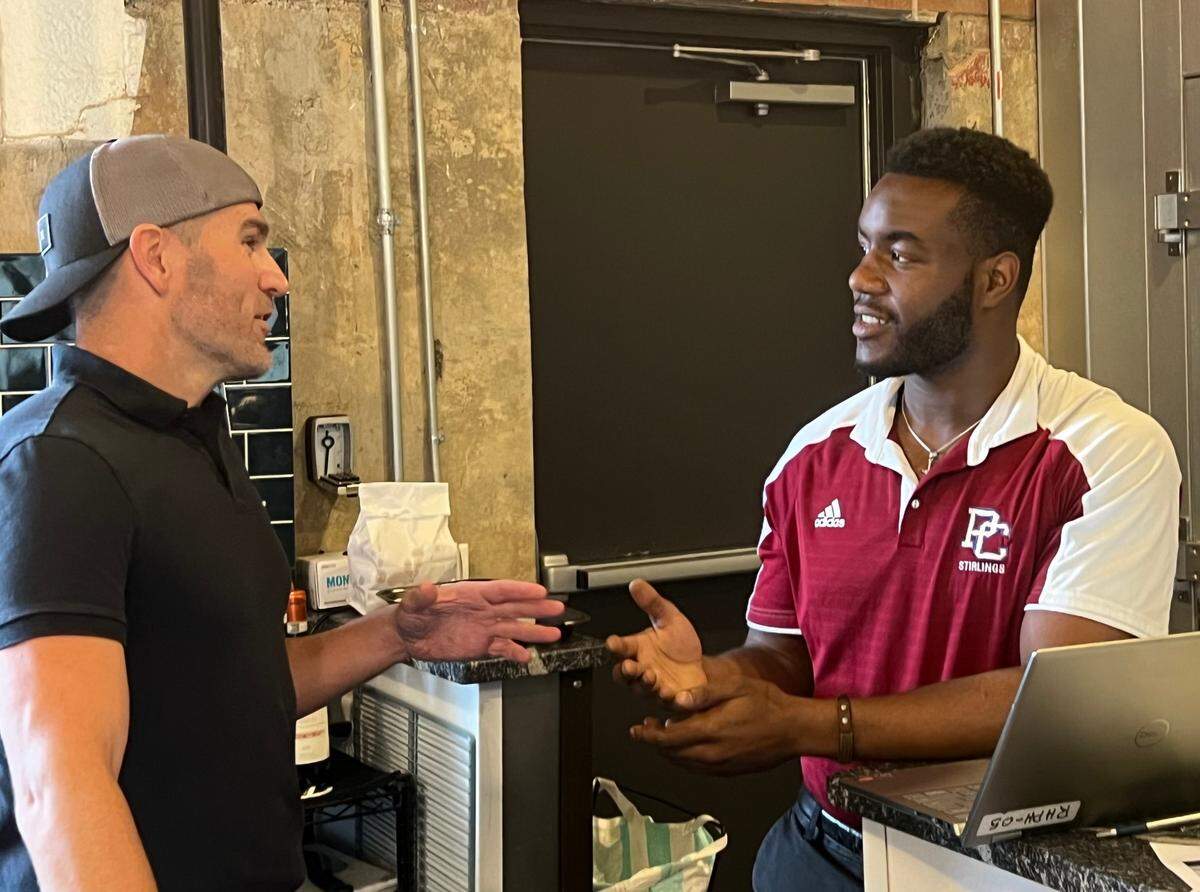
General manager Paul Peart (right) speaks with bartender Tim Lecolst at The Power House. Michael Burgess II
The downtown Rock Hill area is considered a tax increment district, meaning property taxes paid in the downtown Rock Hill area are kept in that area instead of being distributed elsewhere. The generated funds allowed the city to pay for the more risky and environmentally dangerous parts of The Bleachery development, like cleaning out the toxic waste left over at the site.
“When you have that revenue source not being shared throughout the city but in a localized area, you can then bond that all as a revenue stream and get enough money upfront to do parts of projects that nobody else will do,” Gettys said.
“Who is going to pay to clean all the toxins, who’s going to pay to clean all the environmental hazards out? No one; it costs too much, but the city can,” Gettys said. “Also, because of the way it structured everything, once completed, anysubsequent owner has no liability issues related to environmental stuff, and that’s a big deal.”
Visitors eat lunch at The Power House Wednesday in Rock Hill. TRACY KIMBALL tkimball@heraldonline.com
Developments on the way
Gettys is proud of what University Center has become, but the city is still looking ahead to newer developments that are either in progress or set to break ground soon.
This includes three multi-level parking garages, a 125-acre park located near the American Legion building on Heckle Boulevard and an annex to the Sports & Event Center on East Main Street.
The locations for the three new parking garages are:
On the opposite side of The Thread on West White Street
On the site of the former Herald building at the corner of Dave Lyle Boulevard and West Main Street
Behind the Wells Fargo on East Main Street
Gettys said the Sports & Event Center annex is projected to open December 2025. The construction of the new park is projected to begin summer 2025 and will likely be done in a decade, with the new ball fields projected to be finished by fall 2026.
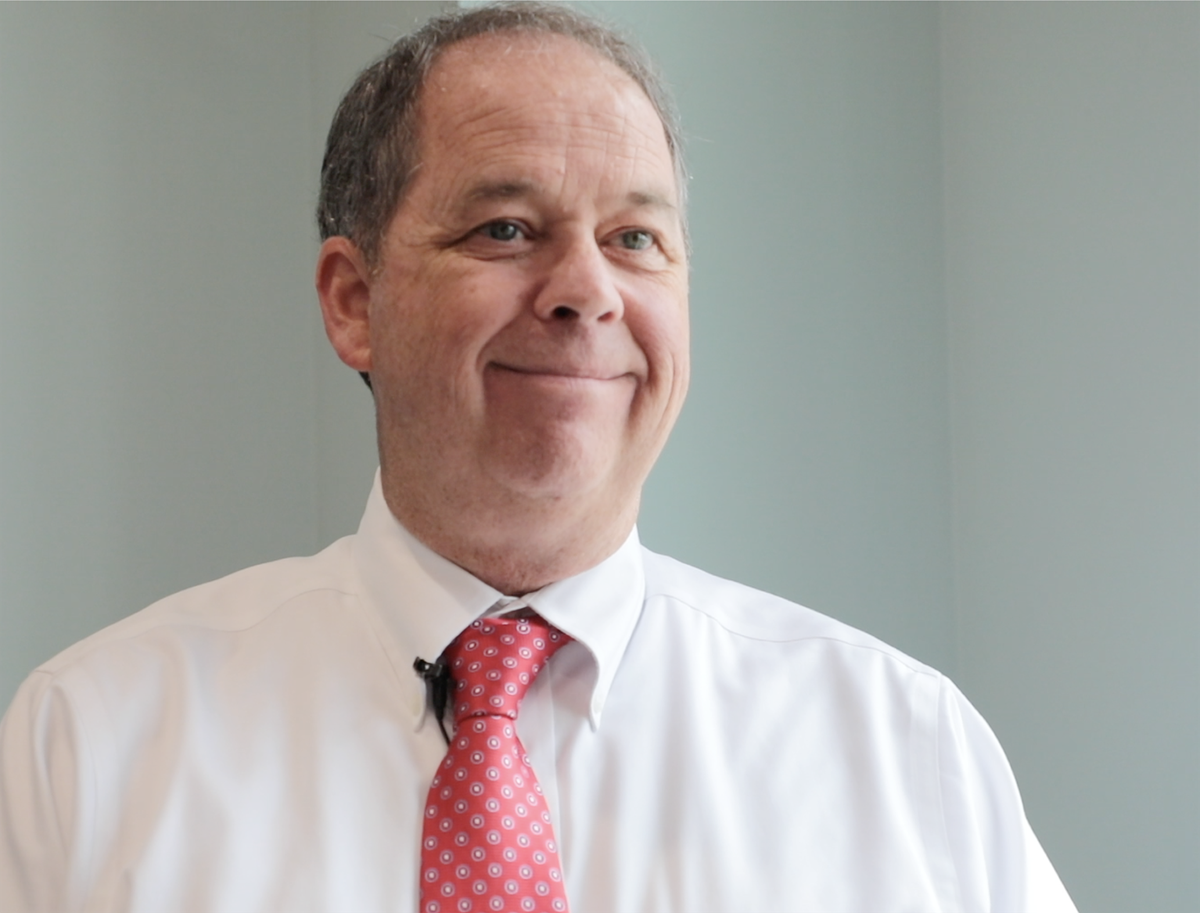
Rock Hill Mayor John Gettys.
Gettys credited the preparation and planning done by the city and developers beforehand for University Center being developed so smoothly. Several subsequent downtown Rock Hill projects would not have gotten off the ground so quickly had it not been for the success of University Center, he said.
“Before you really saw stuff come out of the ground at University Center, there’d been years of negotiations of running financials and finding partners to do things,” Gettys said.
“When you put that much work in the front end of big projects, once you get them rolling like University Center, it has an exponential effect. It builds a lot of momentum because you’ve done so much infrastructure already, you plan for the next buildings that come up in the system, and that uniformity of purpose and design just make things easier once you get going.”
The Power House — formerly the Rock Hill Printing and Finishing Company — has a food hall, apartments, a barbersrhop and a brewery. TRACY KIMBALL tkimball@heraldonline.com
Thriving community
Peart said the three things that makes The Power House work is teamwork, community and positivity — with teamwork being the biggest effort of the three.
It took major collaboration between the city, developers and the local community to elevate University Center to where it is now, and Peart knows that a similar mindset will help everyone moving forward.
“If we don’t work together as a team, it’s hard for us to work at all,” Peart said. “If we’re not working as a team with the city, the community leaders and stakeholders around us, then we’re making it difficult for all of us to win. I think teamwork is the No. 1 thing we need here. We can execute daily, but ... it’s going to take effort from not just one person but several people, several teams.”
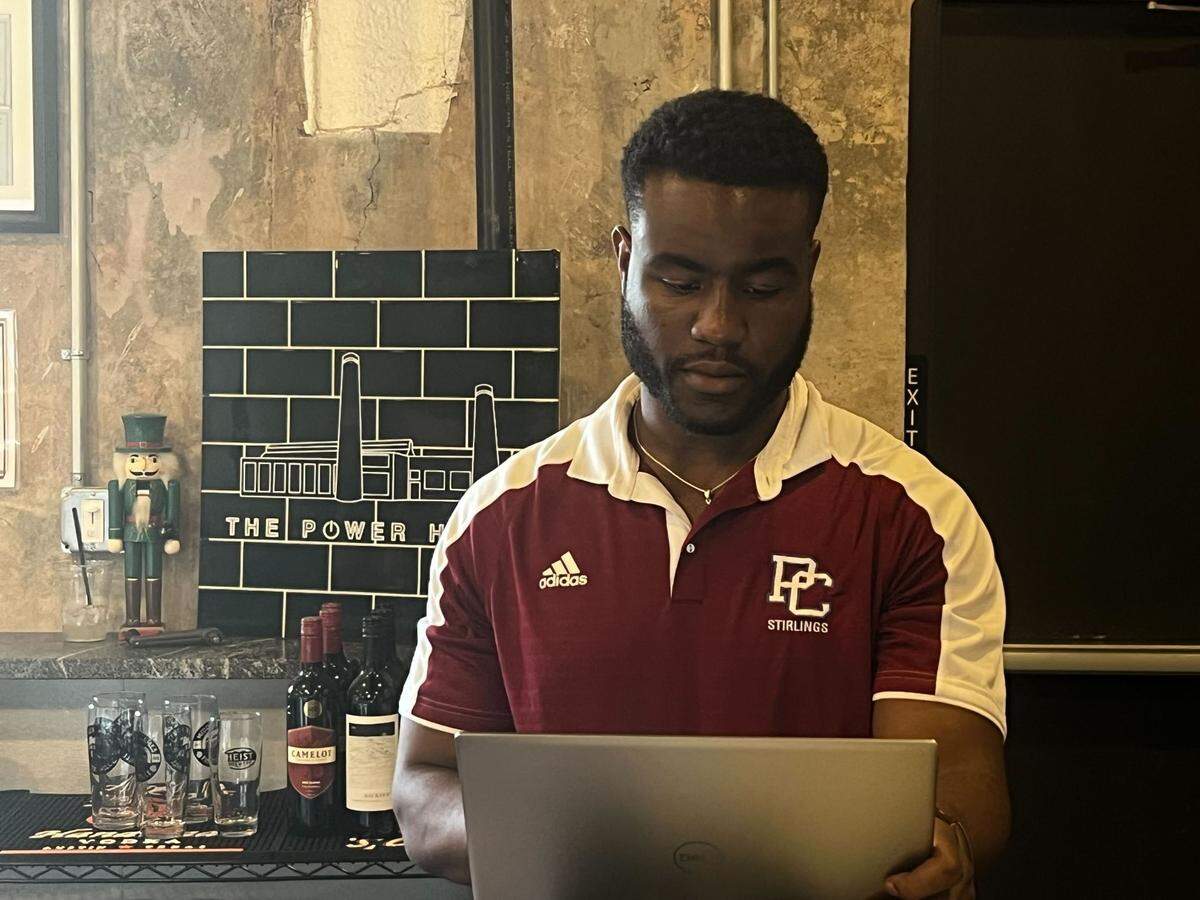
The Power House general manager Paul Pert believes collaboration is key. Michael Burgess
Uniquely Rock Hill:Uniquely Rock Hill is a Herald subscriber collection of moments, landmarks and personalities that define the uniqueness (and pride) of why we live in the Rock Hill region.