
Baby animals in your backyard? What to do if you see these critters near your home
Recently, in the heart of NoDa in her postage stamp sized backyard, CharlotteFive editor Melissa found a nest of babies tucked under a rosemary bush in a raised planter bed. The babies were so little she didn’t know what they were. She texted her mom “birds or bunnies?” and then called her to explain the nest. She’d initially thought maybe a bird had collected some of her dogs’ hair to make a nest, but then Mom said more likely bunnies, as birds wouldn’t nest close to the ground.
A video of the babies was then passed around to coworkers, and it was then we discovered that some of them need glasses. Kidding! But it was fun seeing what everyone thought. Kittens, skunks, even turtles were guessed. It was at that point we knew we better ask the expert, and Morgan Rafael of Carolina Wildlife Conservation Center knew right away: “Those are bunnies!” she told us. Mom was right, of course.
Melissa got to work situating patio chairs as a makeshift barrier from her dogs, then had a wonderful couple of weeks watching them grow before they left the nest.
It can be difficult to know what to do when finding baby wildlife in your backyard, whether you live in an urban area like NoDa or a rural spot with more land.
According to Rafael, this time of year, it’s pretty common to see bunnies along with baby raccoons, skunks and groundhogs, too.
“Many times, we get calls about babies found after a mom had been trapped and removed. Humane eviction techniques are important to utilize so the animals go unharmed and babies can remain with their parents,” she said. “Humane eviction methods involve making the area seem unsafe for the animal you want to get to move alone.”
So if you happen to come across any newborn animals around your home this season, here’s what to know about how to have them safely removed, either on your own or with the help of professionals:
Baby groundhogs
When to look for them in the Charlotte area: Groundhogs are usually born around Charlotte between late March and April.
Where their nests might be located: Dens are typically found in areas with well-drained soil, such as the edge of forests, fields and roads or gardens.
How long to expect them to stay in the nest: 6 weeks
“Baby groundhogs that are out of the den that are easy to approach and capture and always need help,” Rafael told CharlotteFive. “The most common reason we receive baby groundhogs are dog attacks. Most groundhogs are assumed to be nuisance, especially by gardeners, and following simple humane eviction techniques can help to reduce wildlife-human conflict.”
Baby rabbits
When to look for them in the Charlotte area: Bunnies are typically born between February and October around Charlotte.
Where their nests might be located: Bunny nests are usually found in shallow parts of the ground covered by grass or pine needles, so they’re commonly set up in flower beds, garden beds, pine beds, up against homes or in the middle of grassy areas covered with rabbit fur.
How long to expect them to stay in the nest: 28 days
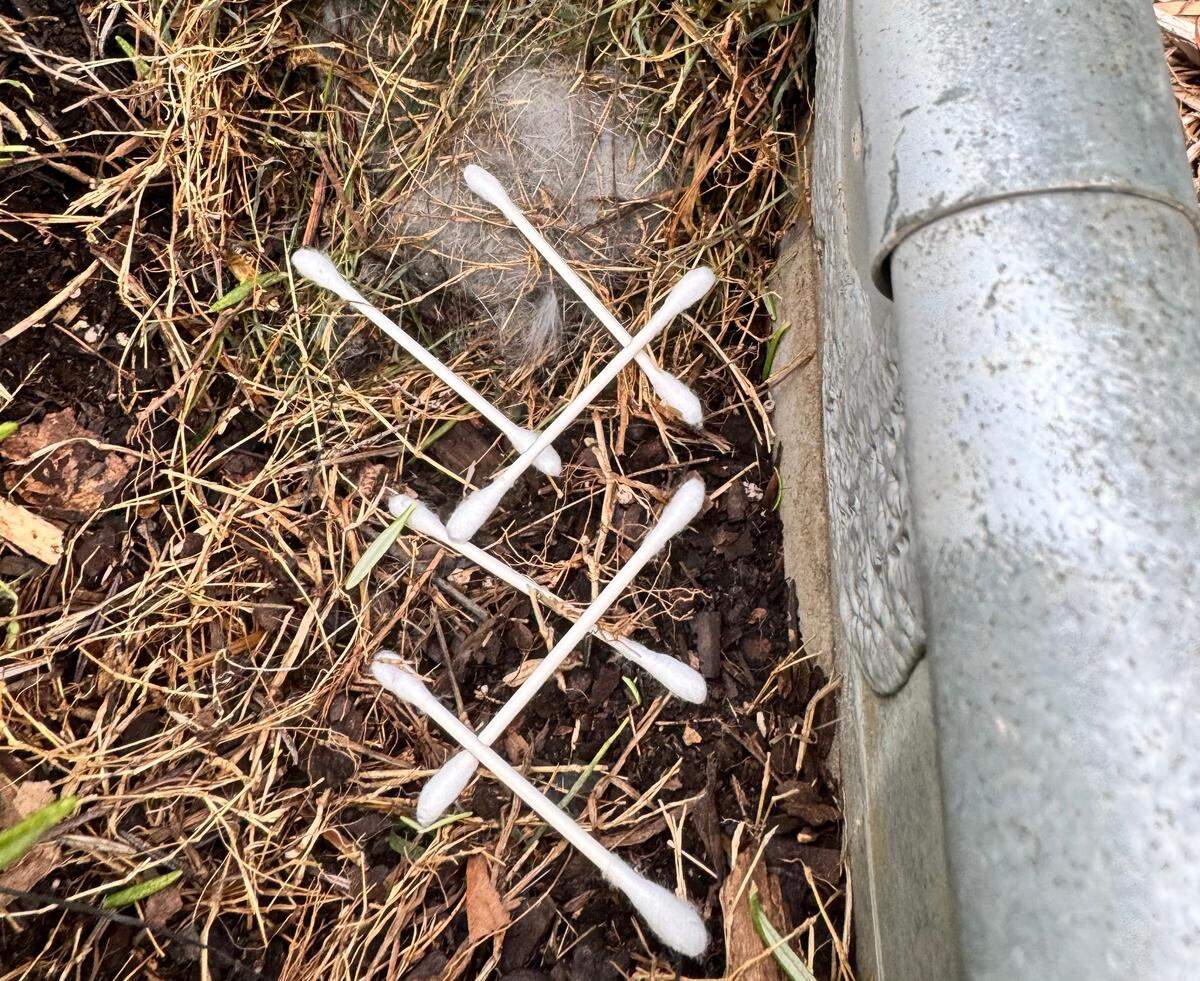
“If you are concerned that something has happened to the mom and you would like to see if she is coming back, you can place thick string, dental floss, shoelaces or thin sticks in a tic-tac-toe pattern across the nest,” Rafael explained. “Check the nest after dawn or dusk to see if the strings have been disturbed to tell if mom is coming back.”
Baby raccoons
When to look for them in the Charlotte area: Raccoons are usually born beginning April and May.
Where their nests might be located: While raccoon dens can be found in holes of trees, some mother racoons set up their dens in dark and quiet home attics, according to experts.
How long to expect them to stay in the nest: 2-3 months
“There are many ways to humanely remove raccoons,” Rafael told CharlotteFive. “If the mother [raccoon] is in your attic or home, you can close up the hole and put the babies outside in a box for her to retrieve. If you have found a baby on the ground and it is not injured or covered in flies, keep an eye on it for up to 48 hours depending on the overall health and condition of the babies.”
“After the first 24 hours of attempting to reunite babies with their mom, the finder can send us photos to our hotline (980-389-1133) and we can determine if the babies can attempt to be reunited for another 24 hours. If the babies are not retrieved by mom by 48 hours, they will need to go to a licensed raccoon rehabber. “
Baby skunks
When to look for them in the Charlotte area: Skunks are born between late April and May around Charlotte.
Where their nests might be located: Once born, skunks usually burrow in holes, old drain pipes or under sheds or decks.
How long to expect them to stay in the nest: 8 weeks
“We have learned that once they are seen without Mom, they are in bad condition and need help as soon as possible,” Rafael said. “To get them in a box, approach extremely slowly. Skunks have poor eyesight so being slow is your friend. If they raise their tail, freeze. Then approach closer when they calm. Use thick towels and gloves to gently scoop them into a carrier or box, you can tuck their tails under to ensure they do not ‘poof.’”
Resources to get help removing wildlife
What about other wildlife babies? According to the North Carolina Wildlife Resources Commission, if you find any baby animal by itself, you should wait to see if it is truly alone and in need of help. If after 24 hours, you notice it has not moved and there’s no signs its mother is coming back, you can reach out to a licensed wildlife rehabilitator for assistance.
Animals will move on and disperse once they are grown. Due to development, wildlife is running out of places to go and are forced to live closely with their human neighbors,” Rafael explained.
“If you absolutely do not want the animals around, you can use multiple tools to get them to move on their own. Flashlights, radios, helium balloons, ‘repel-all’ spray, cayenne pepper can all be used to naturally remove the animals so they move to another location with their family.”
If you need help with any animals you come across near your home this season, you can call the Carolina Wildlife Conservation Center at 980-389-1133 or the North Carolina Wildlife Resources Commission’s NC Wildlife Helpline at 866-318-2401.
This story was originally published May 29, 2024 at 5:00 AM.

.jpg)