‘Roofman’ is the most authentically Charlotte movie ever made
READ MORE
Our 2025 Fall Arts Guide
From family-friendly shows to exclusive exhibitions, Charlotte is packed with arts events throughout autumn. Use our Observer annual guide for all things arts and culture season from September to December 2025.
Expand All
As Jeffrey Manchester finishes a phone call in the beginning of “Roofman,” he puts the device back on the line and turns to face what’s behind him: a clear view of the Charlotte skyline.
It’s not the opening of “Manhattan” nor is it the rush up the art museum steps in “Rocky,” but who cares? It centers a key piece to this story.
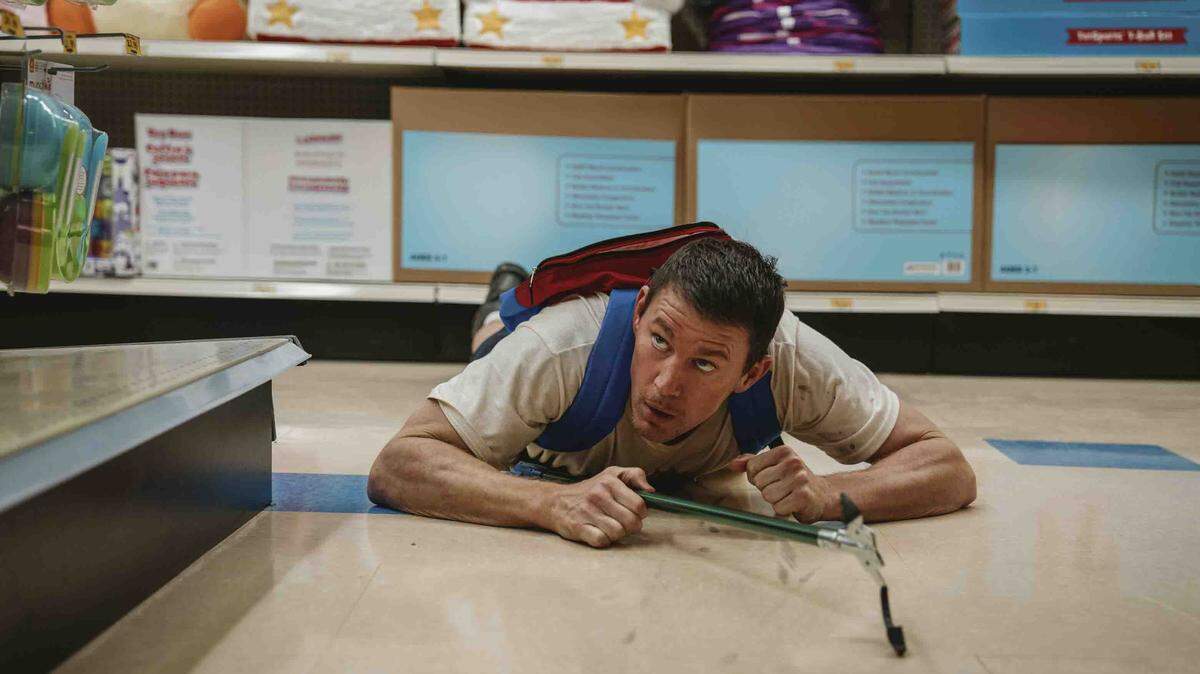
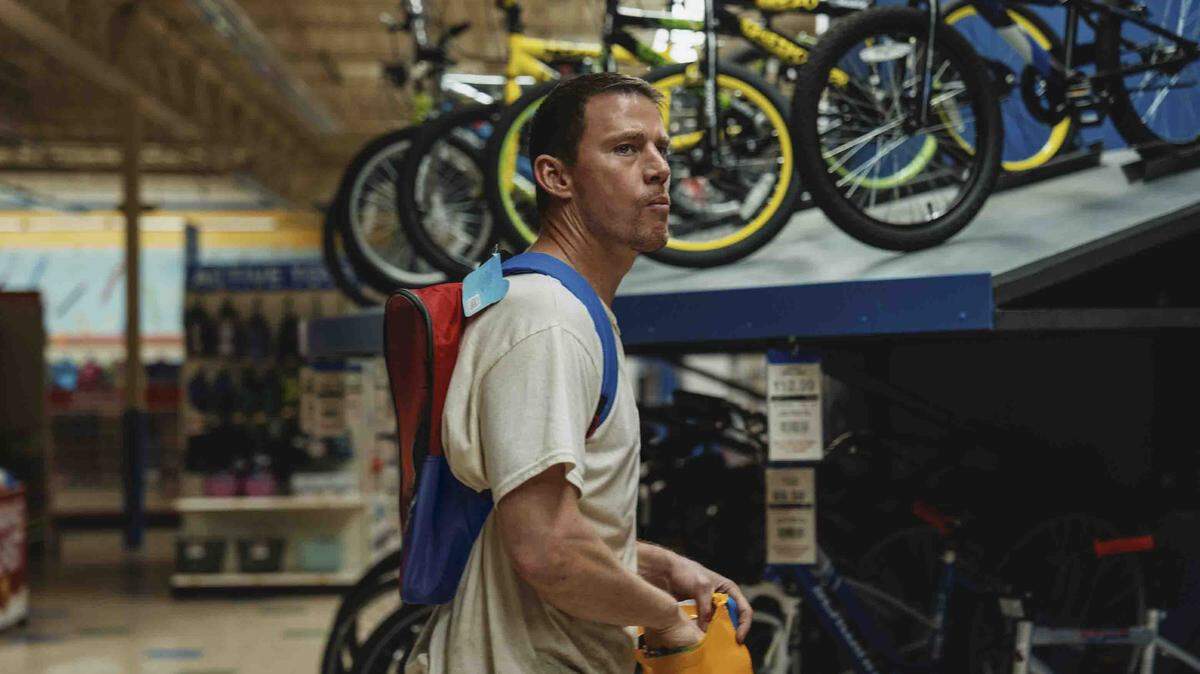
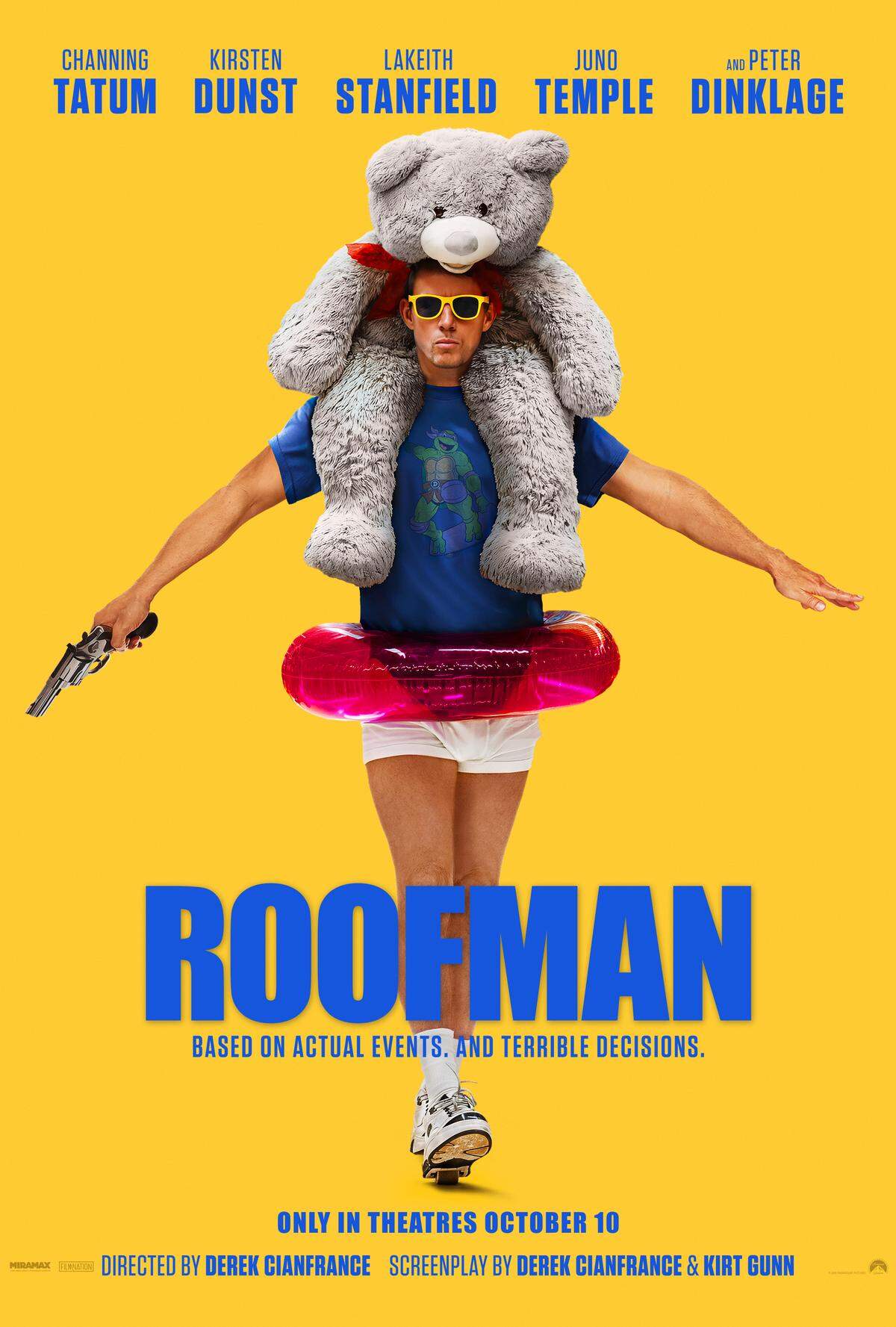
The film, which stars Channing Tatum and Kirsten Dunst, is based on a true story. Jeffrey Manchester was known colloquially as the “Roofman” or “Rooftop Robber” for a series of robberies in the Charlotte region in the late ‘90s in which he would enter the building he was robbing from the roof.
“I think if I would have shot this movie in any other place, the movie wouldn’t have the heart,” “Roofman” writer and director Derek Cianfrance told the Observer at the 2025 Toronto International Film Festival following its world premiere on Saturday, Sept. 6.
“Charlotte brings the heart to this movie.”
Ghost hunting in Charlotte
It started with a hunt. No, not the one in the story.
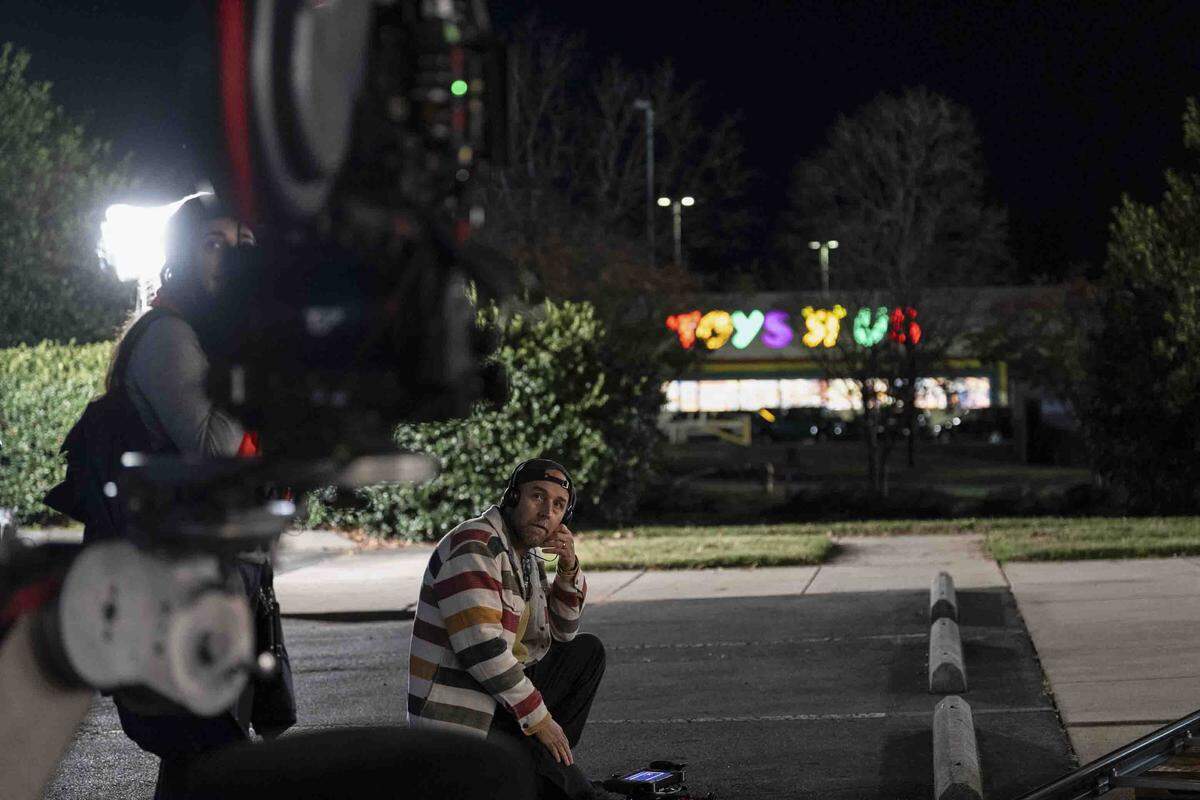
“One of the reasons we wanted to shoot the movie down in Charlotte was to go hunt the ghosts,” Cianfrance said.
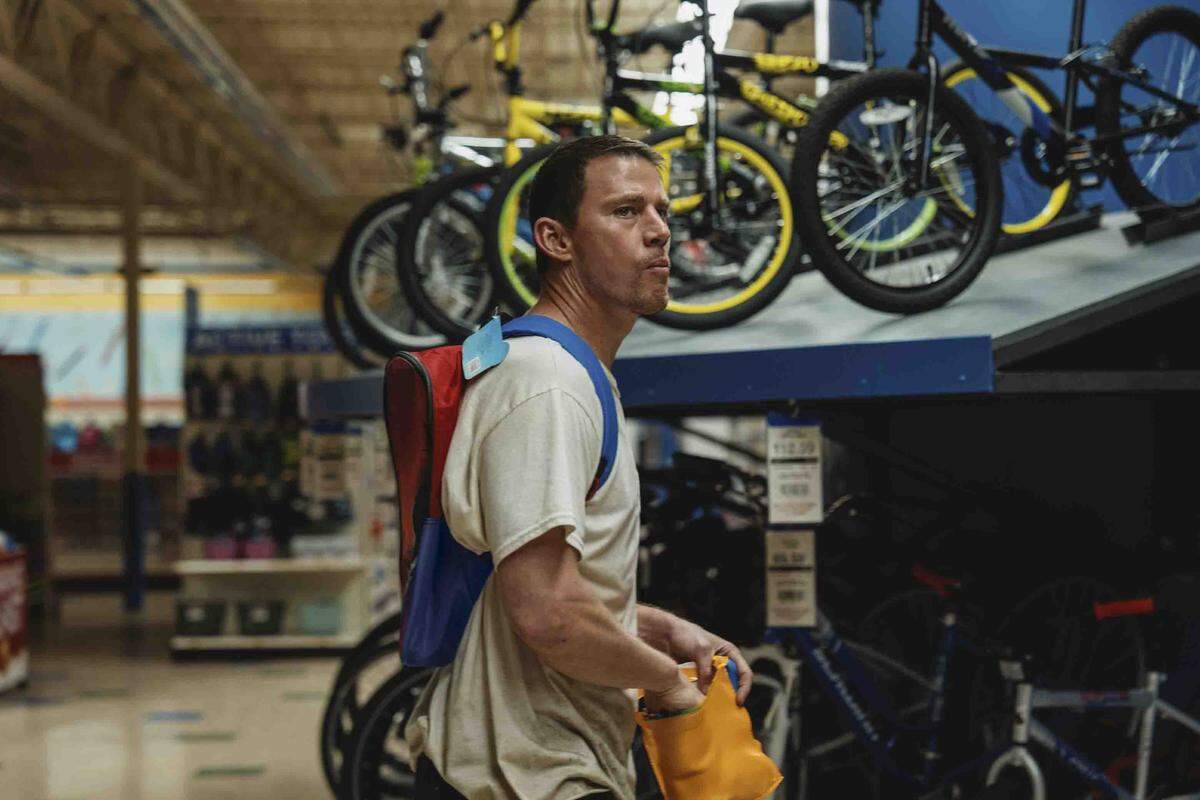
“Kirt (Gunn, his co-writer) and I both kind of felt like investigators. For me, I was looking to make a movie that maybe wasn’t as unrelentingly dark and bleak as some of my other films. And I heard this story about a guy who lived in a toy store in Charlotte, and I was like, ‘Well, that sounds like it could be kind of fun.’ ”

For those unfamiliar, Jeffrey Manchester was the man in the toy store. In the late 1990s, Manchester began to rob McDonald’s locations in and around Gaston County. The robberies gained recognition in the region as the media followed the “Rooftop Robber” or “Roofman.”
After two years, he was apprehended and sent to Brown Creek Correctional Institute in Polkton., where he was set to stay for four years. He didn’t make it the full sentence, escaping using a concealed undercarriage on a delivery truck and making it out of the prison. By this point, it’s June 2004 and he made his way to Charlotte.
“I think when we started out, it’s funny, Derek (Cianfrance) and I had very different perceptions of who the guy we would find was. We had talked to him a few times in prison, and I was sort of tending towards seeing the dark side of him, and Derek was tending towards seeing the optimistic side,” said “Roofman” co-writer Kirt Gunn.
“I think the turning point for us was when we interviewed Leigh, who is his romantic interest, and Ron, who is the pastor of the church (Manchester frequented). And what we expected to hear was that they felt betrayed, and it ruined their life, and it was a tragic event.
“We actually heard the opposite.”
The nice guy
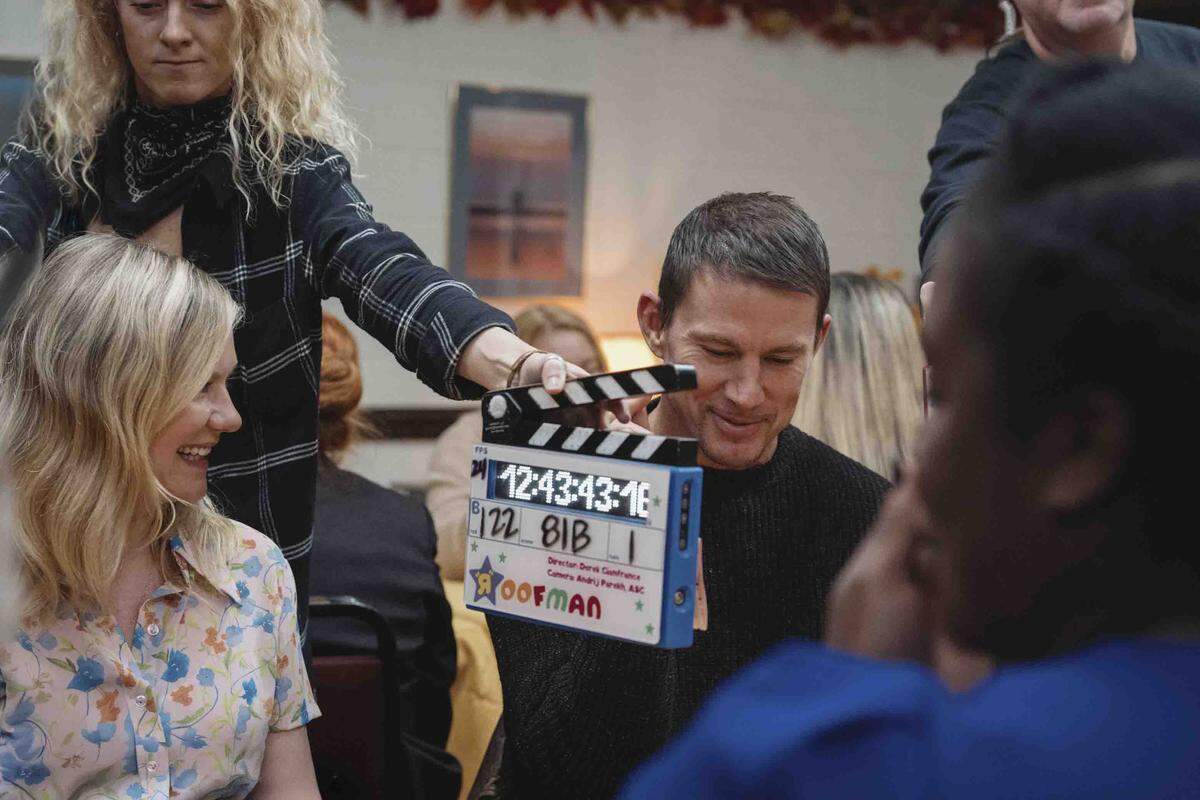
Even with his criminal history, Manchester was never viewed as particularly violent. Both Cianfrance and Gunn described him as unique, with Gunn adding that having a conversation with the Roofman includes jokes and persistent optimism.
“Whether he is a master manipulator and getting you to believe in his world, or he’s just so optimistic that it’s contagious, there’s just something about him,” Gunn said. “He’s overcoming a really difficult circumstance and he’s living in a place that’s pretty dire, and he believes he’s going to get out. He believes in the next chapter in his life.”
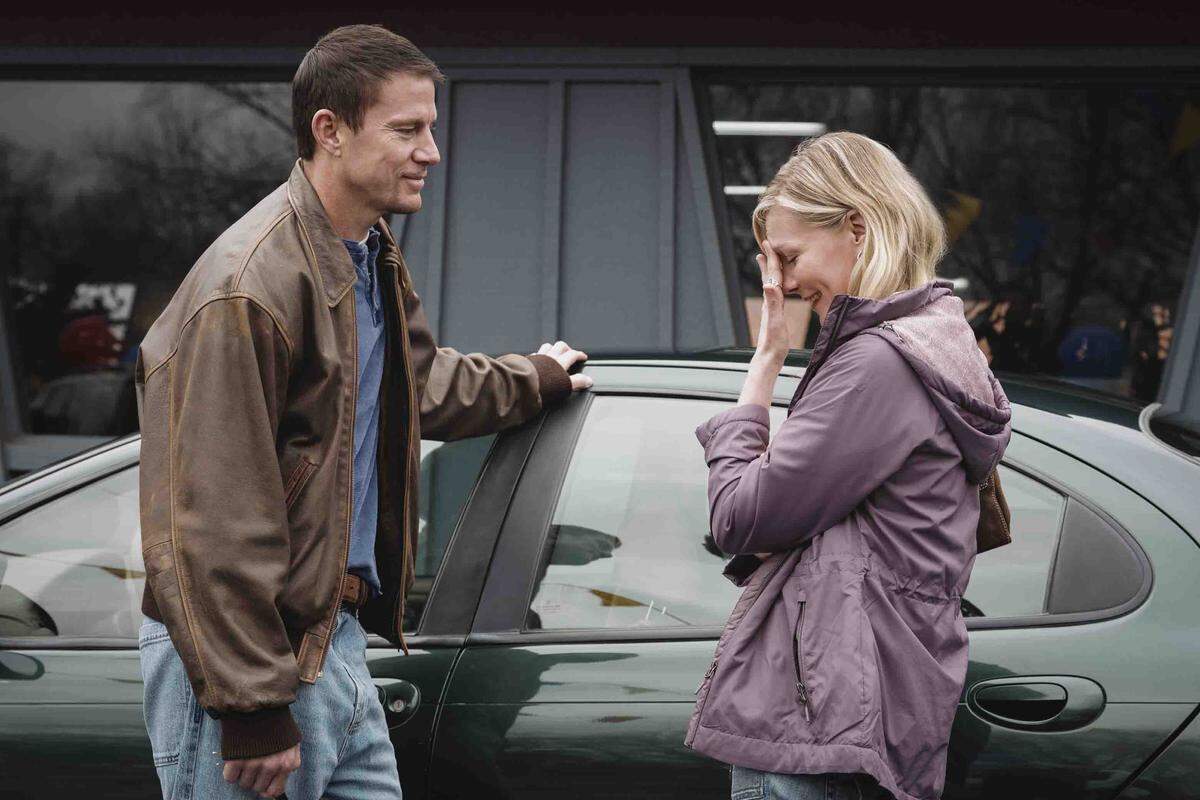
“He takes ownership of (the crimes),” Cianfrance added. “He has this beautiful, kind of poetic take on things that I think we were both captivated with. I think in making the movie, it was just such an interesting person or character to write because he’s so full of contradictions.”
It’s tough to not enjoy the movie version of Manchester because he’s played by the affable Channing Tatum. It’s one of Tatum’s best performances as he exudes an almost childlike wonder despite committing robberies.
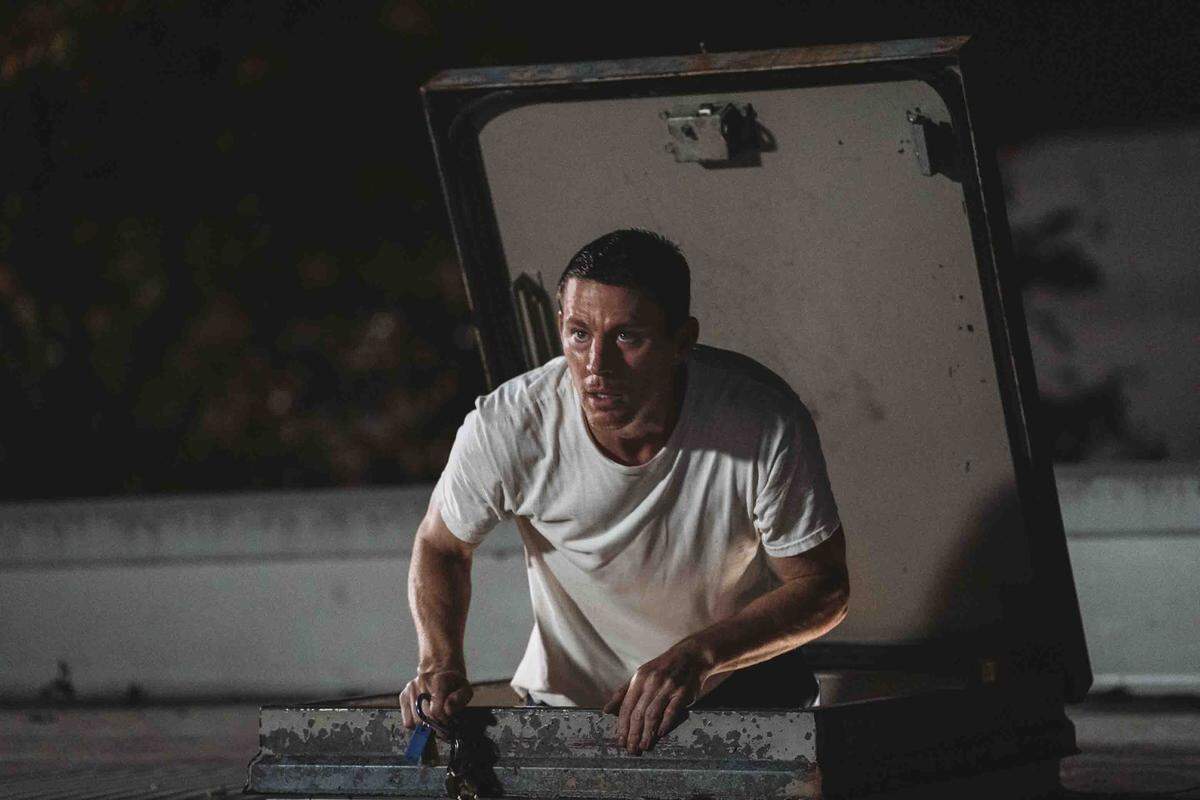
Early in the movie, Manchester has broken through the roof of a McDonald’s (in reality, it happened in Belmont) and has shocked the staff as they entered for the morning.
But Manchester isn’t Neil McCauley - Robert DeNiro’s character from “Heat.” He ushers the staff into the freezer, only getting upset when the manager didn’t have a coat with him and had to hand over his own (also, a true story).
Tatum is anchored by a subtle, very unassuming performance by Kirsten Dunst as Leigh Wainscott. In reality, Wainscott dated the real Manchester but under his pseudonym “John Zoran.” Her response to that period of her life is also what shifted the movie.

“We didn’t know (what the movie’s tone would be) when we were going to start writing it. Then we talked to Leigh,” Cianfrance said.
“For both those characters in this movie, Jeff and Leigh, I think their main priority is their children. For me and Kirt, we agree, we live our lives that way too. I think for Kirsten and Channing, they live their lives that way. And so we wanted to make a movie about people that are making these choices, but at the center of that was family.”
It was also about their home.
The most Charlotte movie ever
Cianfrance said early in the production of “Roofman” that he was pushed to film somewhere other than Charlotte. While the city has been home to various productions such as the “Hunger Games” and “Are You There God, It’s Me Margaret?” it hasn’t had many opportunities to shine as itself.
“I had so many producers tell me you should shoot it in South Africa, you’ll get more of a tax credit,” he said. But for both he and Gunn, the location had to be Charlotte.
“I think going out to Charlotte, being around all of the people, being in the world … It was a battle to shoot in Charlotte because it cost a lot more money to shoot in the states,” Cianfrance added. “I was like, ‘No, we have to want to go to Charlotte because that’s where the people are, and that’s where the places are.’ ”
Once they were there, people began to emerge from the story.
McDonald’s workers from Manchester’s robberies, the dentist whose office he had torched, police officers from the time. “For each one of these people, I just sat down, we listened to their story — tell us what you remember of Jeff, and we just tried to stay open to whatever they told us,” Cianfrance said.
“And one thing I offered every one of those people at the end of my meetings with them was: Do you want to be in the movie? And most of them said yes.”
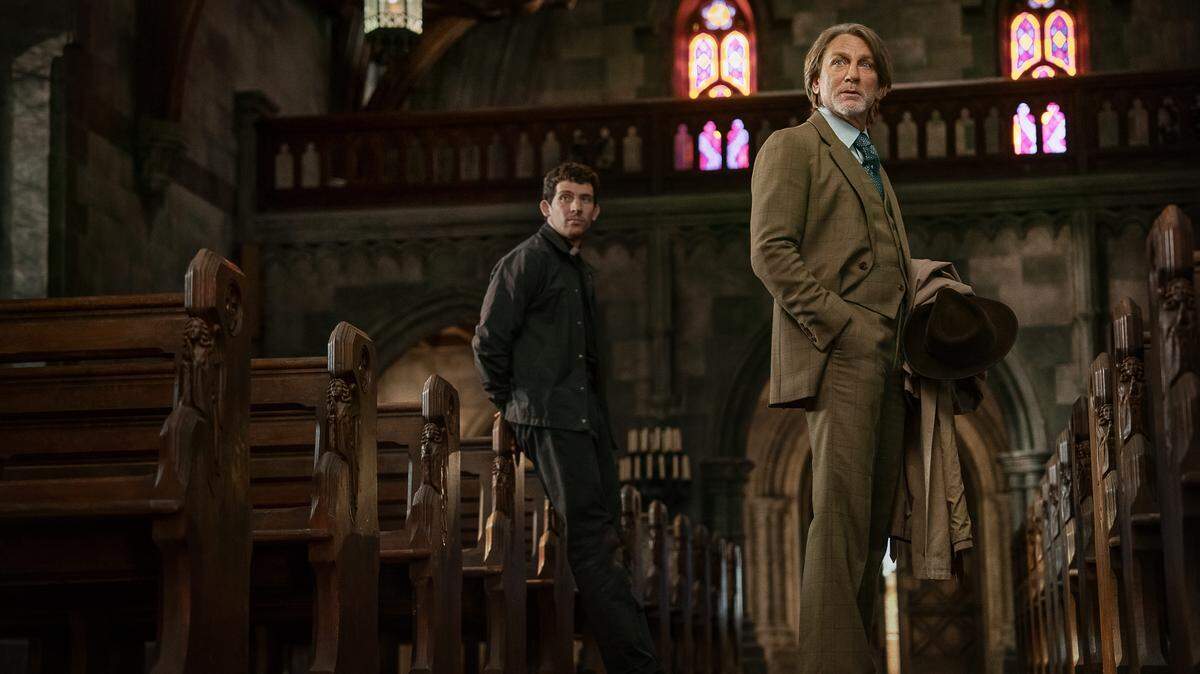
The prison driver whose truck Manchester used to escape prison? He’s the same guy in the movie. The CMPD sergeant charged with apprehending him? Same one. Even the building for Crossroad Presbyterian Church that he used to frequent is the actual building.
“(We) just want to make it authentic because this is a crazy story,” Cianfrance said. “If I didn’t have those real people in the real places to kind of ground it into reality, I don’t know what I would latch on to. We thought some of the things Jeff was telling us were tall tales.”
That meant going to these sources and corroborating the stories.
Charles, the prison truck driver, helped them recreate how the escape actually happened. Retired CMPD Sgt. Katherine Scheimreif recounted a number of items that police found when they discovered Manchester’s spot in the abandoned Circuit City and how they eventually captured him. And they had her play the sergeant in the movie.
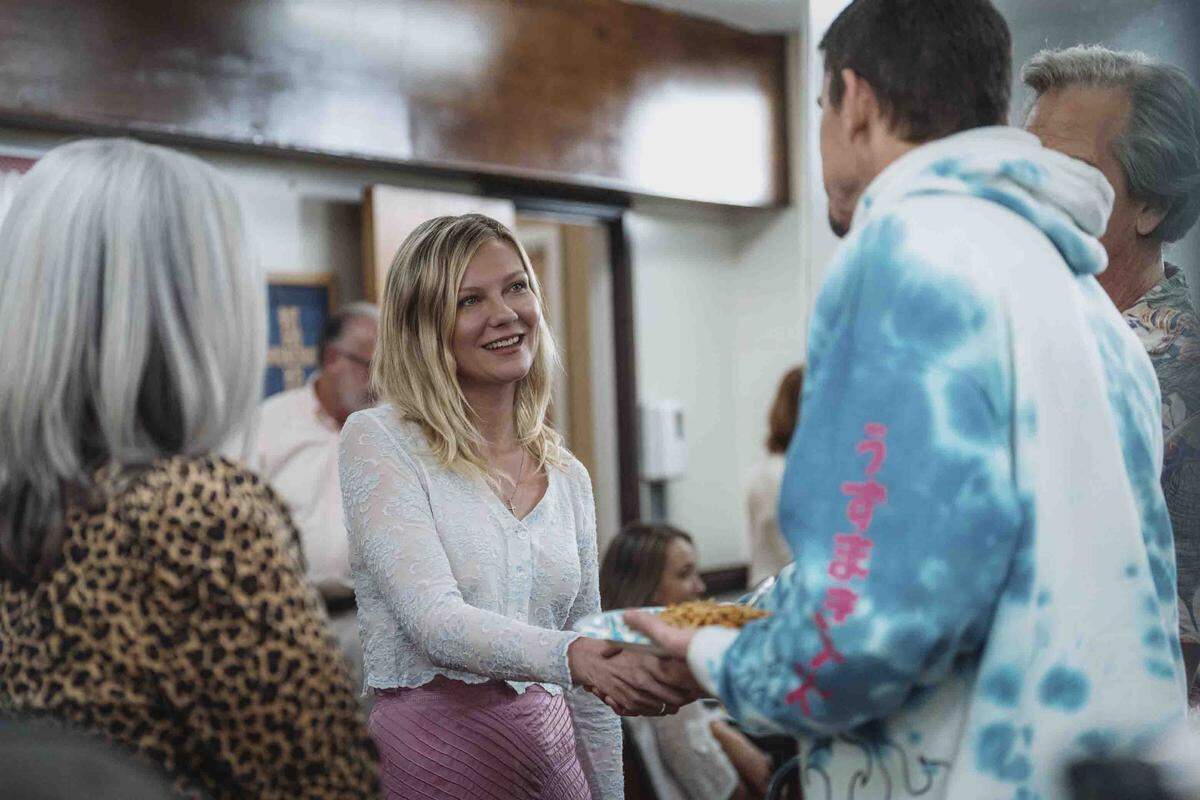
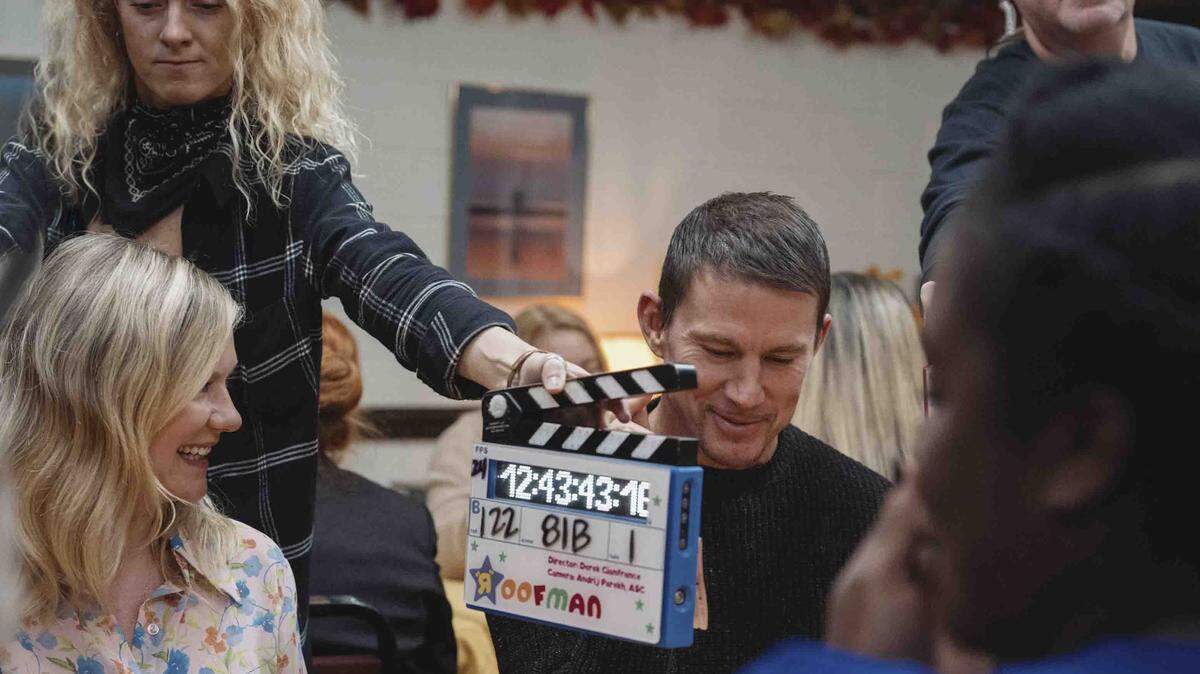
“When Channing Tatum and Uzo (Aduba) and Kirsten Dunst are sitting at this Red Lobster table, everyone else at that table are all locals from Charlotte,” Cianfrance added. “Most of them are people that have some kind of interaction or relationship to the story of Jeff, and it creates like a truth serum for the Hollywood actors that are there.”
“There’s some universality to what it means to be Southern, good and bad, but there’s something really specific about what Charlotte is,” Gunn said.
“Charlotte’s a bank town. Charlotte’s got big, beautiful oak trees. Charlotte has this old South architecture mixed in with the modernity and all these things that are going on,” he said. “There’s sort of the part of Charlotte that they want you to see and they curate. So there’s the downtown, and there’s the beauty and the stadiums and all those things. But I think the texture on the periphery of the town is kind of magical, too.
“I think that sense of nostalgia for some of these areas that were now in decay, are areas that were thriving at a different time. So it was very interesting to see the texture on the other side of the town too.”
Cianfrance and Gunn said they loved their time there, with the director adding that he frequented Lang Van Vietnamese restaurant while they filmed the movie. “It’s a special place. I thought when they said see you tomorrow, that it was because I was coming so often, but they just say, see you every time to everyone.”
They hope the city responds to the movie as well when it’s released in theaters Oct. 10.
“To bring a movie down to Charlotte, I felt like the community completely opened their arms to us,” Cianfrance said. “Since I was 6 years old, I’ve always made home movies. I think all my movies are home movies. They’re about home.
“And I think this movie is really about a character trying to find a home, and it only made sense to be in a place that just felt like home.”
More arts coverage
Want to see more stories like this? Sign up here for our free, award-winning “Inside Charlotte Arts” newsletter: charlotteobserver.com/newsletters. And you can join our Facebook group, “Inside Charlotte Arts,” by going here: facebook.com/groups/insidecharlottearts.
This story was originally published September 9, 2025 at 6:00 AM.